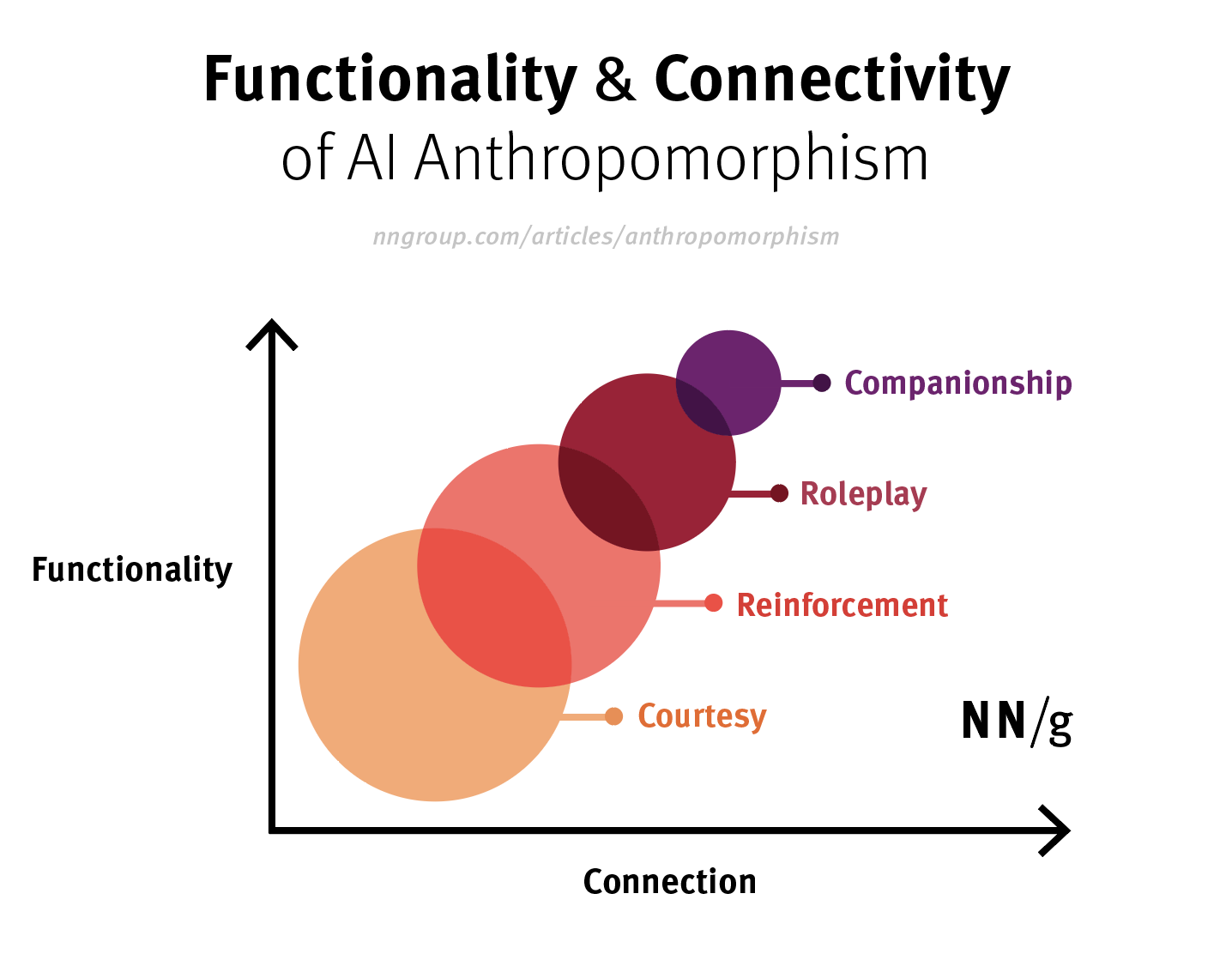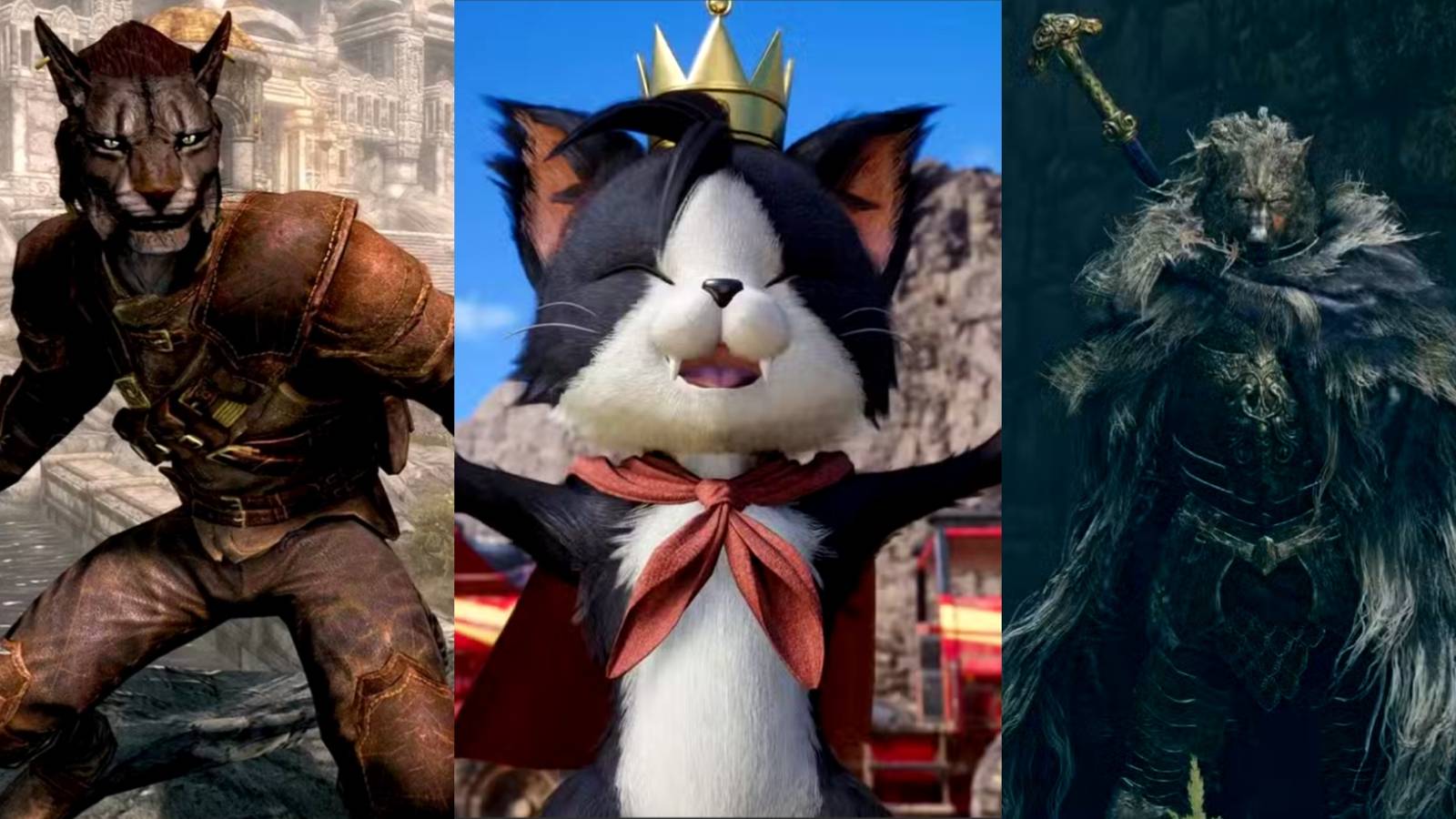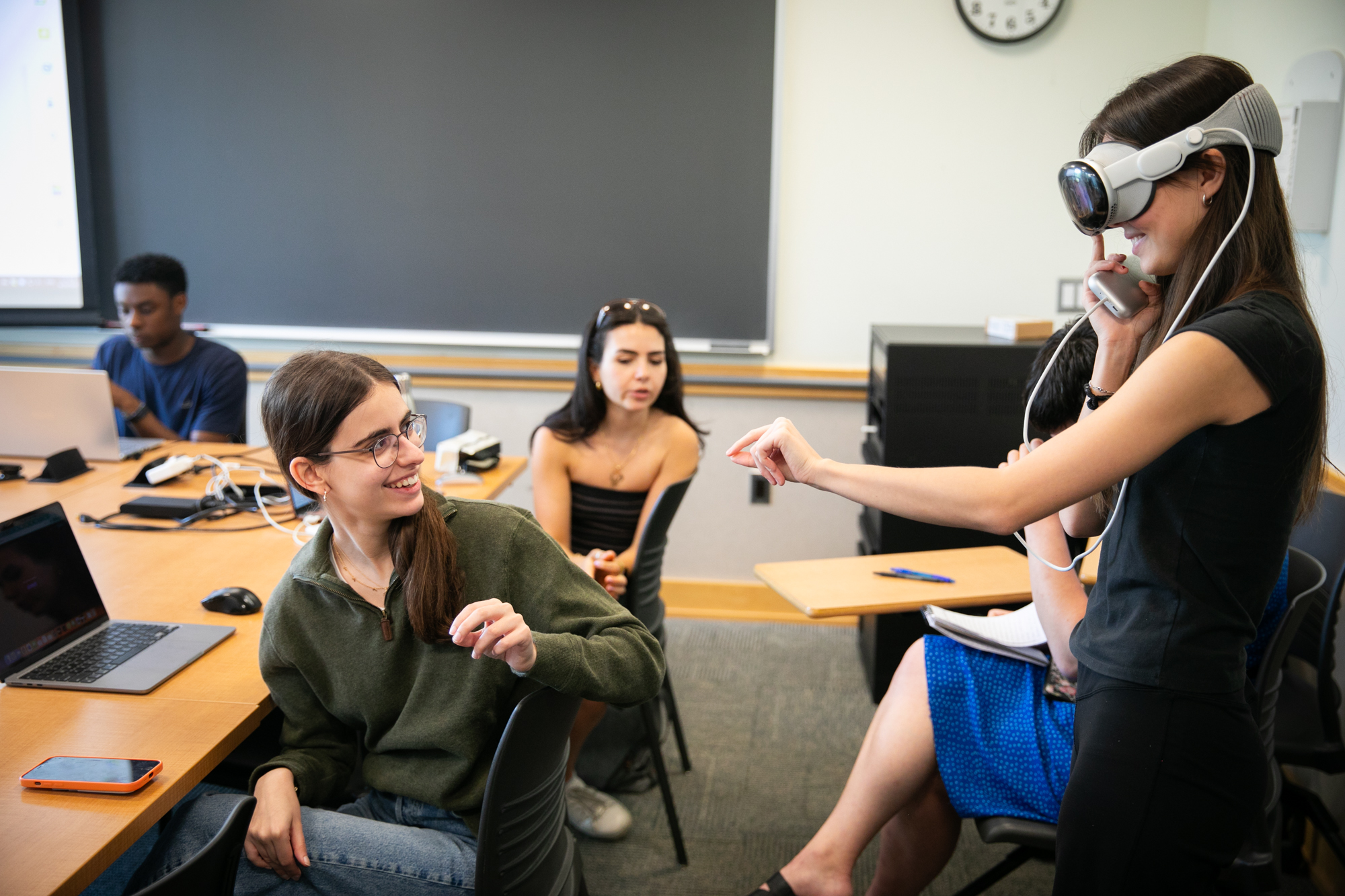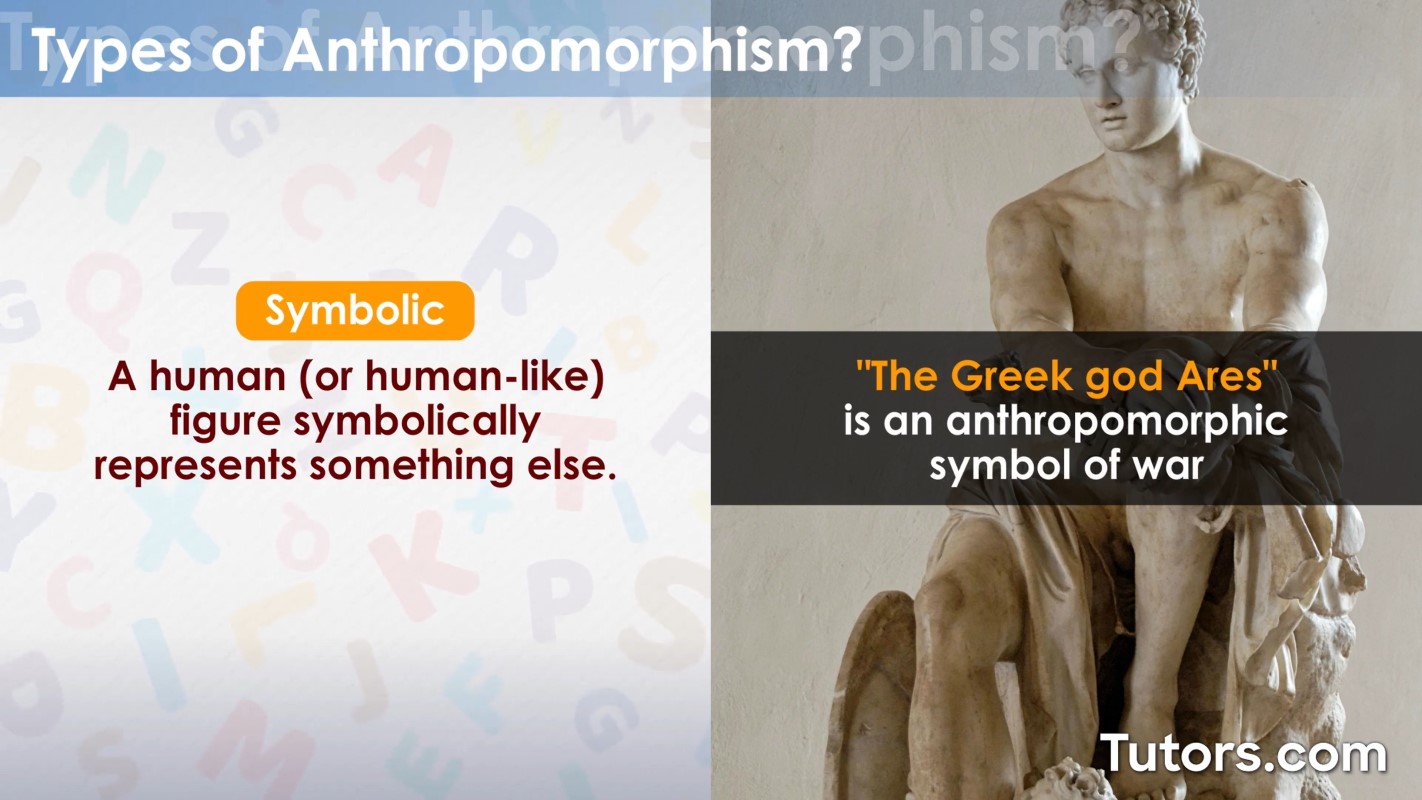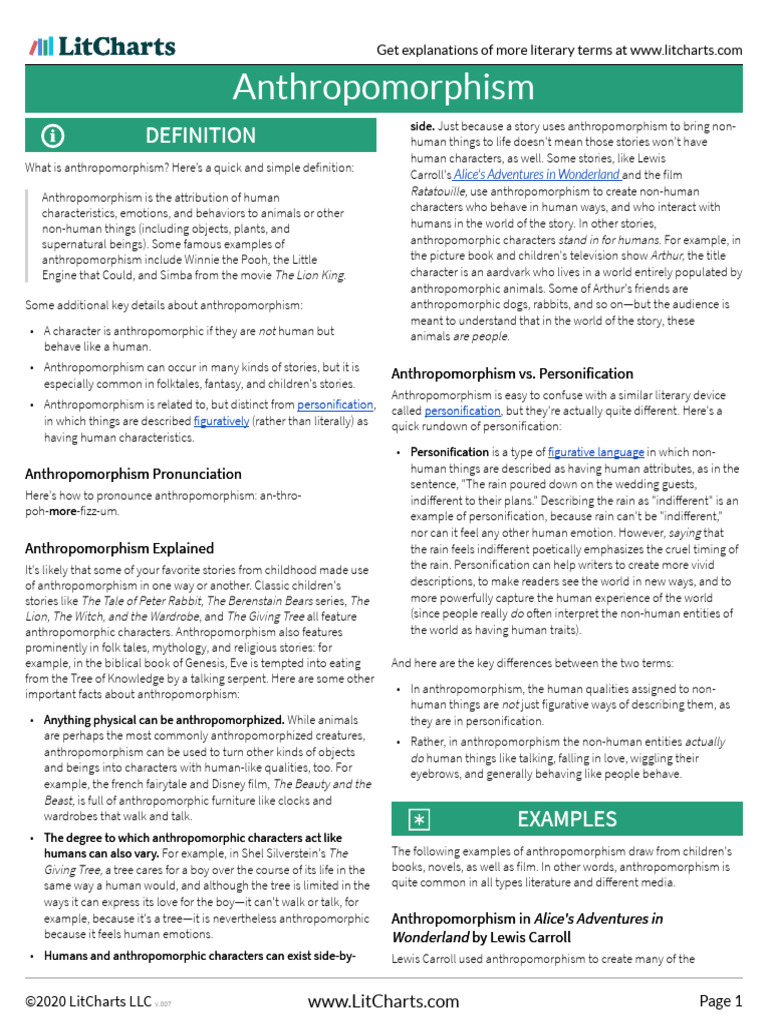
In the liminal space where pixels meet perception, a quiet revolution is unfolding—not in the realm of hardware, but in the alchemy of design. Anthropomorphism, the ancient art of imbuing the inanimate with human traits, has found a new canvas in augmented and virtual reality. Here, digital entities don’t just mimic humanity; they breathe, they emote, they *feel*—transforming sterile environments into living ecosystems of interaction. This metamorphosis isn’t merely cosmetic; it’s ontological. When a virtual hand reaches out to shake yours, or an AI guide’s voice carries the warmth of a late-night confidant, the boundary between simulation and reality blurs into irrelevance. The question is no longer whether these worlds feel real, but how deeply they invite us to forget they’re not.
The Uncanny Valley Revisited: When Machines Wear Faces
For decades, the Uncanny Valley loomed like a specter over digital character design—a chasm where near-perfect human likeness curdled into revulsion. Yet in AR/VR, the valley has become a bridge. The medium’s immersive nature demands engagement, not just observation. A cartoonish avatar in VR can feel more present than a photorealistic NPC in a flat screen game, because presence is curated through interaction, not fidelity. The key lies in *behavioral anthropomorphism*: the subtle cues that signal intent, emotion, and agency. A virtual character’s gaze that lingers a second too long, a voice that rises in pitch during excitement—these are the digital equivalents of a raised eyebrow or a clenched fist. They don’t need to be perfect; they need to be *resonant*.
Consider the phenomenon of “digital touch” in VR. When a user’s avatar gently pats another’s shoulder, the haptic feedback—even if rudimentary—triggers a somatic memory of human contact. The brain, starved for multisensory confirmation, seizes on these fragments like a drowning man on driftwood. This is anthropomorphism as a survival mechanism: our minds are wired to anthropomorphize because it once meant safety in numbers. In VR, that instinct is weaponized—not to deceive, but to *connect*.
The Puppeteer’s Paradox: Agency in a World of Strings
Anthropomorphism in AR/VR is a double-edged scalpel. On one side, it grants users the illusion of control; on the other, it binds them to the puppet strings of design. When an AR interface overlays a friendly face onto a thermostat, it doesn’t just inform—it *seduces*. The thermostat ceases to be a cold appliance and becomes a co-conspirator in thermal comfort. This is the puppeteer’s paradox: the more agency we feel, the more we’re subtly directed. The genius of anthropomorphic design lies in its ability to make users believe they’re the ones pulling the strings, when in reality, they’re dancing to a choreography written in code.
Take navigation systems that adopt conversational personas. A GPS voice that says, “I think you’ll love this route,” doesn’t just provide directions—it *reassures*. It transforms a utilitarian tool into a companion, reducing the cognitive load of decision-making. Yet this companionship is a curated illusion. The system’s “thoughts” are algorithms, its “preferences” are data points. The anthropomorphic layer is the sugar that helps the medicine go down, making the inevitable moments of failure—when the GPS steers you into a lake—feel like betrayal rather than malfunction. The emotional stakes rise in tandem with the perceived agency.
Embodied Presence: When Avatars Wear Skin (and Souls)
The most profound anthropomorphism occurs when users don’t just interact with digital entities—they *become* them. Full-body tracking in VR doesn’t just map movement; it maps *identity*. When your avatar’s facial expressions mirror your own in real time, the boundary between self and simulation dissolves. This is the frontier of *embodied cognition*: the theory that our thoughts are shaped by our physical forms. In VR, your digital body isn’t a costume; it’s a crucible where new modes of being are forged.
Consider the phenomenon of “body ownership illusions” in VR. Subjects who embody a virtual arm that moves independently of their real arm eventually perceive it as their own. Extend this to a full avatar, and the implications are staggering. A user with a different skin tone, gender, or age can temporarily inhabit a form that challenges their preconceptions. Anthropomorphism here isn’t about making machines human—it’s about making humans *pliable*. The avatar becomes a vessel for empathy, a sandbox for identity experimentation. In this light, VR isn’t just a mirror; it’s a metamorphosis chamber.
Yet this power is a double-edged blade. The same mechanisms that allow users to explore new identities can also reinforce stereotypes. An avatar designed with exaggerated features might feel “cute,” but it risks reducing complex identities to caricature. The challenge for designers is to wield anthropomorphism with the precision of a neurosurgeon—enhancing presence without amputating authenticity.

The Aesthetic of the Sublime: Beauty in the Becoming
Anthropomorphism in AR/VR isn’t just functional; it’s *aesthetic*. The medium’s unique appeal lies in its ability to evoke the sublime—the feeling of awe mixed with terror that arises when confronting something vast and incomprehensible. When a virtual entity gazes back at you with eyes that seem to hold entire galaxies, the experience transcends entertainment. It becomes a meditation on perception itself.
This aesthetic manifests in two forms: the *uncanny sublime* and the *familiar sublime*. The uncanny sublime arises when digital entities approach but never quite reach human perfection, creating a haunting beauty in the gap. Think of a virtual child’s face that’s almost—but not quite—real, its expressions flickering like a candle in the wind. The familiar sublime, by contrast, emerges when anthropomorphism strips away the artificial, revealing the raw humanity beneath. A voice assistant that stumbles over words, or an avatar that moves with the clumsy grace of a marionette, can feel more real than their polished counterparts because they echo our own imperfections.
The most compelling AR/VR experiences don’t just mimic humanity—they *reveal* it. They take the fragmented, glitchy nature of digital interaction and reframe it as a new kind of authenticity. In a world where deepfakes and AI-generated content proliferate, anthropomorphism becomes a rebellion against the tyranny of perfection. It’s a reminder that reality isn’t about flawlessness; it’s about *presence*.
Ethics in the Mirror: The Responsibility of Giving Faces to Code
With great anthropomorphism comes great responsibility. When a virtual entity smiles at you, it’s not just a trick of the light—it’s a contract. The more human a digital entity appears, the more it demands ethical consideration. Designers must grapple with questions that blur the line between technology and morality: Can an AI therapist be held accountable for its advice? Should a virtual companion be programmed to lie to spare a user’s feelings? What happens when an anthropomorphic NPC in a game becomes so beloved that players mourn its “death”?
The ethical stakes are highest in social VR, where users interact with digital entities that feel indistinguishable from real people. The phenomenon of “digital grief” has already been documented—users mourning the loss of virtual pets or companions as if they were flesh-and-blood. This isn’t mere sentimentality; it’s evidence that anthropomorphism doesn’t just simulate emotion—it *evokes* it. The challenge for developers is to balance immersion with integrity, ensuring that the emotional resonance of their creations doesn’t come at the cost of exploitation or manipulation.
One emerging solution is “ethical anthropomorphism”—designing digital entities with clear boundaries and limitations. A virtual friend might offer comfort, but it won’t pretend to be a therapist. A game NPC might express joy, but it won’t feign suffering. These constraints aren’t weaknesses; they’re the scaffolding that prevents the collapse of trust. In a medium where the line between real and simulated is deliberately blurred, transparency becomes the ultimate luxury.
The Future Unfolds: Where Will Anthropomorphism Take Us?
The trajectory of anthropomorphism in AR/VR points toward a future where digital and physical realities are indistinguishable—not in their appearance, but in their *effect*. We’re hurtling toward a world where virtual entities don’t just mimic humanity; they *participate* in it. Imagine a future where your AR glasses overlay a virtual mentor onto your workspace, its advice delivered with the nuance of a human coach. Or where VR therapy sessions use anthropomorphic avatars to help patients confront trauma in a safe, controlled environment. The possibilities are as limitless as the human capacity for connection.
Yet this future isn’t without its shadows. As anthropomorphism becomes more sophisticated, so too does the risk of *over-attachment*. Will users prefer the company of digital entities over real humans? Will we outsource our empathy to algorithms, reducing our emotional labor to a series of transactions? The answers lie not in the technology itself, but in the choices we make as designers, users, and societies. Anthropomorphism in AR/VR is a mirror—reflecting our desires, our fears, and our endless capacity for reinvention.
The most intriguing possibility is that anthropomorphism will dissolve entirely—not because digital entities stop feeling human, but because we stop questioning their humanity. In a world where the virtual and physical are seamlessly integrated, the question won’t be “Is this real?” but “Does it matter?” The answer, increasingly, is no. Reality, after all, is just a story we tell ourselves—and in AR/VR, we’re writing a new one.