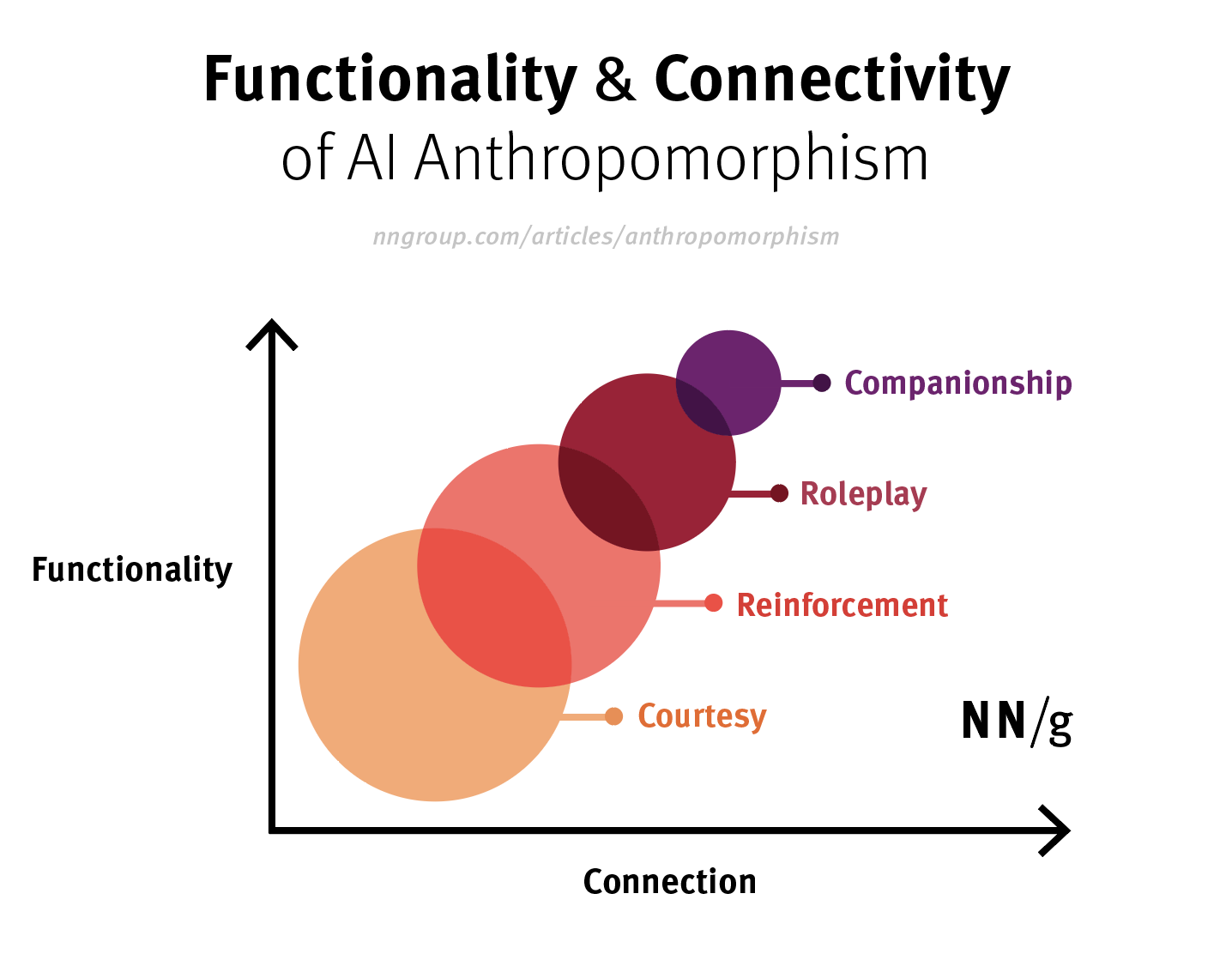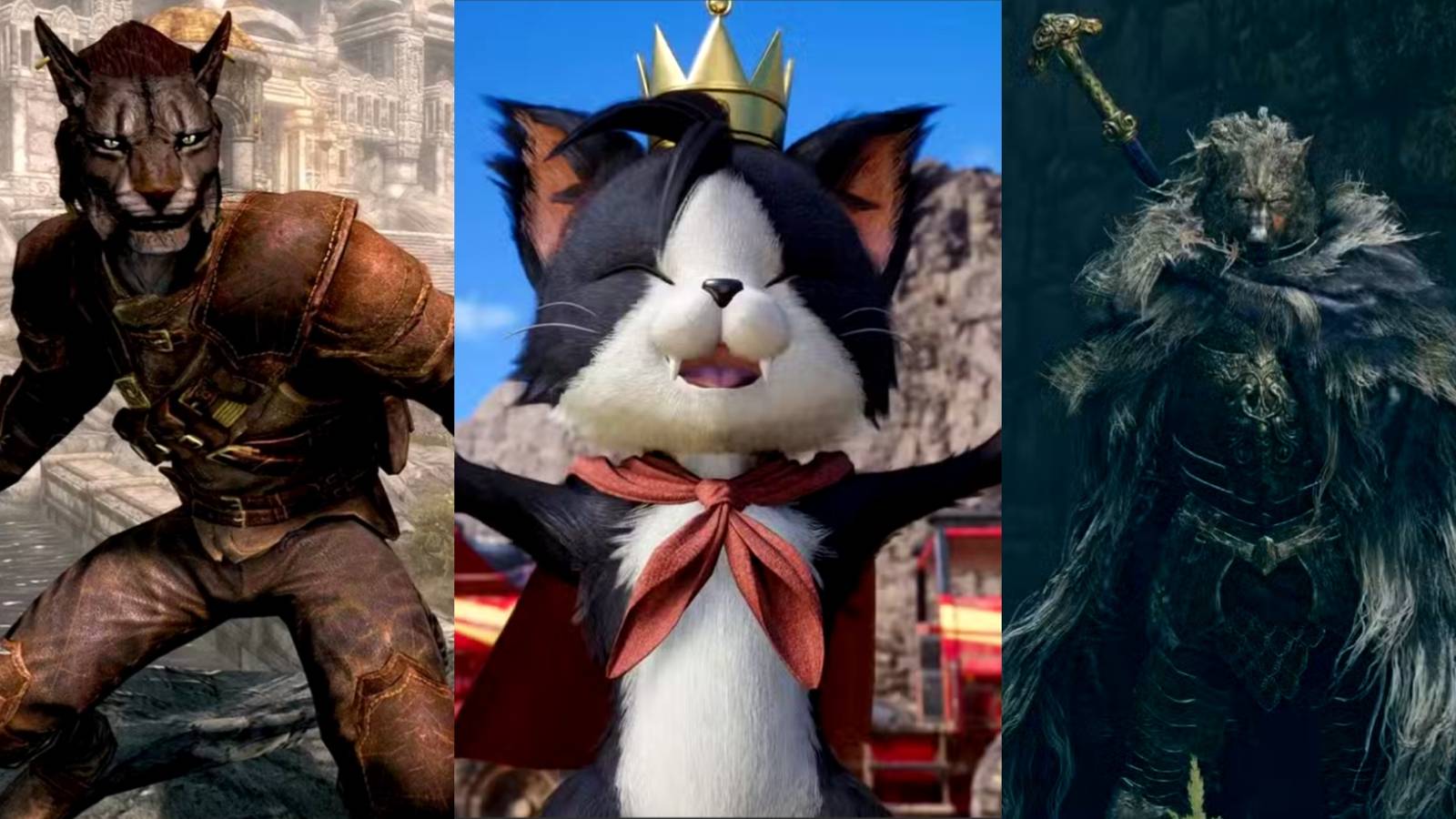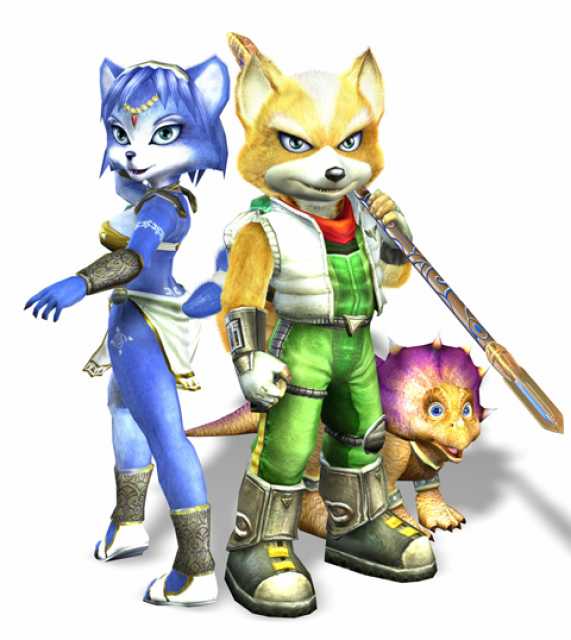
In the sprawling digital landscapes of modern gaming, where pixels and polygons collide to create immersive worlds, one phenomenon quietly reshapes player engagement: anthropomorphism. This subtle art of imbuing non-human entities with human-like traits—be it through expressive faces, relatable behaviors, or emotional depth—has become a cornerstone of player retention. Games that master this craft don’t just capture attention; they forge emotional bonds that linger long after the controller is set down. To understand why anthropomorphism is the secret sauce of player loyalty, we must dissect its psychological allure, its narrative power, and its uncanny ability to blur the line between player and protagonist.
The Psychology of Connection: Why We Bond with Pixelated Souls
At the heart of anthropomorphism lies a paradox: we know these characters aren’t real, yet we treat them as if they are. This cognitive dissonance is no accident—it’s a carefully engineered illusion. Cognitive psychology reveals that our brains are wired to anthropomorphize; it’s an evolutionary shortcut to make sense of the world. When a game character blinks, sighs, or reacts to our choices with a flicker of disappointment, our mirror neurons fire as if we were experiencing those emotions ourselves. This neural mimicry is the bedrock of empathy, and empathy, in turn, is the glue that binds players to their digital avatars.
Consider the humble NPC (non-player character) in a bustling fantasy city. A generic villager might shuffle past, their dialogue reduced to a canned greeting. But introduce a limp, a nervous twitch, or a muttered aside about the weather, and suddenly, they’re no longer background noise—they’re a living, breathing fragment of the world. Players don’t just observe; they *care*. This shift from detachment to investment is the difference between a game played once and forgotten and one replayed obsessively, each interaction a thread in an emotional tapestry.
The Alchemy of Emotional Resonance: From Pixels to Pathos
Anthropomorphism isn’t merely about making characters *look* human—it’s about making them *feel* human. The most enduring games leverage this alchemy to transform abstract challenges into deeply personal struggles. Take, for instance, a game where your companion is a robotic hound with a flickering eye. Its “happiness” is tied to your performance, its “fear” palpable in tense moments. The player doesn’t just complete objectives; they nurture a relationship. This dynamic taps into our innate desire to care for and be cared for, a primal instinct that transcends the digital divide.
Games like Stray, where a cat navigates a cyberpunk wasteland, or Journey, where a robed figure communicates through chimes and gestures, prove that anthropomorphism doesn’t require words to convey depth. The absence of dialogue forces players to project their own emotions onto the character, creating a uniquely intimate experience. It’s a form of emotional ventriloquism, where the player’s inner world merges with the game’s outward expression. This silent symphony of feeling is why such games linger in the memory like a half-remembered dream.
The Illusion of Agency: When Players Become Puppeteers (and the Puppets)
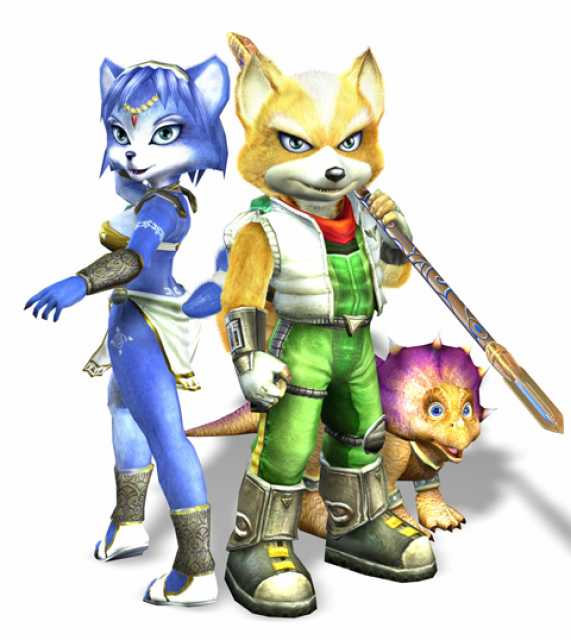
Anthropomorphism doesn’t just make characters relatable—it makes players feel powerful. When a game character reacts dynamically to your choices, it’s not just their story you’re shaping; it’s your own. This illusion of agency is a psychological high, a dopamine-fueled rush that keeps players hooked. Consider a game where your decisions influence an NPC’s loyalty. A well-timed compliment might make their eyes light up; a harsh word could leave them slumped in defeat. These micro-interactions create a feedback loop: the more you engage, the more the game *feels* like it’s engaging with *you*.
This phenomenon is amplified in games with persistent worlds, where NPCs remember past interactions. A shopkeeper who once scoffed at your haggling might later confide in you about their financial woes, their voice trembling with vulnerability. The player isn’t just a spectator—they’re a confidant, a catalyst for change. This sense of influence is intoxicating, a digital echo of the power we crave in real life. Games that harness this dynamic don’t just retain players; they cultivate devoted communities, where every playthrough feels like a new chapter in an ongoing saga.
The Uncanny Valley and the Art of Strategic Imperfection
Yet anthropomorphism is a double-edged sword. Venture too far into the uncanny valley—where characters almost, but not quite, resemble humans—and the illusion shatters. A face that’s 90% lifelike but with eyes that don’t quite track can evoke revulsion rather than empathy. The key lies in strategic imperfection: embracing flaws that humanize rather than unsettle. A character’s asymmetrical smile, a stutter in their speech, or a limp that betrays their age can make them feel more real than a flawless CGI model.
Games like The Last of Us excel here, crafting characters whose humanity is etched into every wrinkle and scar. Joel’s gruff demeanor and Ellie’s defiant resilience aren’t just traits—they’re scars of a shared past. These imperfections aren’t bugs; they’re features, the cracks through which empathy seeps in. Players don’t just tolerate these flaws—they cherish them, because they mirror the messy, unpredictable nature of real life.
Narrative Alchemy: Weaving Anthropomorphism into the Story’s Fabric
Anthropomorphism isn’t a standalone trick—it’s a narrative device that can elevate an entire game’s story. When a game’s world is populated with characters who feel alive, the setting itself becomes a character. A bustling marketplace isn’t just a backdrop; it’s a living organism, pulsing with the rhythms of its inhabitants. This depth transforms gameplay from a series of tasks into an immersive role-playing experience.
Consider a game where the player’s choices ripple through an entire ecosystem of NPCs. A decision to spare a thief might lead to a grateful ally appearing later, while ignoring their pleas could result in a vengeful enemy lurking in the shadows. These connections aren’t just mechanical—they’re emotional. The player isn’t just progressing through a story; they’re shaping a world. This narrative richness is why games with strong anthropomorphic elements often spawn dedicated fanbases, where players dissect every interaction, every glance, every unspoken moment.
The Future: Where Anthropomorphism Meets Artificial Intelligence
As artificial intelligence advances, the line between static characters and dynamic entities blurs further. Imagine an NPC who remembers not just your past choices but your playstyle, adapting their dialogue and behavior to suit your preferences. A shy character might open up to a player who consistently chooses supportive actions, while a brash one could grow more aggressive if the player favors confrontation. This level of personalization could redefine player retention, creating games that feel tailor-made for each individual.
Yet with this power comes responsibility. The more lifelike characters become, the greater the risk of overstepping into the uncanny valley or, worse, manipulating players through emotional coercion. The future of anthropomorphism in gaming lies in balance—crafting characters who feel real enough to evoke empathy, but not so real that they erode the player’s sense of agency. The goal isn’t to trick players into caring; it’s to give them a reason to care.

Conclusion: The Human Touch in a Digital World
Anthropomorphism in gaming is more than a design choice—it’s a bridge between the virtual and the visceral. It transforms cold mechanics into warm interactions, turning pixels into personalities and challenges into emotional journeys. The games that master this art don’t just entertain; they enchant, leaving players with a lingering sense of connection long after the screen fades to black.
In an era where players are bombarded with endless content, anthropomorphism is the secret weapon that cuts through the noise. It’s the reason a player will replay a game to see how a beloved NPC reacts to a different choice. It’s the reason a side character becomes a household name. And it’s the reason, despite the passage of time, these games remain etched in our memories—not as products, but as experiences. The future of gaming isn’t just about better graphics or faster load times; it’s about crafting worlds where every character, no matter how small, feels like a piece of the human heart.