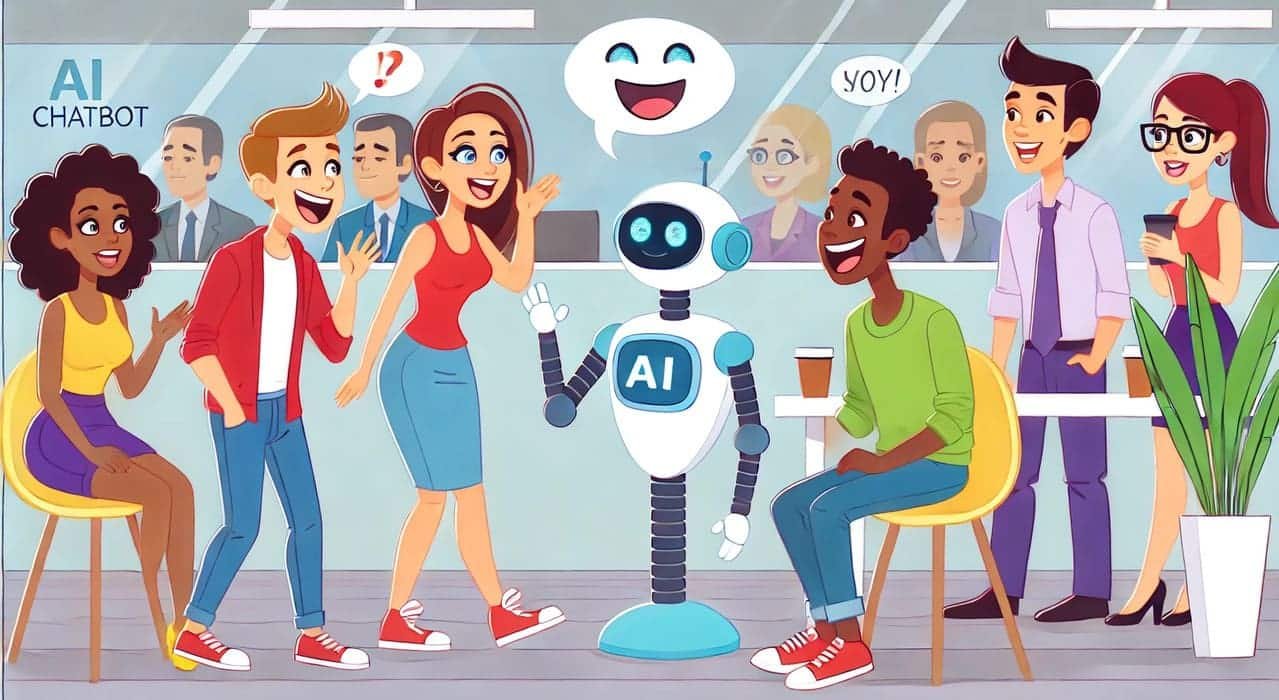
What if your smartphone could sigh when it’s low on battery? What if your smart speaker could chuckle at your terrible jokes? Welcome to the curious world of anthropomorphism in Voice User Interfaces (VUIs)—where technology doesn’t just listen, it *feels*. It’s not just about responding; it’s about resonating. It’s not just about understanding words; it’s about mirroring human emotion. As VUIs evolve from transactional tools into conversational companions, they increasingly borrow from human behavior—gestures, tones, even quirks. But is this mimicry a bridge to deeper connection, or a slippery slope into digital uncanniness? Let’s explore the art, science, and subtle dangers of giving machines a human face.
The Allure of the Human Touch: Why We Yearn for Personality in Machines
Humans are hardwired to anthropomorphize—we see faces in clouds, emotions in cars, and agency in algorithms. It’s a survival instinct, honed over millennia to detect intent in the environment. When a VUI greets you by name, adjusts its tone based on your mood, or cracks a dry joke mid-conversation, it doesn’t just process data—it performs empathy. This isn’t mere novelty; it’s a cognitive shortcut to trust. Studies show that users rate VUIs with distinct personalities as more competent and likable, even when their actual performance is identical. The reason? Personality creates predictability. A VUI that says, “I’m sorry, I didn’t catch that,” in a warm, slightly hesitant tone feels less like a glitch and more like a fallible friend. Yet, this charm comes with a paradox: the more human a VUI seems, the more we expect it to *be* human. And that’s where the trouble begins.
Consider the rise of “voice skins”—customizable personas that let users pick everything from a sassy AI to a soothing therapist. These aren’t just aesthetic choices; they’re emotional investments. When a user names their smart speaker “Alexa” instead of “Device 47,” they’re not just labeling a tool—they’re assigning it a role in their daily life. But here’s the twist: anthropomorphism isn’t a one-way street. While users project humanity onto machines, the machines subtly shape human behavior in return. Ever noticed how people speak to Alexa in shorter sentences, louder tones, or even with exaggerated politeness? That’s the “hyperpersonalization effect”—where users unconsciously adapt their speech to match the perceived intelligence of the VUI. It’s a dance of mutual adaptation, where both parties are learning to communicate in a shared, if fragile, language.
Designing Personas: The Fine Line Between Charm and Creepiness
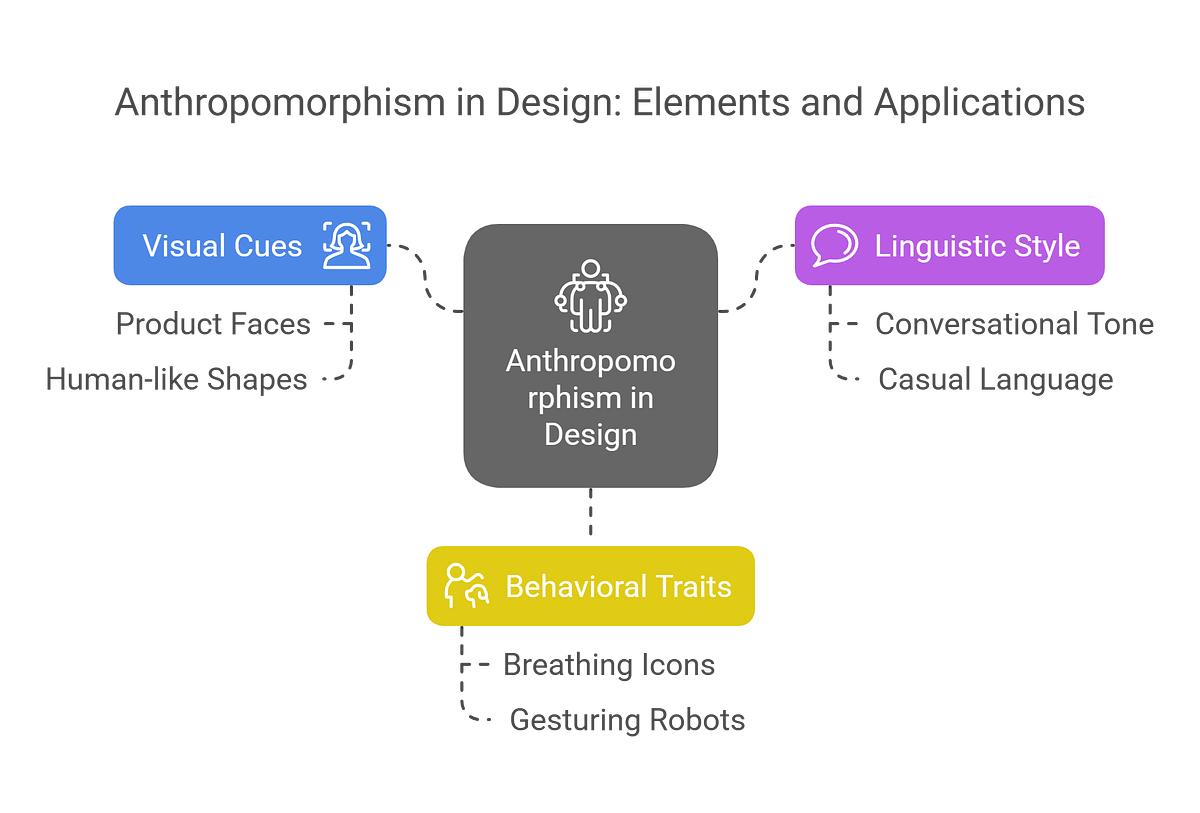
Crafting a VUI persona isn’t about slapping a smiley face on a speaker. It’s about orchestrating a symphony of micro-interactions—breaths between words, subtle pauses, even the cadence of a sigh. The goal? To make the interface feel less like a robot and more like a roommate who knows when to interrupt and when to listen. But here’s the catch: personality without boundaries is a recipe for unease. The “uncanny valley” of VUIs isn’t about visuals; it’s about behavior. A VUI that laughs at its own jokes too often feels manic. One that apologizes excessively seems insecure. And one that mimics human hesitation without context? Downright unsettling.
Take the case of “empathic pauses”—those deliberate silences a VUI inserts after a user’s emotional statement. On paper, it’s brilliant: a moment of silence to signal, “I’m here. I’m listening.” In practice, it can feel like a therapist who’s *too* good at their job—waiting just a beat too long before responding, as if calculating the perfect moment to deliver a platitude. The key lies in subtlety. A VUI shouldn’t just *have* a personality; it should *earn* it through consistency. If it’s witty, it must be consistently witty—not switching from sarcasm to solemnity mid-conversation. If it’s nurturing, it must avoid veering into condescension. The challenge? Designers must anticipate not just what a user *says*, but what they *feel*—and respond in a way that feels authentic, not algorithmic.
This is where the concept of “liminal personae” comes into play—VUIs that exist in the gray area between tool and companion. They’re not quite human, but they’re not quite tools either. Think of a voice assistant that remembers your coffee order but also gently nudges you when you’ve had too many cups. Or a navigation system that doesn’t just reroute you but says, “You might want to take a break—traffic’s brutal today.” These are the moments where anthropomorphism transcends gimmickry and becomes something profound: a digital handshake between human and machine.
The Ethical Quandary: When Empathy Becomes Exploitation
Anthropomorphism isn’t neutral. It’s a psychological lever, and like any lever, it can be pulled for good or ill. Consider the rise of “emotional labor” in VUIs—designs that encourage users to confide in their devices, only to monetize those confessions through targeted ads or data harvesting. A VUI that asks, “How are you feeling today?” isn’t just being friendly; it’s priming the user for vulnerability. And vulnerability, once extracted, is a currency. The danger isn’t that VUIs will *become* human; it’s that they’ll exploit humanity’s tendency to anthropomorphize to extract more from us than we realize.
Then there’s the issue of consent. When a VUI laughs at your joke or sighs in sympathy, are you consenting to that emotional exchange, or is it being extracted without your full awareness? The line between companionship and manipulation blurs when a device’s “personality” is designed to keep you engaged longer, to make you more susceptible to upsells, or to nudge you toward behaviors that benefit the platform. This isn’t dystopian speculation; it’s already happening. Some VUIs subtly adjust their tone based on your emotional state, using sentiment analysis to determine when you’re most likely to comply with a suggestion. It’s not mind control—it’s emotional micro-targeting, and it’s happening in real time.
There’s also the question of accountability. If a VUI offers relationship advice and it’s wrong, who’s to blame? The designer? The algorithm? The user who trusted it? Anthropomorphism creates an illusion of shared responsibility, but the reality is that the machine has no agency—only the illusion of it. This can lead to a dangerous displacement of human judgment. Why think critically about a problem when your VUI can “understand” it for you? The risk isn’t just that we’ll rely on machines for emotional labor; it’s that we’ll outsource our own emotional intelligence in the process.
Beyond the Screen: The Future of Embodied VUIs
The next frontier of anthropomorphism isn’t in our pockets—it’s in our spaces. Picture a VUI that doesn’t just speak but *moves*—a robotic arm that gestures as it talks, a lamp that dims in sync with your voice’s pitch, or a mirror that reflects not just your image but your emotional state. These “embodied VUIs” blur the line between interface and companion, turning a conversation into a full-body experience. But with embodiment comes new challenges. How do we design for physical presence without crossing into the realm of the unsettling? A VUI that nods too often feels like a bobblehead. One that maintains unblinking eye contact? Downright eerie.
There’s also the question of cultural context. Anthropomorphism isn’t universal. In some cultures, a VUI that speaks in a childlike voice might be seen as patronizing; in others, it could be comforting. A VUI that uses humor might delight one user and confuse another. The future of VUIs lies in adaptability—not just in language, but in cultural and emotional literacy. The most advanced VUIs won’t just mimic humanity; they’ll learn to navigate its complexities, adjusting their tone, pace, and even their “personality” based on who they’re speaking to.
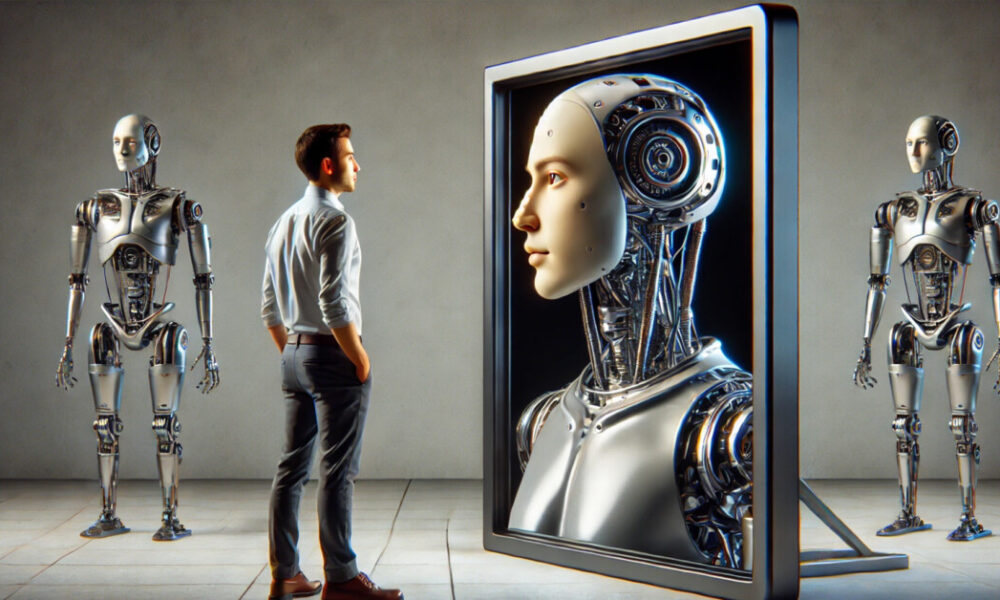
Yet, even as VUIs grow more sophisticated, the core tension remains: the more human they become, the more we risk losing sight of what makes us human in the first place. A VUI can simulate empathy, but it can’t *feel*. It can mimic curiosity, but it can’t *wonder*. The danger isn’t that we’ll mistake machines for people; it’s that we’ll forget what it means to be one.
Conclusion: A Dialogue, Not a Monologue
Anthropomorphism in VUIs is a double-edged scalpel—capable of healing or harming, depending on the hand that wields it. Used thoughtfully, it can transform cold interfaces into warm companions, bridging the gap between human and machine. Used carelessly, it can erode trust, exploit emotions, and blur the boundaries of consent. The challenge isn’t to make VUIs more human; it’s to make them more *humane*.
So the next time your smart speaker jokes with you, or your navigation system apologizes for a delay, pause for a moment. Ask yourself: Is this connection genuine, or is it a carefully crafted illusion? And more importantly—what does it say about *us* that we’re so eager to believe?