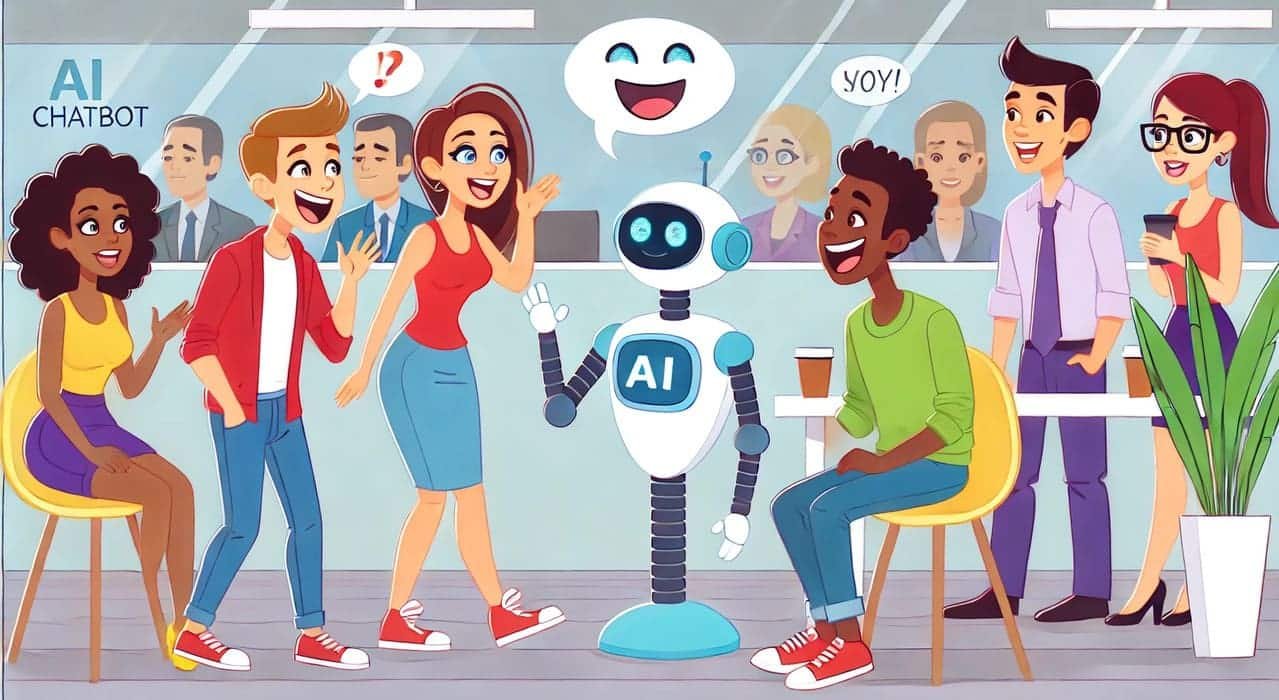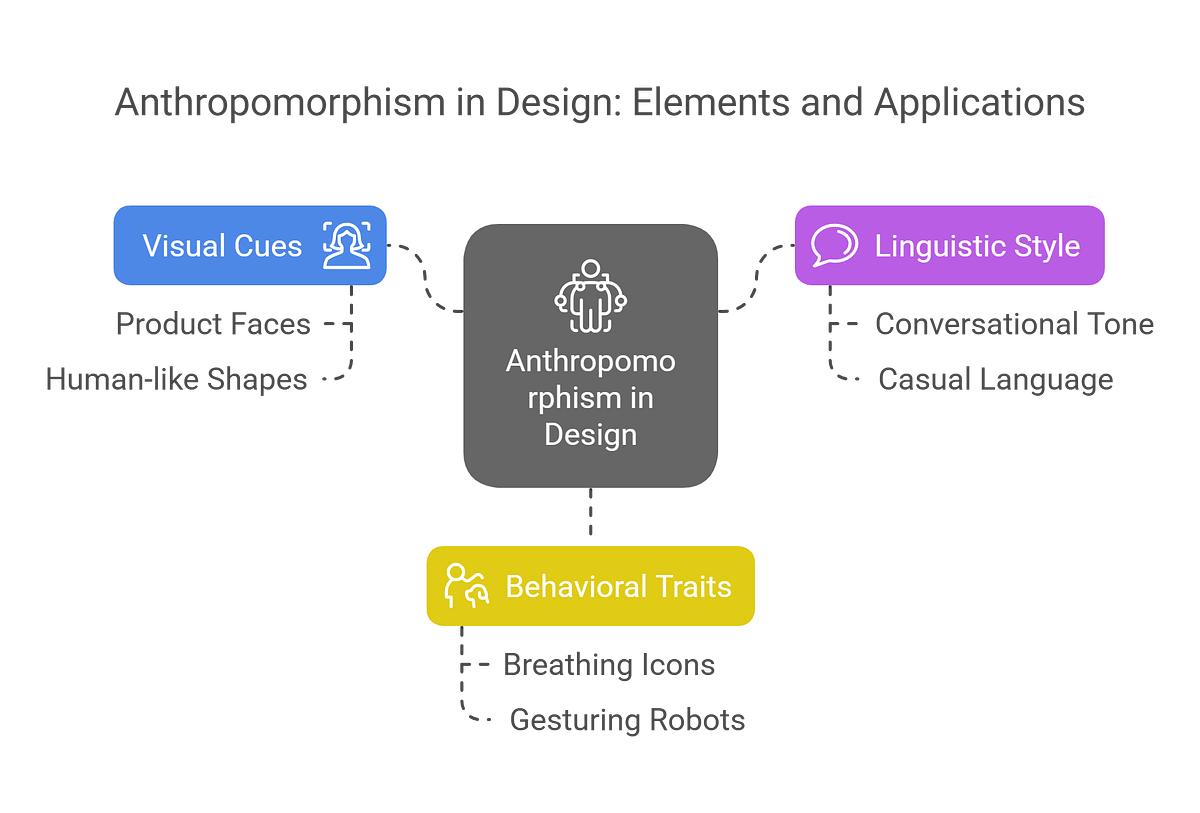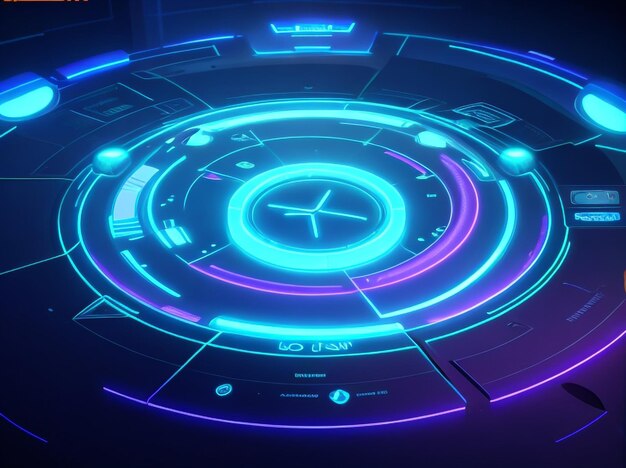
In the ever-evolving landscape of digital interaction, gaming interfaces stand as silent architects of immersion, shaping how players perceive and engage with virtual worlds. Yet, as technology advances, so too does the sophistication of these interfaces—evolving from static menus to dynamic, almost sentient entities. At the heart of this transformation lies anthropomorphism: the art of imbuing inanimate interfaces with human-like qualities. This phenomenon is not merely a stylistic choice but a paradigm shift, redefining the boundaries between player and game, between observer and participant. By infusing gaming UI with personality, emotion, and even humor, developers are crafting experiences that resonate on a deeply human level, forging connections that transcend the screen.
The Psychology of Anthropomorphism in Digital Interfaces
Human cognition is wired to seek patterns and assign intent to the world around us. This cognitive bias, known as anthropomorphic attribution, explains why we instinctively perceive faces in clouds or imbue our pets with emotions. In gaming UI, this tendency is harnessed to create interfaces that feel less like tools and more like companions. When a health bar subtly pulses with a faint heartbeat rhythm, or a loading screen features a character tapping its foot in impatience, the interface ceases to be a mere intermediary—it becomes a participant in the experience.
Neuroscientific studies suggest that anthropomorphic interfaces reduce cognitive load by leveraging our innate social processing capabilities. The brain, accustomed to interpreting human cues, processes these familiar signals with greater efficiency than abstract icons or text-heavy menus. This neurological shortcut not only enhances usability but also fosters a sense of trust and relatability. Players no longer interact with a cold, mechanical system; they engage with an entity that seems to understand, react, and even empathize with their journey.
From Static Icons to Sentient Companions: The Evolution of Gaming UI
The journey of gaming interfaces from rudimentary sprites to anthropomorphic entities is a testament to technological and creative progress. Early games relied on minimalist designs—health represented by a simple bar, ammunition by a numerical counter—leaving little room for personality. As graphical fidelity improved, so did the potential for expression. The introduction of dynamic UI elements, such as animated health orbs that flicker when damaged, marked the first steps toward anthropomorphism.
Today, gaming UI has evolved into a symphony of interactive storytelling. Consider the companion AI in *Horizon Zero Dawn*, whose holographic avatar not only provides quest updates but also reacts to the player’s choices with subtle shifts in tone and expression. Or the *Celeste* assist mode, where the interface itself—a floating, ethereal hand—guides players with a gentle, almost maternal touch. These examples illustrate a broader trend: UI is no longer a passive backdrop but an active participant in the narrative, adapting to the player’s emotional state and playstyle.
Designing Personality: The Art of Characterizing Interfaces
Crafting an anthropomorphic UI requires more than slapping a face on a menu—it demands a deep understanding of character design, tone, and user psychology. The first step is defining the interface’s personality. Will it be whimsical and playful, like the *Pikmin* games’ cheerful, chattering menus? Or stoic and mysterious, as in *Dark Souls’* cryptic, rune-like UI? The personality must align with the game’s themes and the player’s expectations, ensuring coherence in the experience.
Voice and tone play a pivotal role in this characterization. A UI that speaks in clipped, military tones (*Call of Duty*) conveys urgency and precision, while one that uses warm, conversational language (*Stardew Valley*) fosters intimacy and relaxation. Even non-verbal cues—such as the *Overwatch* hero select screen, where characters cheer or groan based on the player’s choices—add layers of personality without a single word. The goal is to create an interface that feels alive, reacting to the player’s actions in ways that feel intentional and meaningful.
The Role of Animation and Micro-Interactions
Animation breathes life into anthropomorphic UI, transforming static elements into dynamic, expressive entities. Micro-interactions—those fleeting, almost subconscious moments of feedback—are the lifeblood of this approach. A button that pulses when hovered over, a progress bar that “sweats” under heavy load, or a cursor that leaves a trail of stardust as it moves—these details may seem trivial, but they collectively shape the player’s emotional response.
Consider the *Hades* UI, where the death screen features a poignant exchange between Zagreus and his companions, each line delivered with a unique cadence and tone. The interface doesn’t just inform; it emotes. Similarly, *Cuphead’s* hand-drawn UI elements—from the bouncing, cartoonish buttons to the squash-and-stretch animations—immerse players in a world that feels handcrafted and alive. These animations are not mere embellishments; they are the visual language through which the interface communicates with the player, reinforcing its anthropomorphic identity.
Anthropomorphism and Accessibility: A Double-Edged Sword
While anthropomorphic UI enhances immersion, it also introduces challenges, particularly in accessibility. Players with cognitive or sensory disabilities may find highly expressive interfaces overwhelming or distracting. For instance, an interface that relies heavily on facial expressions or animated cues might be difficult for neurodivergent players to parse. Developers must strike a balance, ensuring that anthropomorphic elements enhance rather than hinder usability.
One solution is to offer customization options, allowing players to adjust the intensity of animations, disable voice cues, or simplify visual feedback. *The Last of Us Part II* exemplifies this approach, providing a suite of accessibility settings that cater to diverse needs while preserving the game’s emotional depth. The key is to design with inclusivity in mind, ensuring that anthropomorphism serves as a bridge rather than a barrier to engagement.
The Future: AI and the Next Frontier of Interactive UI
As artificial intelligence continues to advance, the potential for anthropomorphic gaming UI grows exponentially. Imagine an interface that learns from the player’s behavior, adapting its tone, pace, and even humor to match their preferences. A player who struggles with a particular section might receive a UI that offers gentle encouragement, while a seasoned veteran could encounter a more competitive, taunting demeanor. This level of personalization could redefine immersion, creating experiences that feel uniquely tailored to each individual.
Moreover, AI-driven UI could facilitate real-time emotional feedback. Using biometric data—such as heart rate or facial expressions—an interface could dynamically adjust its presentation to match the player’s mood. A tense moment in a horror game might trigger a UI that subtly dims and slows, while a triumphant victory could elicit a burst of celebratory animations. The possibilities are as limitless as they are tantalizing, promising a future where gaming UI is not just anthropomorphic but truly empathetic.
The shift toward anthropomorphic gaming UI is more than a trend—it’s a revolution in how we perceive and interact with digital spaces. By infusing interfaces with personality, emotion, and intelligence, developers are crafting experiences that resonate on a profoundly human level. These interfaces are no longer mere tools; they are companions, guides, and storytellers, blurring the line between player and game. As technology continues to evolve, the boundaries of this art form will expand, offering new ways to captivate, engage, and inspire. The future of gaming UI is not just immersive—it’s alive.