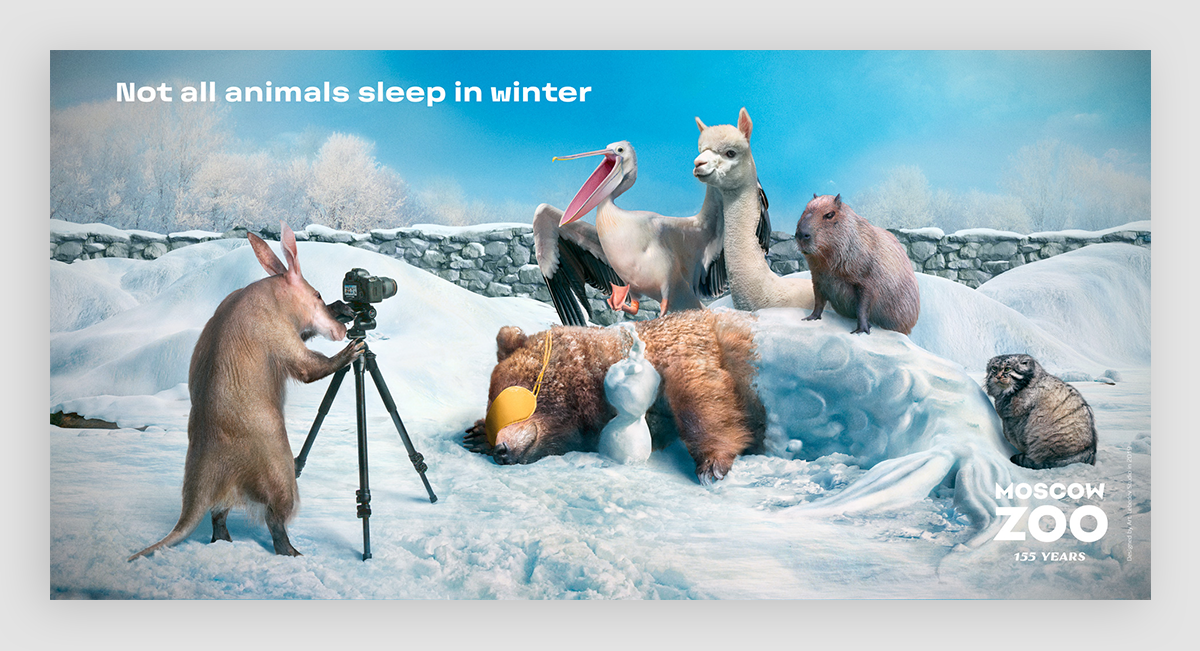
In the vast tapestry of storytelling, few threads weave as intricately—or as captivatingly—as the art of crafting anthropomorphic characters. These beings, where human traits and animalistic instincts coalesce, offer a canvas unlike any other. They are the chimeras of narrative, blending the familiar with the fantastical, the mundane with the mythic. To write them well is to unlock a realm where metaphor dances with raw emotion, where every whisker and every word carries weight. This guide delves into the alchemy of creating anthropomorphic characters that leap off the page, resonate in the mind, and linger in the soul.
The Allure of the Hybrid: Why Anthropomorphism Captivates
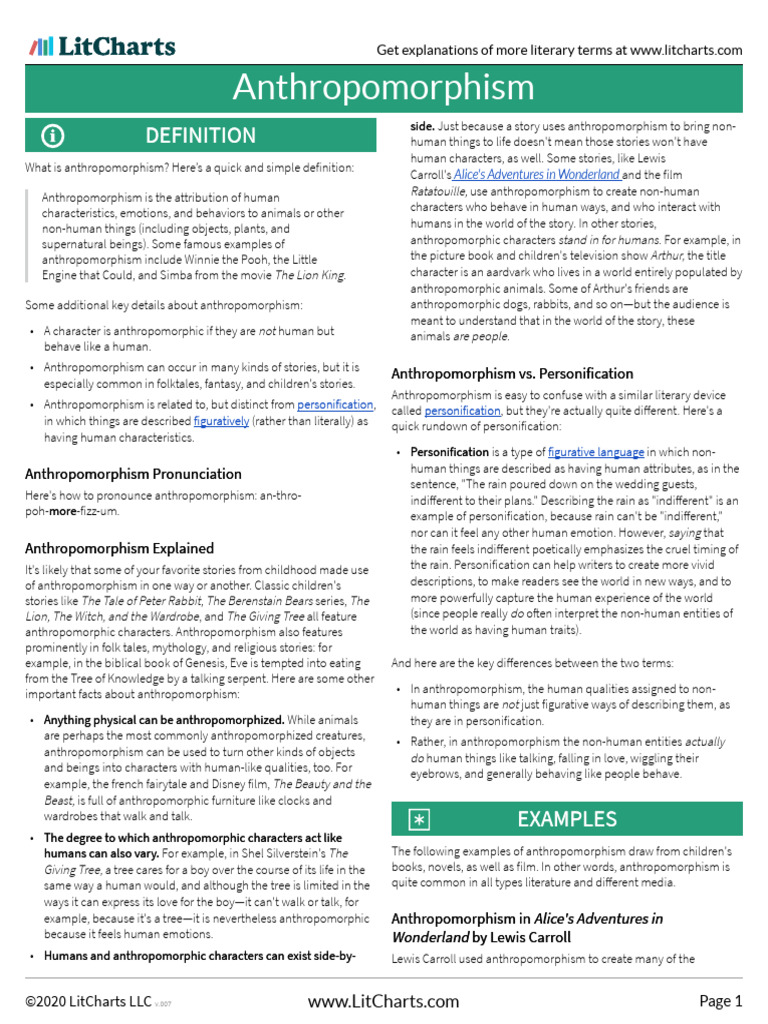
Anthropomorphism is more than a literary device; it is a mirror held up to humanity, reflecting our virtues, vices, and contradictions through the lens of the animal kingdom. When a fox outwits a wolf in a tale of cunning, we see not just a predator and prey, but the eternal struggle between intelligence and brute force. The appeal lies in the duality: these characters are both us and not us, familiar yet alien, embodying the paradox of being human in a world that often feels inhuman. Their existence allows writers to explore complex themes—identity, power, morality—without the constraints of realism. A bear might represent raw, untamed nature, while a rabbit could symbolize timidity or fertility. The metaphor is immediate, visceral, and endlessly adaptable.
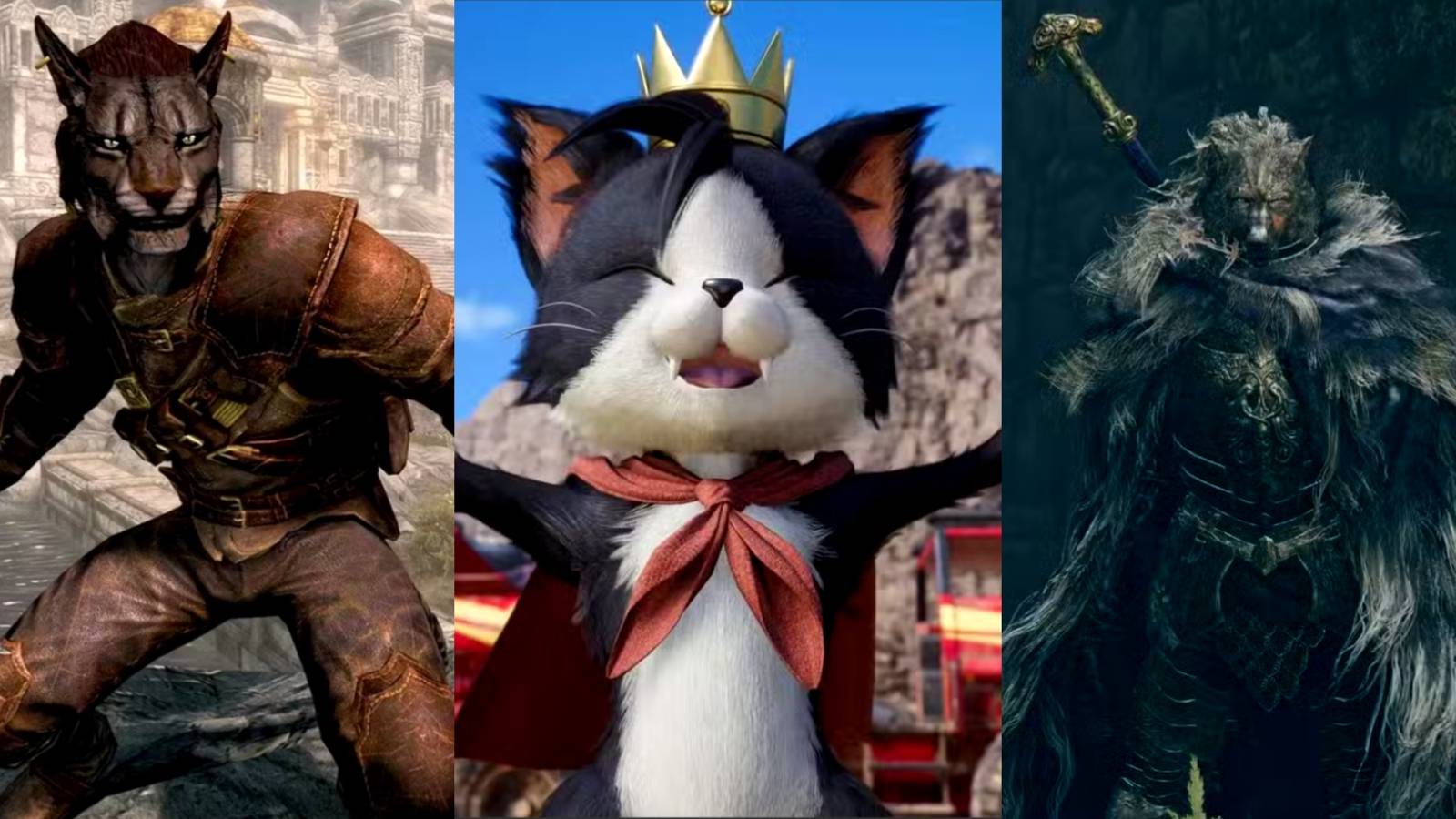
Rooting Characters in Archetypes: The Psychology of Animal Traits
Before a single word is written, the foundation of an anthropomorphic character must be laid in the bedrock of archetypes. These are not rigid stereotypes but psychological touchstones that resonate across cultures and eras. The lion, for instance, is often tied to leadership and courage, but subvert expectations by giving your feline protagonist a paralyzing fear of thunderstorms. The serpent might evoke wisdom or deceit, yet a serpentine character who speaks in riddles could be the most honest soul in the story. The key is to treat these traits as a starting point, not a cage. Study ethology—the science of animal behavior—to infuse authenticity into your characters. A wolf’s pack mentality isn’t just a plot device; it’s a window into loyalty, hierarchy, and survival. By grounding traits in observable animal behavior, you lend your characters a tangible, almost scientific credibility that makes their human-like struggles more poignant.
Metaphor as a Scalpel: Dissecting Humanity Through Animal Forms
The true power of anthropomorphism lies in its ability to dissect human nature with surgical precision. A character who is a tortoise in a race against a hare isn’t just a fable about slowness; it’s a meditation on perseverance, societal pressures, and the illusion of meritocracy. The metaphor becomes a scalpel, slicing through the superficial to reveal the raw, unfiltered truth beneath. To wield this tool effectively, ask: what does this animal represent in the collective unconscious? What fears, desires, or flaws does it embody? A vulture circling overhead might not just be a scavenger; it could symbolize the inevitability of death or the predatory nature of capitalism. The more specific the metaphor, the more universal its resonance. Avoid clichés like the “wise old owl” unless you’re prepared to subvert them. Instead, ask what an owl *truly* is: a nocturnal hunter, a creature of silence and stealth, a symbol of both wisdom and predation. Let these contradictions fuel your character’s depth.

Voice and Vernacular: Crafting Dialogue That Roars
Anthropomorphic characters demand dialogue that is as distinctive as their forms. A bear’s voice might be a deep, rumbling baritone, laced with the cadence of a lumberjack, while a squirrel’s speech could be rapid-fire, punctuated by nervous chuckles. But voice is more than pitch and speed; it’s a reflection of upbringing, culture, and personality. A city-raised fox might use slang and sarcasm, while a rural badger could speak in proverbs and homespun wisdom. Consider the animal’s natural communication methods—how does a peacock’s strut translate to speech? Perhaps with exaggerated flair and a penchant for dramatic pauses. The vernacular should also reflect the character’s role in the world. A monarchical stag might use archaic language, while a street-smart rat could pepper their dialogue with modern slang. The goal is to make their speech feel organic to their species and background, yet unmistakably *them*.
The Body as a Story: Physicality and Nonverbal Communication
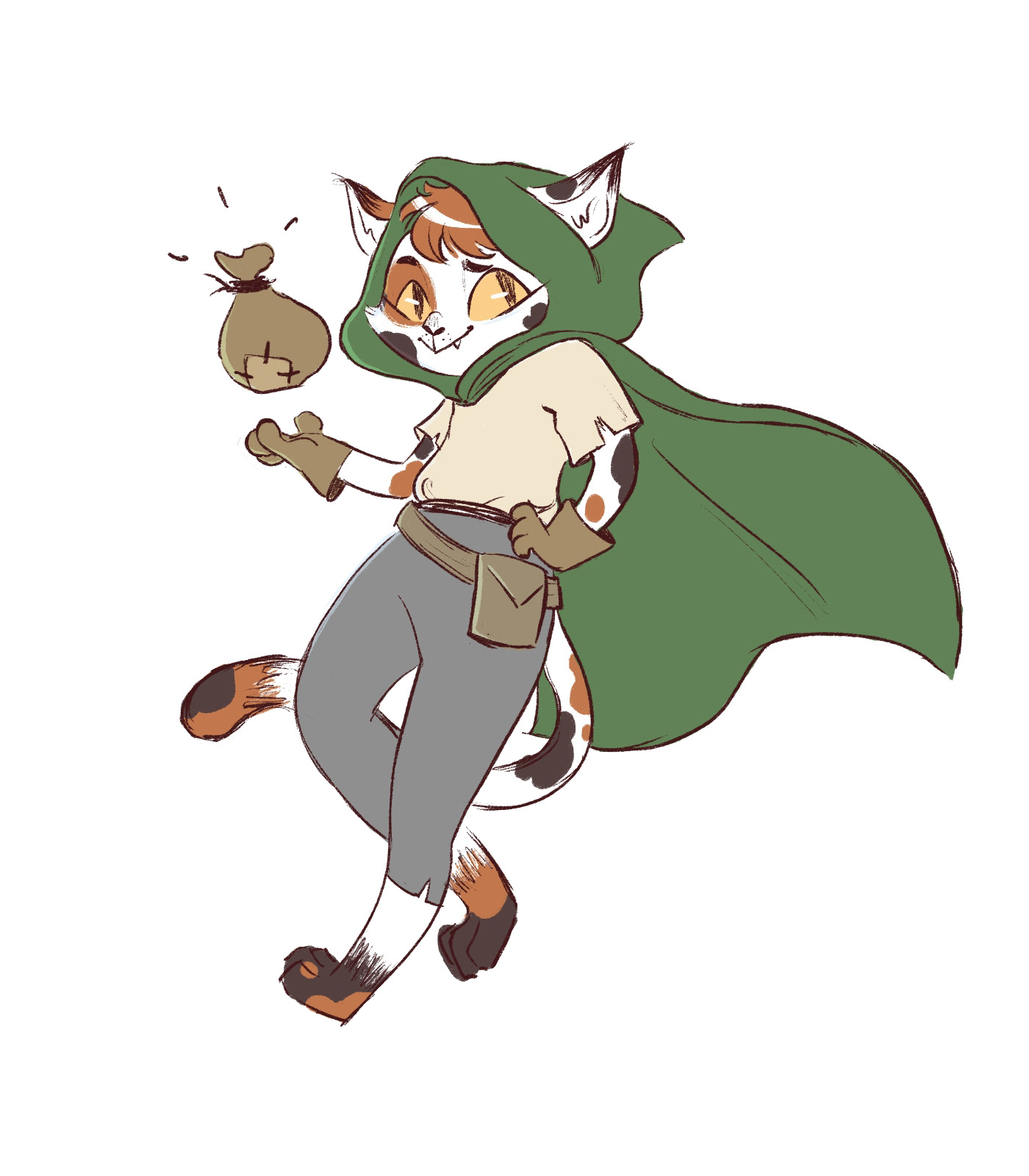
In the realm of anthropomorphism, the body is a storyteller. A character’s posture, gait, and gestures can convey volumes without a single word. A wolf’s stiff-legged walk might betray dominance, while a rabbit’s constant twitching ears could signal anxiety. The way a character moves—whether it’s the fluid grace of a panther or the awkward waddle of a penguin—should be as integral to their identity as their backstory. Physicality also extends to their interactions with the world. A giraffe might struggle to fit through doorways, a porcupine’s quills could be a defensive mechanism, and a chameleon’s color-shifting skin could reflect their emotional state. These details aren’t mere decoration; they’re narrative tools that deepen immersion and reveal character. Pay attention to how your character’s form interacts with their environment. Does a heavy-set bear leave deep paw prints in the snow? Does a bird’s shadow loom ominously over a character’s path? These small touches ground the fantastical in the tangible.
Worldbuilding: Creating a Habitat for Your Characters
Anthropomorphic characters don’t exist in a vacuum; they thrive—or wither—in the ecosystems they inhabit. The world they live in should reflect their nature, both literally and metaphorically. A desert fox might navigate a sun-baked wasteland, while a river otter thrives in a bustling coastal city. The environment shapes their culture, their challenges, and their relationships. Consider how their animal traits influence their society. Do wolves rule through strength, while foxes govern through cunning? Are rabbits forced into hiding, or do they build intricate underground burrows? The world should also challenge them. A blind mole might struggle in a world of visual predators, while a flightless bird could face existential dread in a sky-dominated culture. The key is to make the world feel alive, responsive to the characters’ presence. A forest that whispers with the voices of its inhabitants, a city where the streets are designed for four-legged traffic—these details transform a setting into a character in its own right.

Conflict and Catharsis: The Emotional Core of Anthropomorphism
At its heart, storytelling is about conflict and catharsis, and anthropomorphic characters excel at both. Their hybrid nature makes them ripe for internal and external struggles. A character might grapple with their dual identity—are they more human or more animal? A fox torn between loyalty to their pack and a desire for individual freedom could mirror the human experience of belonging and rebellion. External conflicts can be equally rich. A predator forced to coexist with prey, a scavenger shunned by “noble” herbivores, or a hybrid child ostracized by both species—these scenarios explore prejudice, survival, and the search for acceptance. The emotional core of your story should resonate with universal truths. A character’s journey might parallel the human experience of aging (a wise old tortoise), the struggle for power (a lion challenging a corrupt hyena council), or the quest for love (a shy deer overcoming their stammer to woo a graceful crane). The metaphor becomes a bridge, allowing readers to connect with the story on a deeply personal level.
The Art of Subversion: Breaking Stereotypes and Expectations
While archetypes provide a sturdy foundation, the most compelling anthropomorphic characters are those that defy expectations. A gentle giant of a rhinoceros who is terrified of conflict. A pack of wolves who are pacifists, shunning violence in a brutal world. A vain peacock who is secretly insecure. Subversion isn’t about shock value; it’s about depth. It forces readers to confront their own biases and see the characters as fully realized individuals, not caricatures. To subvert effectively, start with the archetype and ask: what if the opposite were true? What if the predator is the protector, or the prey is the predator? What if the “noble” stag is a tyrant, or the “cunning” fox is a fool? The key is to make the subversion feel organic to the character’s journey. A shy rabbit who becomes a warrior isn’t just a trope flip; it’s a story about overcoming fear and finding strength in unexpected places.
Conclusion: The Legacy of the Hybrid
Anthropomorphic characters are more than a stylistic choice; they are a testament to the power of metaphor and the universality of human experience. When done well, they transcend their animal forms to become mirrors, teachers, and companions to the reader. They allow us to explore the human condition in ways that are both intimate and epic, personal and profound. The best of these characters linger long after the last page is turned, their stories echoing in the reader’s mind like a haunting melody. To write them is to wield a double-edged sword: one edge cuts to the bone of truth, the other carves a path to the heart. So take up the pen, and let your characters roar.