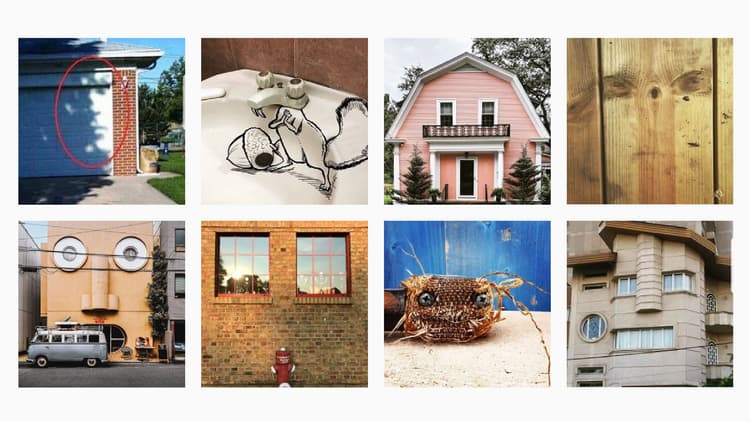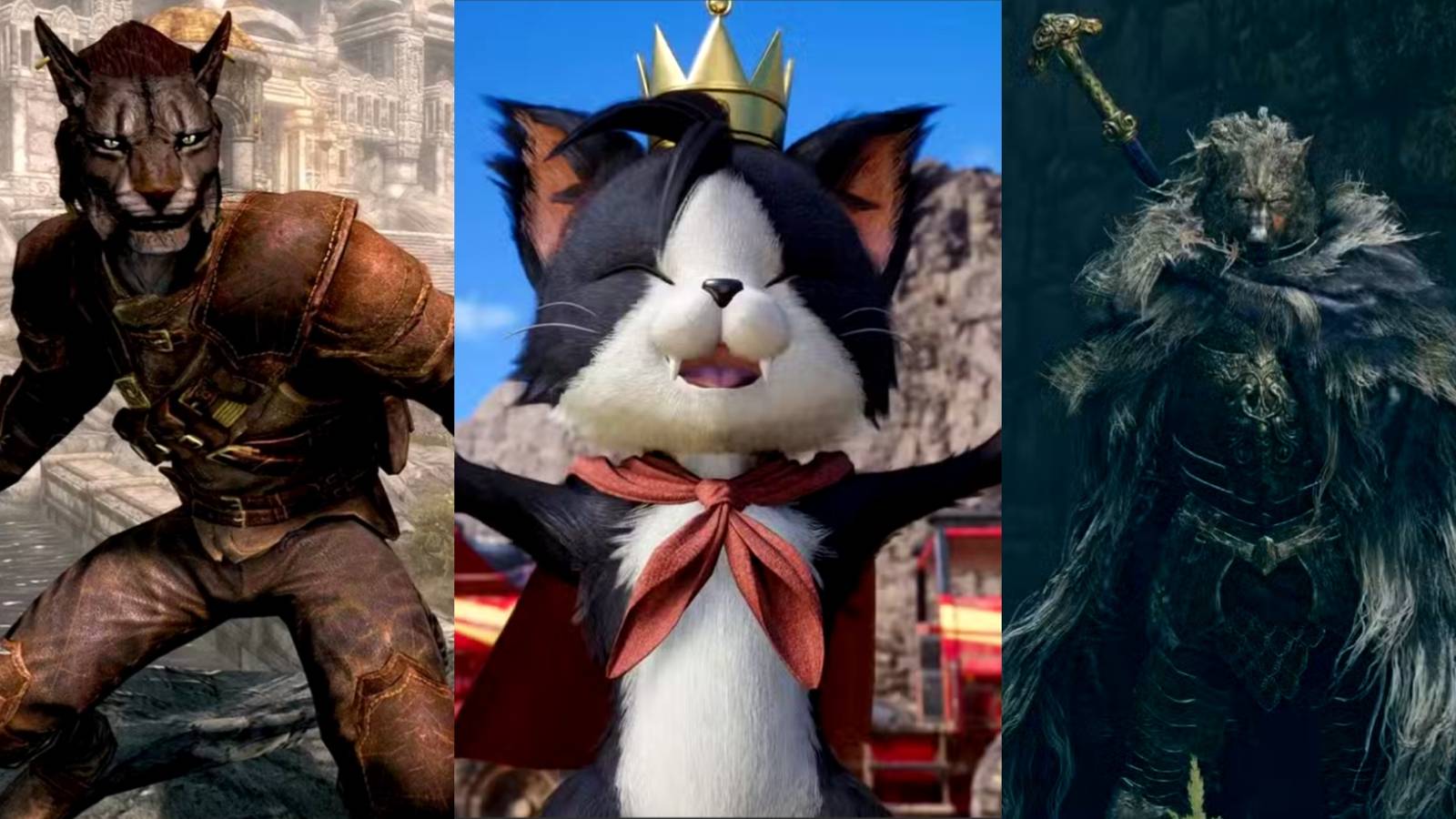
There’s a peculiar magic in watching a fox don a trench coat and solve crimes, or a rabbit don a chef’s hat and run a bustling diner. Anthropomorphic protagonists—characters with human traits yet animal, plant, or object forms—have woven themselves into the fabric of storytelling across cultures and centuries. From Aesop’s fables to modern animated epics, these figures transcend mere whimsy. They resonate deeply with audiences, often feeling more relatable than their fully human counterparts. But why? What is it about these hybrid beings that forges such an immediate connection with us?
The Illusion of Relatability Through Exaggeration
Anthropomorphism distills human experiences into exaggerated, almost caricatured forms. A grumpy old badger running a tavern isn’t just a grumpy old man—he’s a walking embodiment of stubborn wisdom, his fur bristling with the weight of decades. This exaggeration strips away the noise of human complexity, leaving only the essence of an emotion or trait. When we see a fox outsmarting predators, we recognize the cunning we’ve all felt in moments of negotiation or survival. The animal form acts as a magnifying glass, amplifying traits we recognize in ourselves but rarely confront directly.
This isn’t just about simplicity. It’s about distillation. A human character might hesitate, overanalyze, or second-guess—traits that can dilute the clarity of their motivations. An anthropomorphic character, however, wears their intentions on their sleeve, or rather, their fur. A wolf’s howl isn’t just a sound; it’s a declaration of loyalty or defiance. A rabbit’s twitching nose isn’t just a quirk; it’s the physical manifestation of curiosity. In this way, anthropomorphism doesn’t just make characters relatable—it makes their humanity *visible*.
The Comfort of the Familiar in the Unfamiliar
There’s a paradox at play here: anthropomorphic characters are undeniably *other*, yet they feel eerily familiar. A talking cat in a waistcoat might be a far cry from our daily lives, but the emotions driving their actions—pride, loneliness, ambition—are universal. This juxtaposition creates a cognitive dissonance that is oddly soothing. It’s easier to project our own struggles onto a creature that isn’t burdened by the same social expectations as a human. A mouse running a cheese empire isn’t just a rodent; it’s a stand-in for the underdog, the outsider who defies odds through sheer grit.
This familiarity isn’t accidental. Anthropomorphism taps into our innate tendency to anthropomorphize the world around us. We’ve all, at some point, attributed human-like qualities to inanimate objects—a stubborn door, a mischievous breeze. When these tendencies are applied to storytelling, they create a bridge between the known and the unknown. The animal or object form becomes a vessel, and we pour our own experiences into it. It’s a form of emotional shorthand, allowing us to process complex feelings without the cognitive load of human nuance.
The Catharsis of the Unfiltered Self
Human protagonists are often constrained by realism—by the need to be plausible, to adhere to societal norms. Anthropomorphic characters, however, exist in a liminal space where rules are bent. A raccoon can be a master thief without the moral baggage of a human criminal. A sentient cloud can drift through the sky, untethered by gravity or responsibility. This freedom allows these characters to embody traits we suppress in ourselves: recklessness, unapologetic greed, or even pure joy without inhibition.
There’s a cathartic release in watching a character act in ways we dare not. A fox might scheme and deceive, but we cheer because we recognize the thrill of the game. A bear might hibernate for months, indulging in solitude without guilt. These behaviors aren’t just entertaining; they’re aspirational. They remind us that our own restraints—social, emotional, or physical—are not absolute. In a world that often demands conformity, anthropomorphic protagonists offer a fleeting escape into a realm where the self is unfiltered, unjudged, and unbound.
The Power of the Archetype
Anthropomorphism is deeply tied to archetypes—universal symbols that resonate across cultures and eras. The wise old owl, the trickster fox, the nurturing bear—these figures predate written language. They are encoded in our collective unconscious, passed down through myths, fables, and oral traditions. When we encounter an anthropomorphic character, we’re not just meeting a new creation; we’re reconnecting with ancient narratives that have shaped our understanding of morality, justice, and identity.
This archetypal resonance is why certain anthropomorphic characters feel timeless. A dragon hoarding treasure isn’t just a greedy beast; it’s a metaphor for avarice that stretches back to medieval legends. A deer leading a rebellion isn’t just a clever animal; it’s a reincarnation of the trickster archetype, challenging the status quo. These characters don’t just tell stories—they reinforce the narratives we’ve inherited, giving us a sense of continuity and meaning in a chaotic world.
The Intimacy of the Expressive Form
Human faces are complex, capable of conveying a vast spectrum of emotions. But they are also *overwhelming*. Micro-expressions, subtle shifts in tone, the weight of unspoken words—these can create barriers between character and audience. Anthropomorphic characters, particularly those with animal features, often rely on more overt expressions. A pair of wide, round eyes can convey innocence or surprise with unmatched clarity. A drooping tail might speak volumes about defeat or resignation. This visual shorthand creates an intimacy that human characters sometimes struggle to achieve.
Consider the difference between a human character sighing in frustration and a dog’s ears flattening in submission. The latter is immediate, visceral. It bypasses the need for dialogue or backstory. In a medium like animation or illustration, where visual storytelling is paramount, this expressiveness is invaluable. It allows audiences to connect with characters on a primal, almost instinctual level. We don’t need to be told how a character feels—we *see* it, in the tilt of an ear or the arch of a back.
The Subversive Potential of the Hybrid
Anthropomorphic characters aren’t just vessels for human traits—they’re also subversive. By existing in a state between human and animal, they challenge our rigid categories. What does it mean to be human if a fox can be just as cunning, just as emotional? These characters force us to question the boundaries we place on identity. A sentient teapot might be a vessel for warmth and hospitality, but it’s also a reminder that even inanimate objects can have souls. This fluidity is liberating. It suggests that our own identities aren’t fixed, that we, too, can be more than what society expects.
This subversion is particularly potent in stories that use anthropomorphism to critique human behavior. A society of talking animals might mirror our own in absurd ways—a hierarchy based on size, a blind obedience to tradition. The animal form becomes a mirror, reflecting our flaws back at us with a disarming clarity. It’s easier to laugh at a pompous peacock than it is to confront the absurdity of human vanity. In this way, anthropomorphism isn’t just a tool for relatability—it’s a scalpel for social commentary.
The Enduring Allure of the Uncanny Valley
There’s a fine line between anthropomorphism and the uncanny valley—the unsettling feeling we get when something is almost human but not quite. Yet, it’s precisely this tension that makes anthropomorphic characters so compelling. They exist in a liminal space where they are *almost* us, but not entirely. This ambiguity invites us to fill in the gaps with our own imaginations. A character that is 80% human and 20% animal leaves room for interpretation, for projection. We see ourselves in the 80%, but the 20% allows us to explore parts of our identity that we might otherwise ignore.
This is why some of the most beloved anthropomorphic characters aren’t the most realistic. A bear in a blue shirt isn’t trying to pass as human; it’s embracing its hybrid nature. The contrast between the familiar (the shirt, the posture) and the unfamiliar (the fur, the snout) creates a dynamic tension that keeps us engaged. It’s a reminder that we, too, are a mix of contradictions—rational yet emotional, individual yet part of a collective.
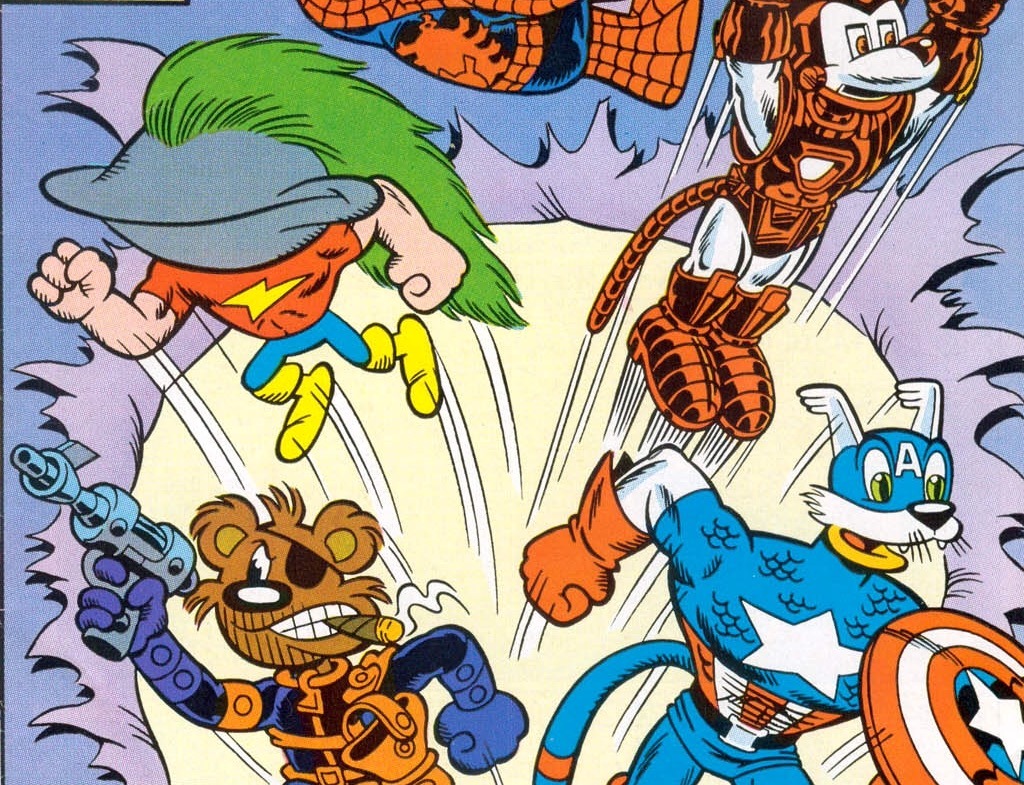
Anthropomorphic protagonists endure because they are, at their core, mirrors. They reflect our best and worst traits back at us, but with a twist—they make those traits *visible*, *exaggerated*, and *excusable*. They allow us to laugh at our flaws, to cheer for our virtues, and to explore parts of ourselves we might otherwise suppress. In a world that often feels fragmented and overwhelming, these hybrid beings offer a rare kind of clarity. They remind us that humanity isn’t confined to skin and bone. It’s in the howl of the wolf, the cunning of the fox, and the quiet resilience of the bear. And perhaps, in recognizing that, we find a little more of ourselves reflected back.