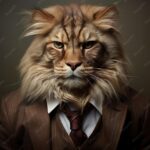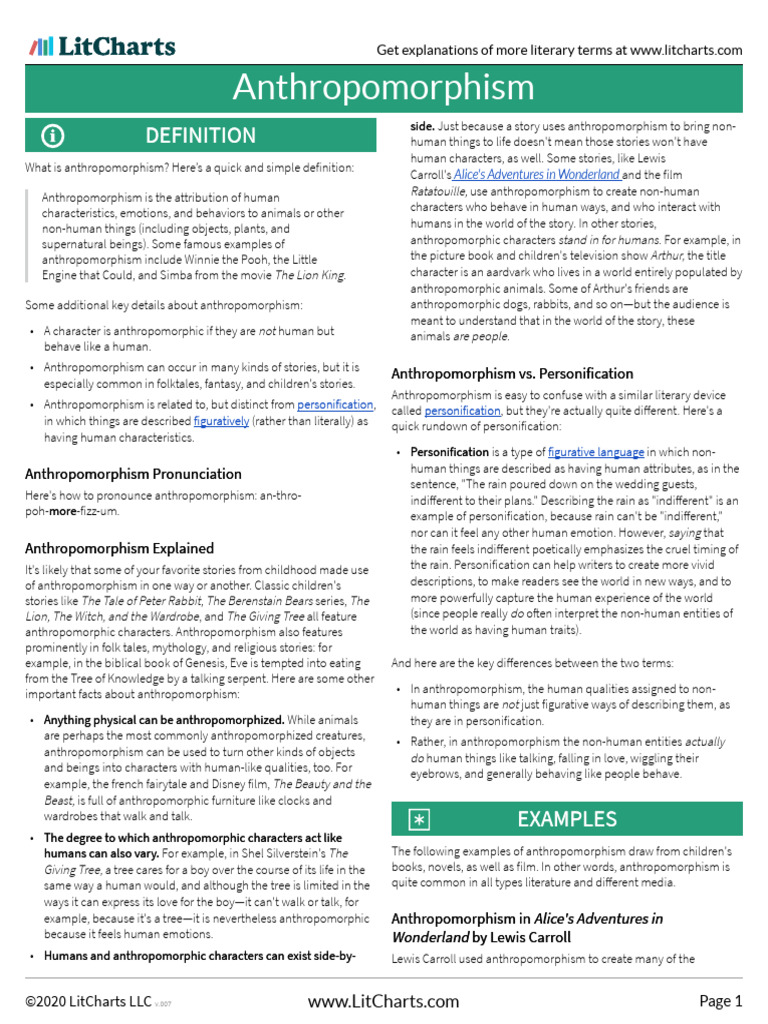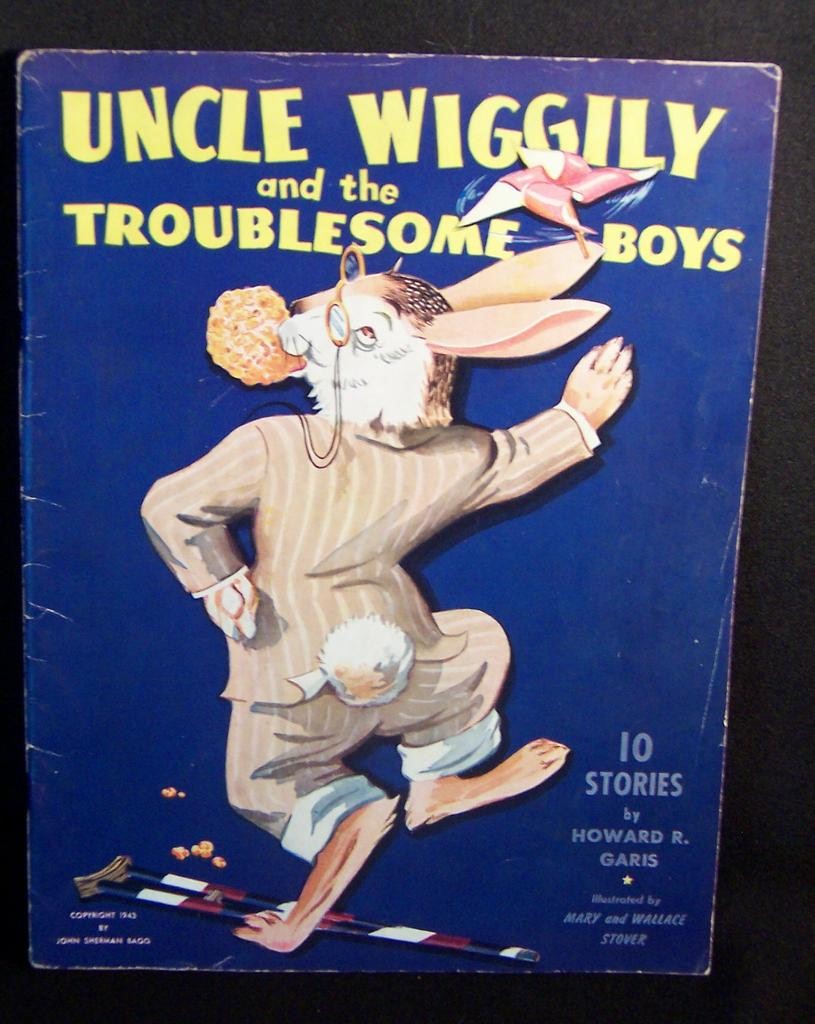
In the enchanted realm of children’s literature, where imagination unfurls its wings without restraint, anthropomorphism emerges as a luminous thread weaving magic into the fabric of storytelling. It is the alchemy that transforms inanimate objects, animals, and even abstract concepts into characters brimming with personality, emotion, and agency. This narrative device does more than entertain; it nurtures empathy, demystifies the world, and invites young readers into a dialogue with the unfamiliar. Through the lens of anthropomorphism, a teapot might scold a tardy guest, a fox might outwit a lumbering bear, and a lonely cloud might drift across the sky in search of friendship. These are not mere flights of fancy—they are the building blocks of a child’s emotional and cognitive landscape, sculpted with care by authors who understand the profound impact of giving voice to the voiceless.
The Alchemy of Giving Life to the Inert
Anthropomorphism is the ancient art of breathing soul into the inanimate, a practice as old as human storytelling itself. When a child first encounters a grumbling teapot in Beauty and the Beast or a chattering broom in Fantasia, they are not merely observing a clever trick of animation—they are witnessing the metamorphosis of the ordinary into the extraordinary. This transformation is not arbitrary; it is rooted in the human tendency to project our inner lives onto the external world, a cognitive phenomenon known as pareidolia. Children, with their unfiltered curiosity, are particularly susceptible to this enchantment. A chair becomes a confidant, a lamp a silent guardian, and a shadow a mischievous companion. This process of endowment fosters a sense of connection, turning the mundane into a playground of possibilities.
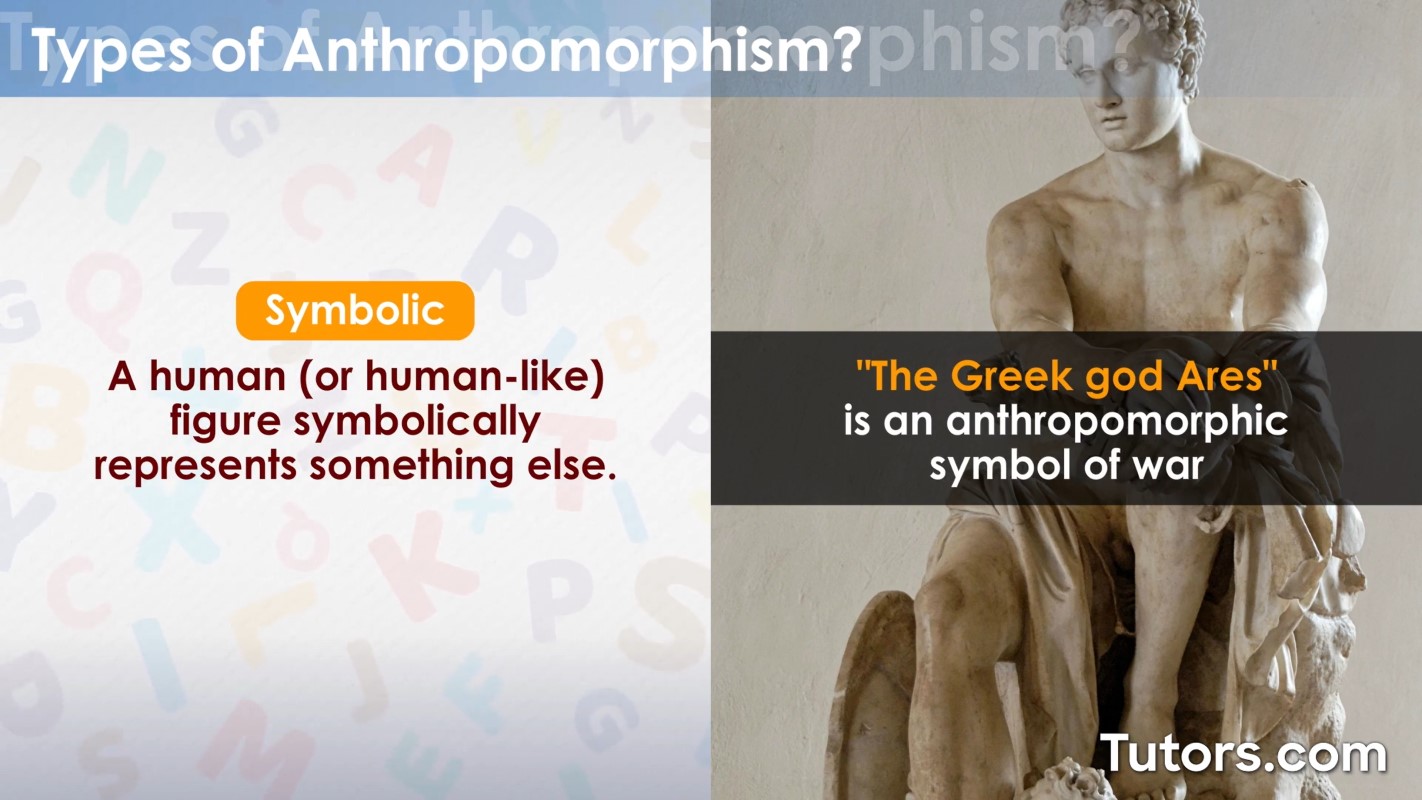
The power of anthropomorphism lies in its ability to simplify complexity. Abstract ideas—such as time, death, or the passage of seasons—become tangible when embodied in characters. Consider the Grim Reaper, often depicted as a cloaked figure with a scythe, a personification that renders the concept of mortality less daunting for young minds. Similarly, the seasons might be cast as quarrelsome siblings or playful dancers, their cyclical nature rendered vivid through narrative conflict. By externalizing these ideas, anthropomorphism transforms them from abstract threats into manageable, even delightful, entities.
Empathy Forged in the Crucible of Character
One of the most profound gifts of anthropomorphism is its capacity to cultivate empathy. When a child reads about a lonely dragon longing for a friend or a tree yearning for spring, they are not just following a plot—they are stepping into another’s shoes, if only metaphorically. This emotional transference is the cornerstone of social-emotional learning, a process that shapes a child’s ability to understand and share the feelings of others. Studies in developmental psychology suggest that children who engage with anthropomorphic narratives demonstrate greater emotional intelligence and prosocial behavior. The act of identifying with a non-human character allows them to explore complex emotions—jealousy, courage, grief—without the weight of personal stakes.
Consider the enduring appeal of The Wind in the Willows, where Mole, Rat, Toad, and Badger navigate the trials of friendship and adventure. Each character embodies distinct traits: Mole is timid yet curious, Toad is impulsive and vain, and Badger is steadfast and wise. Through their interactions, children learn that differences can coexist harmoniously, and that growth often requires confronting one’s flaws. Anthropomorphism, in this context, becomes a mirror reflecting the child’s own emotional landscape, offering both solace and guidance.
The Moral Compass Hidden in Fable and Folklore
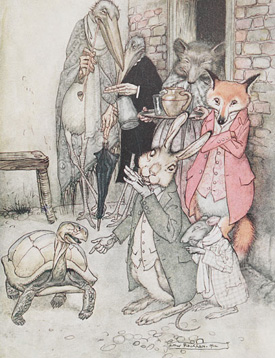
Long before the advent of modern children’s literature, anthropomorphism thrived in fables and folklore, serving as a vehicle for moral instruction. Aesop’s fables, with their talking animals, are perhaps the most iconic examples. In The Tortoise and the Hare, the hare’s arrogance and the tortoise’s perseverance are not abstract virtues—they are embodied in characters whose actions carry tangible consequences. This narrative device ensures that moral lessons are not preached but experienced, etched into the child’s memory through the vividness of character and conflict.
In contemporary works like Charlotte’s Web, E.B. White masterfully employs anthropomorphism to explore themes of life, death, and sacrifice. Wilbur the pig and Charlotte the spider are not just animals; they are mirrors of human vulnerability and resilience. Charlotte’s selfless act of saving Wilbur through her web-spun words resonates deeply because it is framed in a language children understand—loyalty, kindness, and the bittersweet nature of existence. Such stories do not merely entertain; they plant seeds of ethical awareness that can blossom into lifelong values.
The Bridge Between Fantasy and Reality
Anthropomorphism serves as a liminal space where fantasy and reality blur, allowing children to process the world around them with a sense of wonder and control. When a child reads about a talking bear teaching life lessons in Winnie-the-Pooh, they are not just escaping into a whimsical forest—they are engaging with the idea that wisdom can come from unexpected sources. This blurring of boundaries is particularly potent in helping children navigate fears and anxieties. A thunderstorm might be personified as a grumpy giant, its rumbling voice a metaphor for the child’s own unease, rendering the intangible tangible and, therefore, less intimidating.
The appeal of anthropomorphism also lies in its ability to democratize the world of stories. Unlike human characters, who are often bound by cultural or societal norms, anthropomorphized beings can transcend these limitations. A mouse can outwit a lion, a teapot can host a grand ball, and a snowman can melt into a puddle of tears. This subversion of expectations fosters creativity and encourages children to question the status quo. It teaches them that rules are not immutable, that the underdog can triumph, and that even the smallest voice can command attention.
The Language of Symbolism and Subtext
Beneath the surface of anthropomorphic narratives lies a rich tapestry of symbolism, where every character and setting carries layers of meaning. In The Little Engine That Could, the titular engine embodies the spirit of perseverance, its repeated mantra—“I think I can”—a testament to the power of positive self-talk. The steep mountain it must climb becomes a metaphor for any challenge a child might face, from academic struggles to social conflicts. This layering of meaning ensures that anthropomorphic stories resonate across ages, offering new insights with each reading.
Consider the use of color in anthropomorphic tales. A red character might symbolize passion or danger, while a blue one could represent calm or melancholy. In Blueberries for Sal, the juxtaposition of Sal and the bear cub—both gathering berries—highlights the innocence of childhood and the universal joy of simple pleasures. The anthropomorphic elements here are not just decorative; they are integral to the story’s emotional resonance, inviting readers to decode the hidden language of symbols.
The Evolution of Anthropomorphism in Modern Children’s Literature
While anthropomorphism has ancient roots, its expression in modern children’s literature is as diverse as the imaginations that fuel it. Contemporary authors often blend traditional tropes with innovative twists, creating narratives that reflect the complexities of the modern world. In The Day the Crayons Quit, Duncan’s crayons are not merely tools; they are sentient beings with grievances and personalities, each color representing a different facet of human emotion and experience. This playful yet poignant exploration of individuality and self-expression resonates deeply in an era where children are encouraged to embrace their uniqueness.
Similarly, Dragons Love Tacos subverts the traditional dragon trope, casting these mythical creatures as enthusiastic, if slightly reckless, consumers of spicy cuisine. The humor and absurdity serve as a Trojan horse for themes of friendship and shared experiences, proving that anthropomorphism can be both a vehicle for laughter and a tool for introspection. Modern authors also use anthropomorphism to address pressing social issues, such as environmentalism in The Lorax, where the titular character speaks for the trees, or diversity in Sulwe, where the protagonist’s journey is framed through the metaphor of skin color and self-acceptance.
The Timeless Allure of the Uncanny
At its core, anthropomorphism taps into the uncanny—the eerie yet fascinating phenomenon of encountering the familiar in the unfamiliar. When a child sees their reflection in the eyes of a character who is not quite human, they are confronted with a paradox that sparks curiosity and wonder. This duality is what makes anthropomorphic stories so enduring. They are neither entirely real nor entirely fantastical, existing in a liminal space that invites exploration and interpretation.
The appeal of the uncanny is also tied to the child’s developmental stage. Young children are still grappling with the boundaries between self and other, reality and imagination. Anthropomorphism provides a safe space to explore these boundaries, allowing them to project their inner world onto external entities. This process is not just a cognitive exercise; it is an emotional one, fostering a sense of agency and control in a world that often feels overwhelming.
In the end, anthropomorphism in children’s books is more than a narrative device—it is a bridge between the known and the unknown, the human and the non-human, the real and the imagined. It is the whisper of the wind in the willows, the chatter of the teacups, the silent tears of a melting snowman. Through these enchanting encounters, children learn to navigate the complexities of life with empathy, creativity, and an unshakable sense of wonder. As they grow, these stories remain etched in their memories, not as mere tales, but as the first whispers of a language they will carry with them into adulthood—a language of metaphor, symbolism, and boundless possibility.