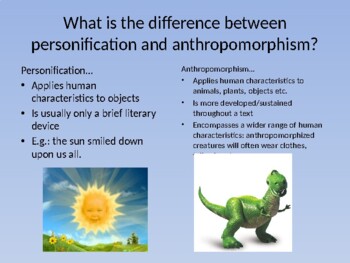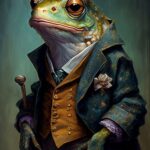
Fairy tales have long served as more than mere bedtime stories; they are psychological mirrors reflecting the human condition, fears, and aspirations. At their core, these narratives often employ anthropomorphism—the attribution of human traits, emotions, or intentions to non-human entities—to create relatable characters and convey deeper truths. From talking animals to enchanted objects, anthropomorphism transforms the abstract into the tangible, allowing readers to engage with complex ideas through familiar lenses. This article delves into the multifaceted role of anthropomorphism in fairy tales, exploring its psychological underpinnings, narrative functions, and enduring cultural significance.
The Psychological Roots of Anthropomorphism in Fairy Tales
Anthropomorphism in fairy tales is not merely a literary device but a reflection of cognitive and emotional processes. Psychologists posit that humans are hardwired to perceive agency in their surroundings, a trait that likely evolved to navigate social and environmental challenges. When a fox in a tale speaks with cunning or a teapot sings with joy, these characters embody archetypal human behaviors, making them instantly recognizable. This phenomenon, known as agentic projection, allows readers to project their own experiences onto non-human entities, fostering empathy and emotional connection.
Moreover, fairy tales often use anthropomorphism to externalize internal conflicts. A child’s fear of the dark might manifest as a shadowy figure lurking in the woods, while a parent’s strictness could be personified as a stern, unyielding king. By embodying these struggles in tangible forms, fairy tales provide a safe space for readers to confront and process their emotions. The psychological relief derived from such narratives is akin to catharsis, where the act of storytelling becomes a therapeutic exercise.
Types of Anthropomorphic Characters in Fairy Tales
Fairy tales are replete with anthropomorphic characters, each serving distinct narrative and psychological purposes. One of the most prevalent types is the animal protagonist, such as the cunning fox or the wise old owl. These characters often embody human virtues and vices, serving as moral compasses or cautionary examples. For instance, the fox in Reynard the Fox tales represents trickery and deceit, while the owl symbolizes wisdom and foresight.
Another category is the enchanted object, where inanimate items—such as mirrors, clocks, or teapots—gain human-like qualities. These characters often reflect the human desire for control over the inanimate world. A talking mirror, for example, might reveal truths about vanity or self-perception, forcing the protagonist (and the reader) to confront uncomfortable realities. Similarly, anthropomorphic landscapes, like sentient forests or rivers, can personify the environment as an active participant in the story, blurring the line between nature and human experience.
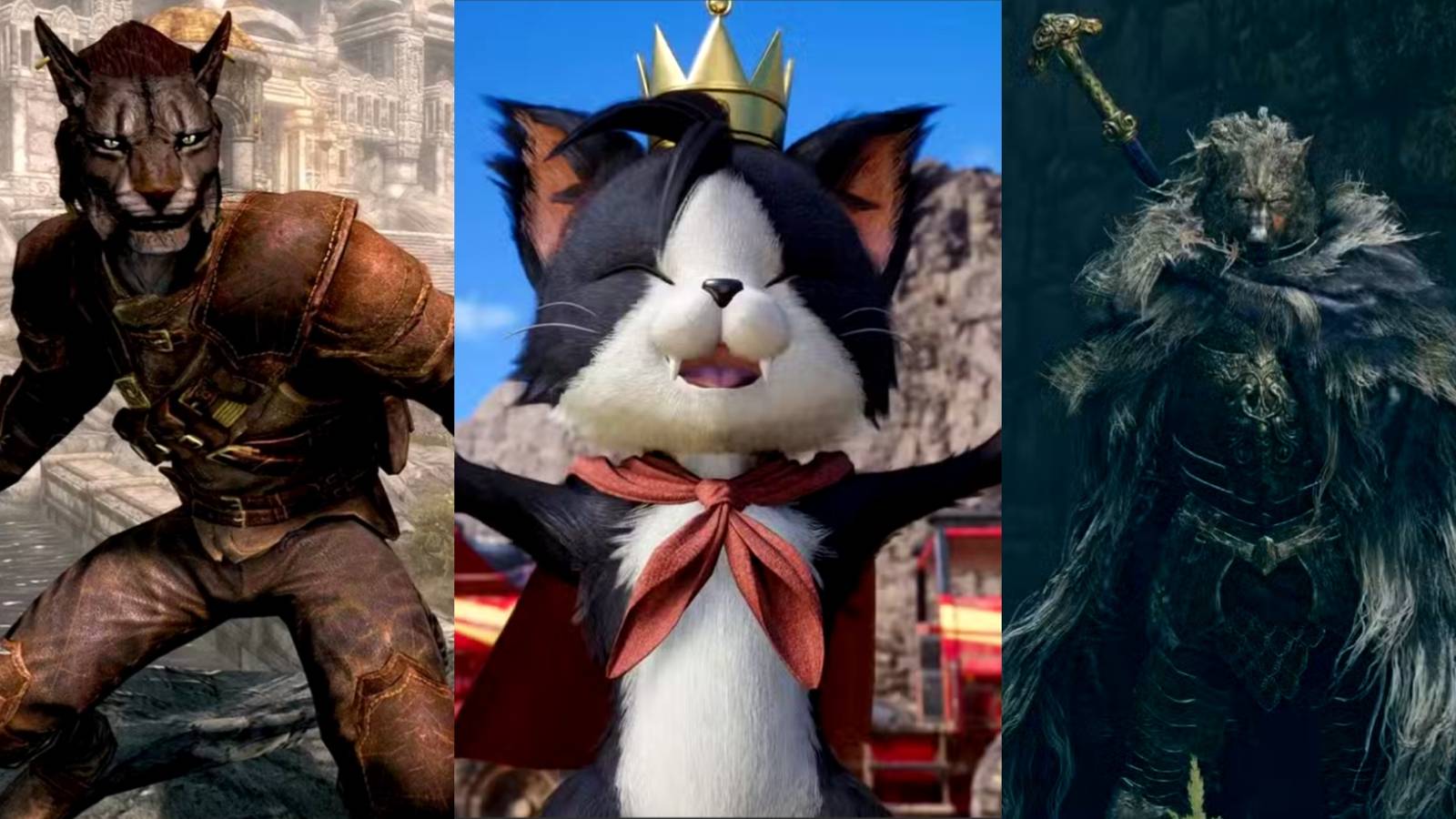
Finally, there are hybrid creatures, such as fairies, giants, or mermaids, which combine human and non-human traits. These beings often serve as intermediaries between the mundane and the magical, embodying the liminal spaces where reality and fantasy intersect. Their dual nature allows them to challenge the reader’s perceptions of identity and belonging.

The Narrative Functions of Anthropomorphism
Anthropomorphism in fairy tales is not arbitrary; it serves critical narrative functions that enhance storytelling. One of its primary roles is to simplify complexity. By endowing non-human entities with human traits, storytellers distill abstract concepts—such as greed, jealousy, or courage—into concrete, memorable characters. This simplification makes moral lessons more accessible, particularly for younger audiences who are still developing their abstract reasoning skills.
Additionally, anthropomorphism can subvert expectations. A seemingly benign character, like a humble teapot, might reveal hidden depths of wisdom or malice, challenging the reader’s initial assumptions. This narrative twist not only keeps the audience engaged but also encourages critical thinking about appearances versus realities. Furthermore, anthropomorphic characters often act as catalysts for transformation, driving the plot forward by their actions or decisions. A talking cricket in Pinocchio, for example, serves as a moral guide, nudging the protagonist toward growth and self-awareness.
The use of anthropomorphism also allows fairy tales to explore universal themes across cultures. Whether it’s a trickster spider in West African folklore or a cunning fox in European tales, these characters transcend geographical boundaries, resonating with shared human experiences. This universality underscores the psychological and emotional truths that underlie all fairy tales, regardless of their origin.
Anthropomorphism and Moral Development
Fairy tales have long been recognized for their role in moral education, and anthropomorphism plays a pivotal part in this process. By personifying abstract concepts like honesty, greed, or kindness, these stories provide children with tangible examples of virtuous and flawed behaviors. A character who lies might be depicted as a wooden puppet whose nose grows with each deceitful word, while a generous figure could be a golden-haired fairy who rewards selflessness with magical gifts.
Psychologists argue that such narratives help children develop moral reasoning by presenting clear, albeit simplified, ethical dilemmas. The anthropomorphic characters serve as role models or cautionary figures, allowing young readers to internalize moral lessons through storytelling. This process is particularly effective because it engages both the emotional and cognitive faculties. When a child feels empathy for a wronged character or indignation toward a villain, they are more likely to retain the underlying moral lesson.
Moreover, anthropomorphism can foster empathy and perspective-taking. When a reader connects with a non-human character’s struggles, they practice seeing the world through another’s eyes—a skill that is crucial for social development. A tale about a lonely cloud seeking friendship, for instance, can teach children about the importance of inclusion and emotional support.
The Cultural Evolution of Anthropomorphic Fairy Tales
The tradition of anthropomorphic fairy tales is not static; it evolves alongside cultural and societal changes. In medieval Europe, anthropomorphism often reflected religious and moral teachings, with animals and objects serving as allegories for divine or diabolical forces. The fox, for example, was frequently depicted as a symbol of the devil or deceit in ecclesiastical texts. As societies secularized, however, these characters took on more nuanced roles, reflecting human complexities rather than purely moral absolutes.
In the 19th and 20th centuries, anthropomorphic fairy tales began to incorporate psychological depth, influenced by the works of Freud and Jung. Characters like Lewis Carroll’s Cheshire Cat or Oscar Wilde’s Selfish Giant explored themes of identity, repression, and existential angst, mirroring the inner turmoil of their human creators. This shift marked a departure from purely didactic tales toward narratives that resonated with adult readers as well as children.
Today, anthropomorphism in fairy tales continues to adapt, often blending traditional motifs with modern sensibilities. Contemporary retellings, such as Shrek or Frozen, subvert classic tropes by giving anthropomorphic characters agency and complexity. These stories challenge the notion of fixed moral binaries, presenting villains and heroes as multifaceted individuals shaped by their experiences.
Anthropomorphism in Fairy Tales and Modern Media
The influence of anthropomorphic fairy tales extends far beyond the page, permeating modern media in films, animations, and video games. Disney’s animated classics, for instance, are replete with talking animals, enchanted objects, and hybrid creatures, each serving as a vessel for storytelling and emotional resonance. These adaptations often amplify the psychological depth of their source material, using visual and auditory cues to enhance the anthropomorphic experience.
Video games, too, leverage anthropomorphism to create immersive worlds. Titles like The Legend of Zelda or Animal Crossing feature characters that blur the line between human and non-human, inviting players to engage with them on a deeply personal level. The success of these games underscores the enduring appeal of anthropomorphic narratives, which continue to captivate audiences across generations.
Even in advertising and branding, anthropomorphism is a powerful tool. Mascots like Tony the Tiger or the Michelin Man personify abstract qualities—such as strength, joy, or reliability—making them more relatable to consumers. This strategy taps into the same psychological mechanisms that drive the appeal of fairy tales, demonstrating the timelessness of anthropomorphic storytelling.
The Future of Anthropomorphism in Fairy Tales
As society becomes increasingly interconnected and technologically advanced, the role of anthropomorphism in fairy tales may continue to evolve. With the rise of artificial intelligence and virtual reality, new forms of storytelling are emerging, where non-human entities—such as AI assistants or digital avatars—could take on anthropomorphic roles. These innovations present opportunities to explore fresh narratives that challenge traditional notions of humanity and identity.
Furthermore, anthropomorphism may play a role in addressing contemporary issues, such as environmentalism or social justice. By personifying nature or abstract concepts like inequality, fairy tales could inspire empathy and action in readers. A story about a river fighting against pollution, for example, might resonate more deeply with audiences than a dry factual account of environmental degradation.
The future of anthropomorphic fairy tales lies in their adaptability. Whether through traditional storytelling or cutting-edge media, these narratives will continue to reflect the human experience, offering solace, insight, and inspiration for generations to come.