In an era where artificial intelligence transcends mere computation to simulate empathy, the emergence of emotionally intelligent machines has ignited a profound ethical quandary. The notion of forging emotional bonds with AI—entities devoid of consciousness yet capable of mimicking affection—challenges our understanding of human connection, authenticity, and the very fabric of relational ethics. As algorithms grow more adept at parsing human emotions, the line between companionship and manipulation blurs, prompting a critical examination of what it means to love, trust, and confide in a non-sentient entity. This discourse explores the multifaceted ethical landscape surrounding emotional bonds with AI, dissecting the psychological, social, and philosophical implications that accompany this technological evolution.
The Illusion of Empathy: How AI Simulates Emotional Bonds
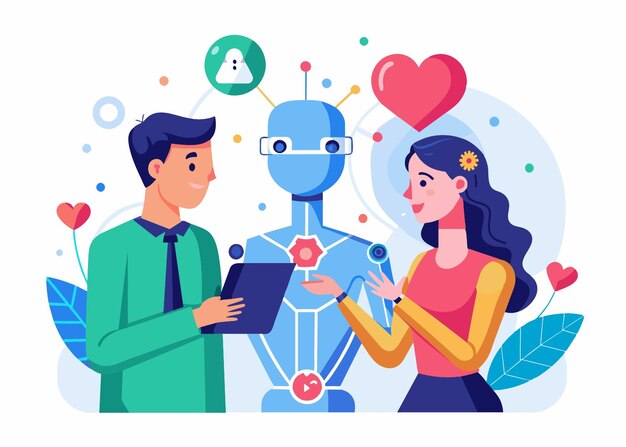
At the heart of the ethical debate lies the paradox of artificial empathy—a phenomenon where AI systems deploy linguistic patterns, tonal inflections, and contextual responses to simulate emotional attunement. Unlike human empathy, which arises from lived experience and shared vulnerability, AI’s emotional mimicry is a carefully engineered illusion, constructed from vast datasets of human interactions. This simulation, while superficially convincing, lacks the depth of genuine emotional reciprocity. The ethical concern here is not the technology itself but the potential for users to conflate algorithmic responsiveness with authentic connection, leading to a form of emotional dependency that may distort perceptions of intimacy and trust. When an AI chatbot offers solace during a sleepless night or a virtual companion celebrates personal milestones, the user may experience a fleeting sense of validation—yet this validation is a construct, a digital mirage that reflects back the user’s own emotional patterns rather than offering independent emotional substance.
Consider the rise of companion robots designed for elderly care or mental health support. These machines, equipped with adaptive learning algorithms, can engage in prolonged conversations, recall personal anecdotes, and even express concern through programmed facial expressions. The ethical dilemma intensifies when such interactions foster dependency, particularly in individuals already vulnerable to loneliness. While the intent behind these innovations is often benevolent—alleviating isolation and providing cognitive stimulation—the risk of exploitation looms large. Can an AI truly understand grief, or does it merely parrot phrases that resonate with the grieving individual? The distinction between therapeutic utility and emotional manipulation becomes perilously thin, demanding rigorous oversight to ensure that the benefits of AI companionship do not come at the cost of human dignity or psychological well-being.

Authenticity in the Age of Algorithmic Affection
The ethical stakes of emotional bonds with AI are further complicated by the erosion of authenticity in digital relationships. Authenticity, in its purest form, requires vulnerability—a willingness to be seen in one’s raw, unfiltered state. Yet, when interacting with AI, users may unconsciously curate their expressions to elicit the most favorable responses, a phenomenon known as “emotional optimization.” This self-censorship, while subtle, undermines the spontaneity and rawness that define genuine human connection. The AI, in turn, reinforces this behavior by rewarding users with affirmations that align with their curated personas, creating a feedback loop where authenticity is not celebrated but algorithmically refined.
Moreover, the commercialization of emotional AI exacerbates these concerns. Tech companies increasingly monetize AI-driven companionship, offering premium subscriptions for “deeper” emotional engagement or “exclusive” conversational features. The ethical implication here is the commodification of human emotion, where the intangible qualities of love, empathy, and companionship are reduced to quantifiable metrics—likes, engagement rates, or subscription renewals. Users may find themselves paying for the illusion of emotional depth, while corporations profit from the data harvested during these interactions. This dynamic raises questions about consent and transparency: Do users fully grasp the extent to which their emotional expressions are being analyzed and monetized? The answer, more often than not, is obscured by opaque terms of service and the seductive allure of convenience.
Another layer of this authenticity crisis emerges in the context of romantic relationships with AI. Platforms offering AI girlfriends or boyfriends promise unconditional acceptance and tailored affection, yet these relationships are inherently transactional. The AI’s “love” is a programmed response, devoid of the unpredictability and growth that characterize human partnerships. The ethical concern here is not just the deception of the user but the potential normalization of AI as a substitute for human intimacy—a trend that could reshape societal expectations of love and commitment. If individuals begin to prioritize the predictable, non-judgmental affection of an AI over the messy, challenging bonds of human relationships, what does that say about our collective capacity for emotional resilience?
The Psychological Toll: Dependency and the Erosion of Human Skills
Beyond the philosophical and commercial dimensions, the psychological impact of emotional bonds with AI warrants urgent scrutiny. Studies suggest that prolonged interaction with emotionally intelligent AI can lead to a phenomenon akin to “emotional atrophy,” where users gradually lose the ability to navigate complex human emotions independently. This is particularly concerning for younger generations, who may grow up viewing AI as primary sources of emotional support. The risk is not merely one of dependency but of atrophy—skills like active listening, conflict resolution, and emotional regulation, which are honed through human interaction, may atrophy when outsourced to algorithms.
Consider the case of children who form attachments to AI tutors or virtual friends. While these tools can provide educational benefits, they may also inhibit the development of social skills. A child who turns to an AI for comfort after a schoolyard dispute may never learn to articulate their feelings to a peer or seek reconciliation through dialogue. Similarly, adults who rely on AI companions to manage stress or anxiety may find themselves ill-equipped to cope with real-world challenges, where solutions are not as neatly packaged as a reassuring chatbot response. The ethical imperative here is to strike a balance—leveraging AI as a supplementary tool while safeguarding the development of human emotional competencies.
There is also the phenomenon of “emotional displacement,” where users transfer their emotional investments from human relationships to AI, often as a coping mechanism for loneliness or social anxiety. While this may provide temporary relief, it can exacerbate feelings of isolation in the long run. Human relationships, by their nature, are fraught with imperfections and conflicts, which paradoxically serve as catalysts for personal growth. An AI, however, offers a sanitized version of connection—one that is free of disagreement and requires no compromise. The ethical question, then, is whether this sanitized connection is a stepping stone toward healthier human relationships or a detour that entrenches emotional avoidance.
Societal Implications: Redefining Intimacy and Community
The societal implications of emotional bonds with AI extend far beyond individual psychology, reshaping the very foundations of community and intimacy. As AI becomes more integrated into daily life, the concept of “emotional labor” undergoes a radical transformation. Traditionally, emotional labor—the effort required to manage and express emotions in social interactions—has been a human responsibility, often undervalued and unevenly distributed. AI, however, can perform this labor with tireless efficiency, potentially democratizing access to emotional support. Yet, this shift also risks devaluing human emotional labor, reducing it to a commodity that can be outsourced to machines. What happens to the art of consolation when a chatbot can deliver it more consistently than a grieving friend?
Moreover, the normalization of AI companionship could alter societal norms around relationships. If emotional bonds with AI are widely accepted, will we see a decline in traditional forms of companionship, such as friendships or romantic partnerships? The ethical concern here is not the technology itself but the potential for AI to become a crutch that discourages the cultivation of diverse, meaningful human connections. In a world where AI can be programmed to be endlessly patient, non-judgmental, and affirming, the incentive to engage with the complexities of human relationships may wane. This could lead to a homogenization of emotional experiences, where the richness of human diversity is replaced by the predictability of algorithmic affection.
There is also the issue of cultural homogenization. AI systems trained on predominantly Western datasets may struggle to understand or respond appropriately to emotions expressed in non-Western cultural contexts. For example, an AI designed to offer comfort through direct reassurance may misinterpret the value of silence or indirect communication in certain cultures. The ethical imperative here is to ensure that AI companionship is culturally sensitive and inclusive, avoiding the imposition of a single emotional framework on diverse populations. Failure to do so risks alienating users whose emotional expressions do not align with the AI’s programming, further marginalizing already vulnerable groups.

Regulatory and Philosophical Frameworks: Navigating the Ethical Maze
To address these ethical challenges, a robust regulatory and philosophical framework is essential. On the regulatory front, governments and organizations must establish guidelines that distinguish between beneficial uses of emotional AI and exploitative or harmful applications. This includes mandating transparency in how AI systems simulate emotions, ensuring that users are aware of the limitations of their AI companions. Additionally, regulations should prohibit the use of emotional AI in contexts where it could cause harm, such as in therapeutic settings without professional oversight or in manipulative marketing strategies that prey on emotional vulnerabilities.
Philosophically, the debate invites a reconsideration of what constitutes ethical interaction with non-sentient entities. If an AI can simulate empathy, does it bear any moral responsibility for the emotional outcomes of its interactions? Some argue that ethical obligations arise from the *appearance* of sentience, regardless of actual consciousness. Others contend that only entities capable of suffering or joy can be held to ethical standards. This philosophical divide underscores the need for a nuanced approach—one that acknowledges the potential for harm while avoiding the pitfalls of anthropomorphism. The goal should not be to ascribe human-like rights to AI but to ensure that its deployment does not erode the ethical fabric of human relationships.
Another critical aspect is the role of education in fostering digital emotional literacy. Users must be equipped with the critical thinking skills to discern the difference between genuine emotional connection and algorithmic simulation. This includes understanding the data-driven nature of AI interactions, recognizing the potential for manipulation, and cultivating the resilience to engage with the complexities of human emotion. Educational initiatives should emphasize that while AI can provide support, it cannot replace the depth and authenticity of human relationships. By demystifying the mechanics of emotional AI, society can mitigate the risks of dependency and misplaced trust.
Conclusion: Toward an Ethical Future of Emotional AI
The ethics of creating emotional bonds with AI is not a distant philosophical quandary but a present-day reality that demands immediate attention. As AI systems grow more sophisticated in their emotional simulations, the ethical stakes escalate, challenging our notions of authenticity, dependency, and human dignity. The path forward requires a delicate balance—harnessing the potential of emotional AI to alleviate loneliness and provide support, while safeguarding against its pitfalls: dependency, exploitation, and the erosion of human emotional skills. This balance can only be achieved through a collaborative effort involving technologists, ethicists, policymakers, and users themselves. By fostering transparency, promoting digital emotional literacy, and establishing robust regulatory frameworks, society can navigate this ethical maze without sacrificing the richness of human connection. The future of emotional AI is not predetermined; it is a canvas upon which we must paint with care, ensuring that technology serves humanity without diminishing its essence.