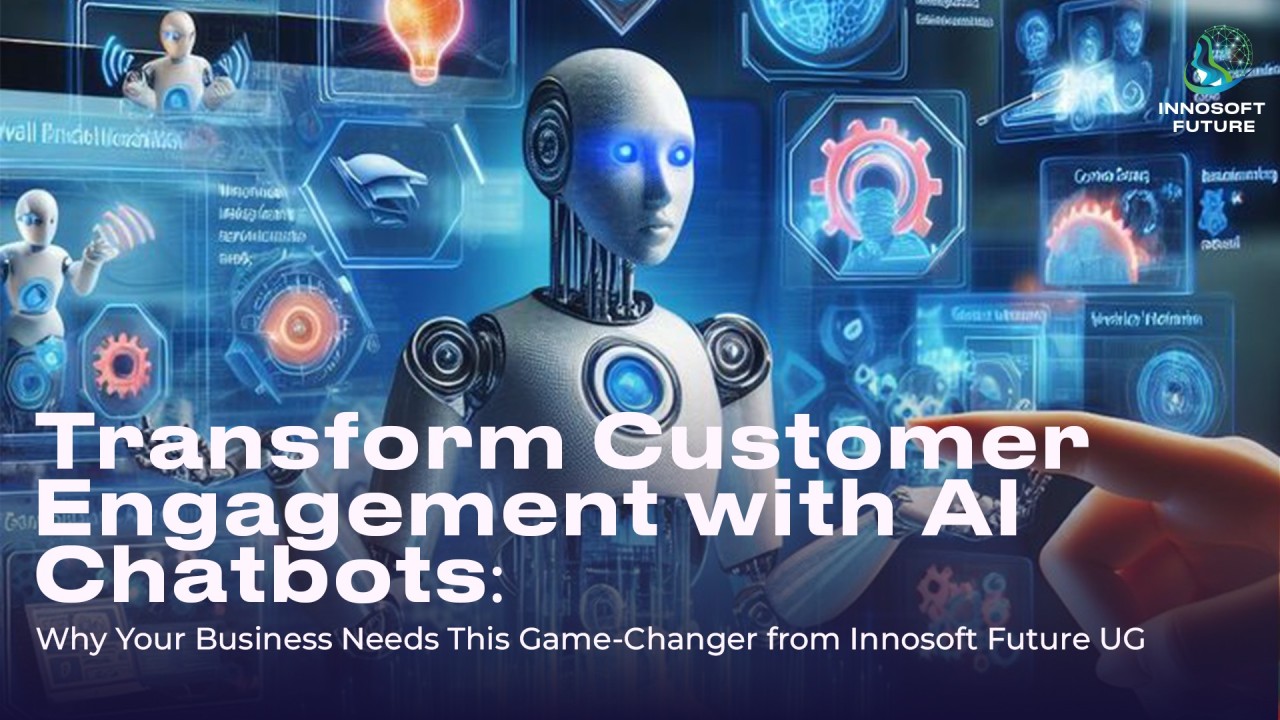
In the ever-evolving landscape of artificial intelligence, one phenomenon stands out as both a curiosity and a catalyst for adoption: anthropomorphism. The tendency to ascribe human-like qualities to non-human entities is not new, but its intersection with AI has unlocked profound implications for businesses navigating the digital transformation era. As organizations integrate AI into workflows, customer interactions, and decision-making processes, the way these systems are perceived—often as quasi-human agents—shapes their acceptance, effectiveness, and ethical footprint. This narrative explores the multifaceted impact of anthropomorphism on AI adoption in business, unraveling how our innate fascination with human-like traits in machines influences everything from trust to profitability.
The Allure of Human-Like Machines: Why We Anthropomorphize AI
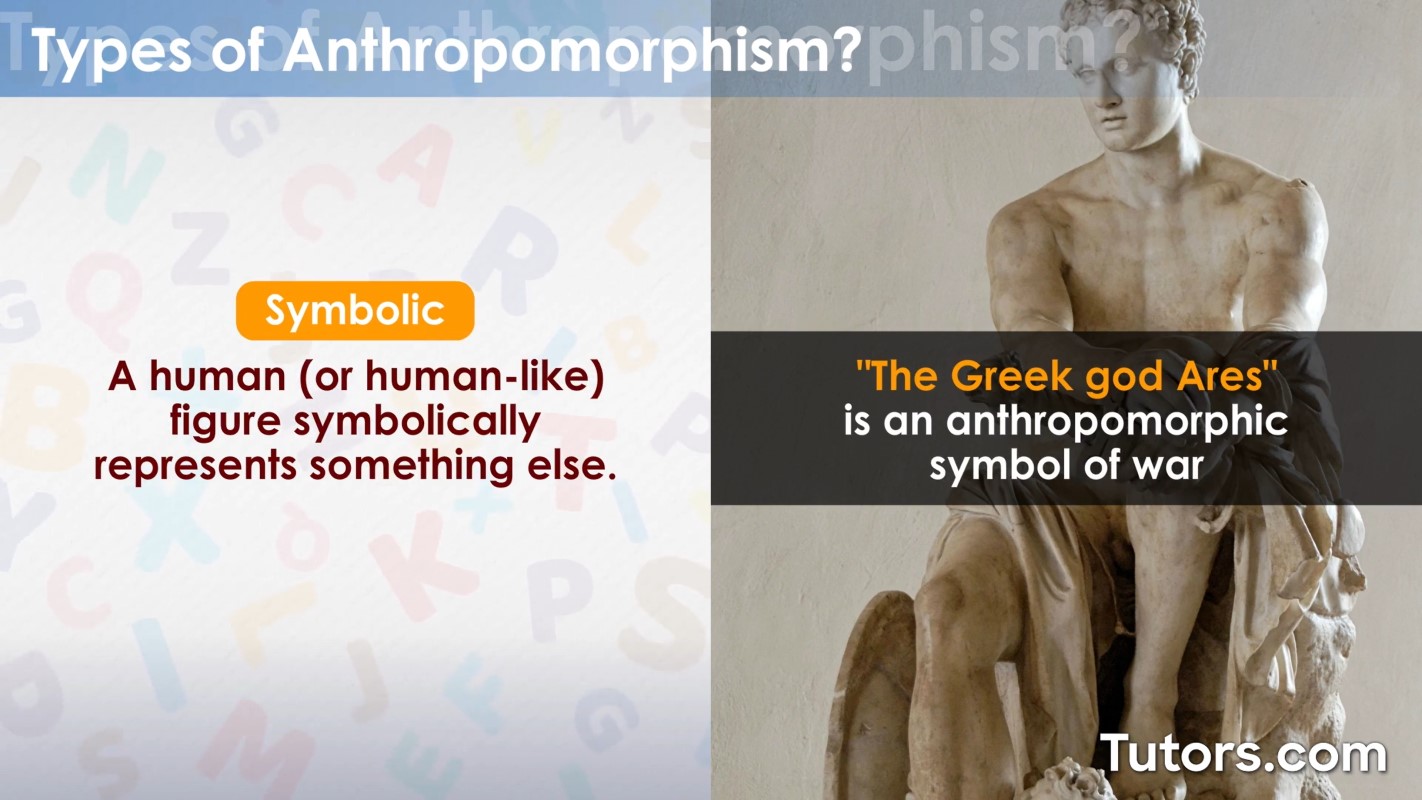
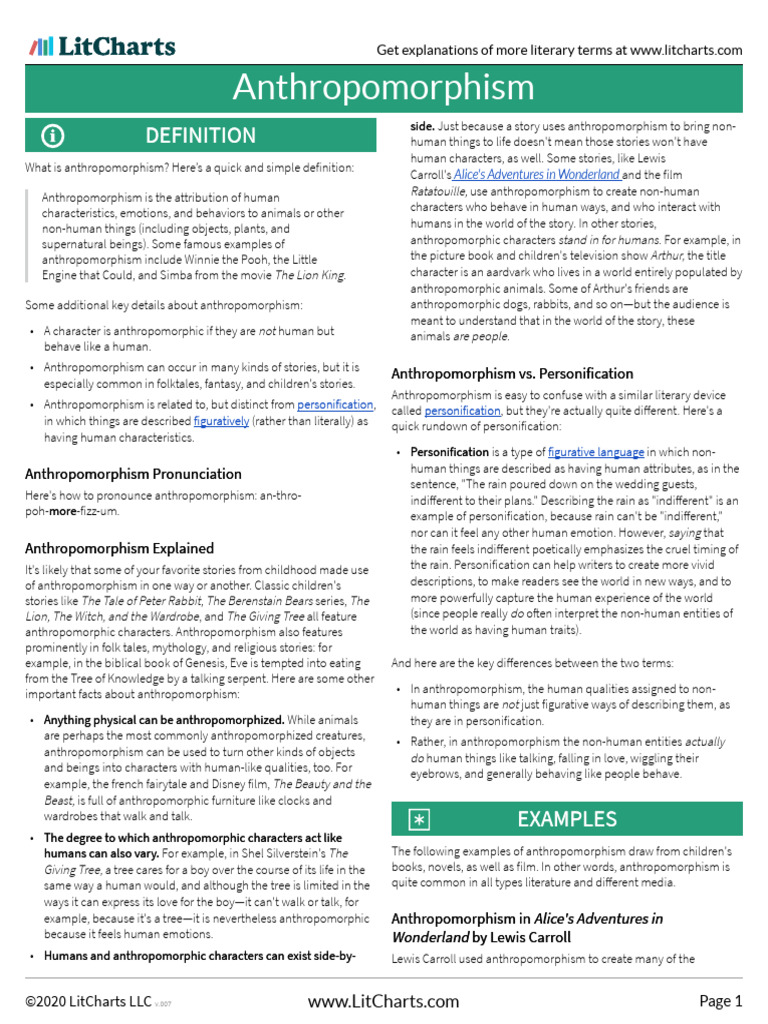
At its core, anthropomorphism is a cognitive shortcut—a mental heuristic that allows us to relate to the unfamiliar by imbuing it with familiar human characteristics. When a chatbot greets us by name or a virtual assistant apologizes for a delay, our brains instinctively interpret these behaviors through the lens of human interaction. This phenomenon isn’t merely whimsical; it’s rooted in evolutionary psychology. Studies suggest that our brains are wired to detect agency and intent, even where none exists, as a survival mechanism. In the context of AI, this translates to a paradox: the more human-like an AI appears, the more intuitive it becomes to engage with, yet the more we risk misattributing its capabilities.
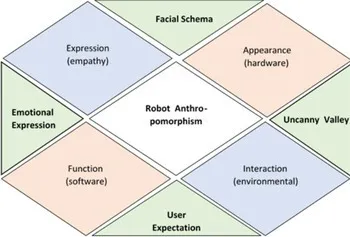
Consider the uncanny valley effect, where AI systems that closely mimic human appearance or behavior evoke discomfort rather than affinity. Businesses must tread carefully here, balancing the benefits of relatability with the pitfalls of overpromising on AI’s human-like qualities. The key lies in strategic anthropomorphism—leveraging human traits where they enhance utility (e.g., empathy in customer service) while avoiding the illusion of sentience where it serves no purpose. This delicate equilibrium determines whether AI is embraced as a tool or rejected as a deception.
Trust and Transparency: The Double-Edged Sword of Human-Like AI
Trust is the linchpin of AI adoption in business, and anthropomorphism can either fortify or fracture it. When AI systems adopt human-like communication styles—using conversational tones, humor, or even empathetic responses—they often feel more approachable, fostering a sense of reliability. However, this trust is precarious. If an AI’s human-like facade is revealed to be a veneer—such as when a customer discovers a chatbot’s limitations—it can erode confidence not just in that system, but in the broader AI initiative. Transparency becomes critical: businesses must clarify the boundaries of AI’s capabilities while still making interactions feel human enough to be engaging.
Moreover, anthropomorphism introduces ethical dilemmas. Should an AI apologize for a mistake if it lacks genuine intent? Can a business ethically deploy an AI that mimics human empathy without possessing it? These questions underscore the need for ethical frameworks that govern the use of human-like traits in AI. Companies like those in healthcare or finance, where trust is paramount, must prioritize ethical anthropomorphism—ensuring that human-like interactions don’t mislead users about the AI’s true nature or capabilities.
Customer Experience: The Emotional ROI of Human-Like AI
The business case for anthropomorphism is perhaps most compelling in customer-facing applications. AI-driven customer service, for instance, has evolved from clunky, scripted responses to dynamic, context-aware interactions that feel almost human. This shift isn’t just about efficiency; it’s about emotional resonance. A well-designed AI can reduce frustration by anticipating needs, personalizing responses, and even injecting a touch of warmth into otherwise transactional exchanges. The result? Higher customer satisfaction, increased loyalty, and, ultimately, a measurable return on investment.
Yet, the emotional ROI isn’t without its challenges. Over-reliance on anthropomorphism can lead to unrealistic expectations. If an AI’s responses are indistinguishable from a human’s, customers may assume it possesses the same depth of understanding or problem-solving ability—leading to disappointment when the AI fails to deliver. Businesses must strike a balance, using anthropomorphism to enhance interactions without crossing into the territory of deception. The goal is to create AI that feels human enough to be engaging, but transparent enough to be trusted.

Operational Efficiency: Anthropomorphism as a Catalyst for Workforce Integration
Beyond customer interactions, anthropomorphism plays a pivotal role in how businesses integrate AI into their internal operations. When AI tools are designed with human-like interfaces—such as voice assistants that respond to natural language or collaborative robots (cobots) that communicate their intentions—employees are more likely to adopt them. This is particularly true in industries where resistance to automation is high, such as manufacturing or logistics. By making AI feel less like a cold, impersonal tool and more like a cooperative partner, businesses can accelerate adoption and reduce the learning curve.
However, anthropomorphism in the workplace isn’t just about ease of use; it’s about cultural acceptance. Employees are more likely to trust and collaborate with AI systems that demonstrate a semblance of understanding or adaptability. For example, an AI that learns from feedback and adjusts its behavior accordingly feels more like a team member than a static tool. This psychological acceptance is crucial for scaling AI initiatives, as it reduces friction in workflows and fosters a culture of innovation. Yet, it also requires businesses to invest in change management strategies that address both the technical and emotional aspects of AI adoption.
The Ethical Quandary: Where Human-Like AI Crosses the Line
As businesses push the boundaries of anthropomorphism, they must confront a host of ethical questions. Is it ethical to deploy an AI that mimics human emotions without possessing them? Can a company justify using an AI that feels empathetic in sales interactions, even if it’s purely a programmed response? These questions extend beyond mere compliance; they touch on the very fabric of corporate responsibility. The line between enhancing user experience and manipulating perceptions is thin, and crossing it can lead to reputational damage, legal repercussions, and a loss of customer trust.
To navigate this ethical landscape, businesses must adopt a principle of “responsible anthropomorphism.” This means designing AI systems that are transparent about their limitations, avoid deception, and prioritize user well-being. For instance, an AI customer service agent should clearly disclose its non-human nature while still providing a human-like experience. Similarly, businesses should avoid using anthropomorphism to exploit cognitive biases—such as making an AI appear more competent than it is—unless there’s a clear, ethical justification. The goal is to harness the power of human-like interactions without compromising integrity.
Future Horizons: The Next Frontier of Anthropomorphic AI
The future of anthropomorphism in AI is poised to become even more sophisticated, with advancements in natural language processing, affective computing, and generative AI pushing the boundaries of what’s possible. Imagine an AI that not only mimics human speech but also adapts its tone based on real-time emotional cues, or a virtual assistant that remembers past interactions with the nuance of a human colleague. These innovations hold immense potential for businesses, from hyper-personalized marketing to emotionally intelligent leadership tools.
Yet, with these advancements come new challenges. As AI becomes more human-like, the risk of over-attachment or emotional dependency increases. Businesses will need to develop guidelines for when and how to deploy anthropomorphic AI, ensuring that it serves as a tool rather than a crutch. Additionally, the regulatory landscape is likely to evolve, with governments and industry bodies imposing stricter rules on the use of human-like AI in sensitive areas like healthcare, finance, and education. Staying ahead of these changes will require a proactive approach to ethics, design, and user education.
The impact of anthropomorphism on AI adoption in business is a testament to the power of human psychology in the digital age. By understanding and leveraging this phenomenon, businesses can create AI systems that are not only functional but also deeply resonant with users. The key lies in balancing innovation with responsibility, ensuring that the human-like qualities of AI enhance rather than obscure its true potential. As we move forward, the businesses that succeed will be those that view anthropomorphism not as a gimmick, but as a strategic tool—one that bridges the gap between technology and humanity.