From the earliest flickers of human consciousness to the digital age of AI and virtual assistants, anthropomorphism—the attribution of human traits, emotions, or intentions to non-human entities—has remained an enduring and captivating phenomenon. It is not merely a literary device or a cognitive shortcut; it is a mirror reflecting our deepest existential inquiries, our fear of the unknown, and our relentless search for meaning in a universe that often feels indifferent. Nowhere is this more evident than in the rich tapestry of global folklore and mythology, where gods, animals, and even inanimate objects are imbued with human qualities, not as fantasy, but as a profound attempt to comprehend the incomprehensible.
The Ubiquity of Human Faces in the Unknown
Consider the constellations. Across cultures, stars are not mere celestial bodies but characters in grand narratives—Orion the hunter, Cassiopeia the vain queen, or the Big Dipper as a celestial plow. This is not mere poetic license. It is a cognitive necessity. When early humans gazed upward, they encountered a vast, silent void. To make sense of it, they projected their own stories onto the cosmos. Anthropomorphism, in this context, was not just a creative flourish; it was a survival mechanism. By giving the heavens human form, our ancestors transformed the terrifying unknown into a familiar landscape, one they could navigate with stories, rituals, and moral lessons.
This impulse is not confined to the celestial. Rivers become serpents in Hindu mythology, whispering secrets to sages. Mountains are revered as ancient beings in Native American traditions, their slopes cradling the bones of the earth. Even storms are not random forces but vengeful spirits, howling their displeasure across the plains. These are not childish imaginings but sophisticated attempts to reconcile the chaos of nature with the order of human experience. By anthropomorphizing the natural world, our ancestors imposed narrative coherence on a universe that offered none.
The Moral Compass of Mythic Beings
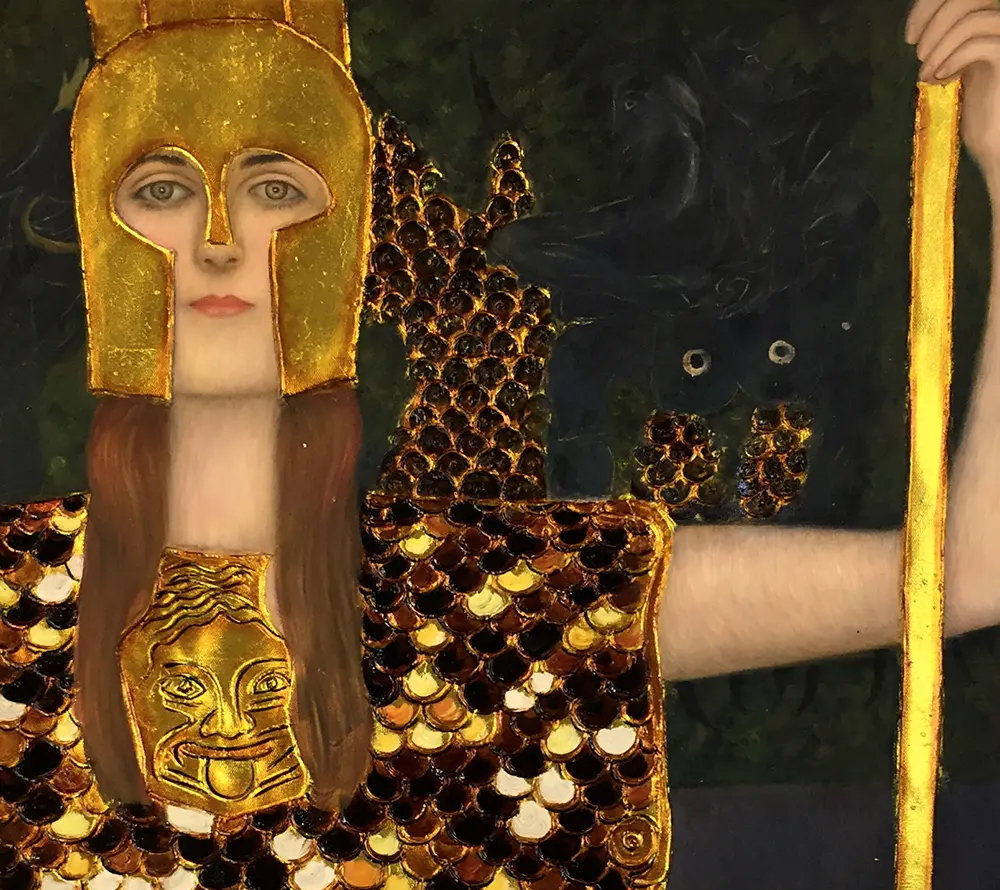
Folklore and mythology are not mere entertainment; they are ethical blueprints. Anthropomorphism serves as a vessel for moral instruction, allowing complex virtues and vices to be embodied in tangible, relatable forms. Take the Greek pantheon, where Zeus embodies both justice and tyranny, Athena wisdom and strategy, and Ares the destructive fury of war. These deities are not abstract concepts but living contradictions, reflecting the nuanced realities of human morality. When Prometheus steals fire from the gods to gift it to humanity, he is not just a trickster; he is a martyr, challenging divine authority for the sake of progress. His story, steeped in anthropomorphic detail, becomes a cautionary tale about hubris and the cost of defiance.
In Japanese folklore, the kitsune—a fox with the power to shapeshift—serves as a dual symbol of trickery and wisdom. Depending on its mood, it may lead travelers astray or bestow blessings upon the worthy. This duality mirrors the human capacity for both deception and enlightenment. Similarly, the Slavic Baba Yaga, a crone who dwells in a hut that walks on chicken legs, is neither wholly benevolent nor malevolent but a force of nature that tests the resolve of those who seek her counsel. These figures are not mere characters; they are living metaphors, their anthropomorphic traits serving as bridges between the abstract and the concrete.
The Psychological Underpinnings of Our Fascination
Why does anthropomorphism resonate so deeply within us? The answer lies in the architecture of the human mind. Cognitive psychology suggests that our brains are wired to detect agency—even where none exists. This “hyperactive agency detection device” evolved to keep us safe. A rustling in the bushes could be the wind, or it could be a predator. Better to assume the latter and react accordingly. This same mechanism, when applied to the cosmos, leads us to see faces in clouds, voices in echoes, and intentions in the movements of the stars. Anthropomorphism, then, is not a flaw in human reasoning but an adaptive feature, honed by millennia of survival.
There is also the matter of emotional resonance. When we anthropomorphize, we do not merely observe; we empathize. A storm is not just a storm; it is a grieving mother, weeping for her lost children. A river is not just water; it is a wise elder, sharing secrets with those who listen. This emotional engagement transforms the abstract into the intimate, the distant into the personal. It allows us to grapple with existential questions—Why do bad things happen? What is the purpose of suffering?—by framing them in terms of human struggle and triumph.
Anthropomorphism as a Bridge Between Worlds
Folklore and mythology often blur the boundaries between the human and the divine, the animate and the inanimate. In Hindu tradition, the god Shiva is not just a deity but the very embodiment of cosmic dissolution and regeneration. His dance, the Tandava, is both a metaphor for the cyclical nature of existence and a literal force that sustains the universe. Similarly, in Norse mythology, Yggdrasil, the World Tree, is not merely a plant but a sentient being, its roots and branches weaving together the nine realms of existence. These entities are not distant, unknowable forces; they are active participants in the human experience, their anthropomorphic traits making them accessible, even relatable.
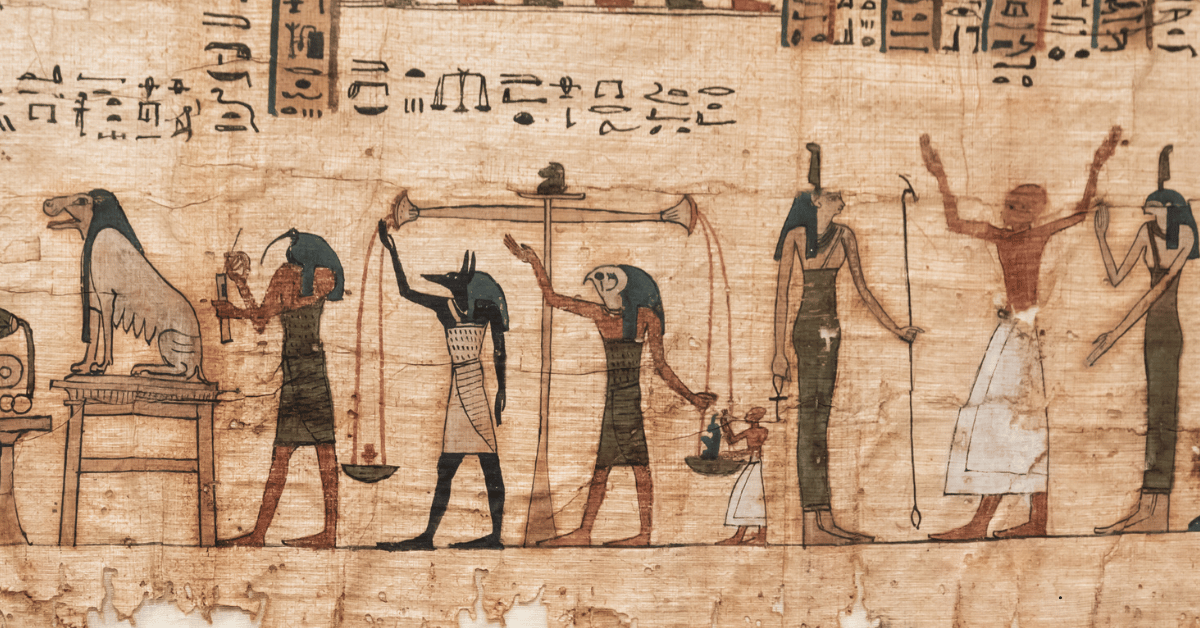
This blurring of boundaries extends to the animal kingdom. In Egyptian mythology, the jackal-headed Anubis is not just a god of the dead but a guide who weighs the hearts of the deceased against the feather of truth. His animal form is not a limitation but a symbol of his dual nature—both divine and bestial, both merciful and unyielding. In African folklore, the trickster hare, often depicted as a small, unassuming creature, outwits larger predators with cunning and wit. These stories remind us that intelligence and morality are not the sole province of humanity. They are traits that can be found in the most unexpected of places.
The Dark Side of Giving Life to the Inert
Yet anthropomorphism is not without its shadows. When we imbue the world with human traits, we risk reducing its complexity to a series of familiar narratives. A forest is not just a collection of trees; it is a living, breathing entity with its own rhythms and purposes. When we reduce it to a “wise old man” or a “mysterious guardian,” we risk overlooking its true nature. This is the paradox of anthropomorphism: it makes the world comprehensible, but it can also make it less real.
There is also the danger of anthropocentrism—the belief that human beings are the central or most significant species in the universe. When we see ourselves reflected in every corner of creation, we risk forgetting that we are but one thread in a vast, interconnected web. The stars do not twinkle to entertain us. The rivers do not flow to teach us lessons. They exist independently of our narratives, and their indifference can be both humbling and terrifying. Anthropomorphism, then, is a double-edged sword—a tool for understanding, but also a lens that distorts as much as it clarifies.
The Enduring Legacy of Anthropomorphic Tales
Today, anthropomorphism thrives in new forms. From the personification of Mother Nature in environmental movements to the AI assistants that greet us with cheerful voices, we continue to project humanity onto the non-human world. These modern iterations are not mere echoes of ancient myths; they are testament to the enduring power of anthropomorphism as a cognitive and emotional tool. In an era of climate change and artificial intelligence, we once again turn to stories to make sense of forces beyond our control. The ancient gods may have faded, but their legacy lives on in the way we speak to our pets, the way we name our hurricanes, and the way we imbue our machines with personalities.
The fascination with anthropomorphism, then, is not a relic of a superstitious past. It is a fundamental aspect of what it means to be human—a testament to our need to find meaning, connection, and agency in a world that often feels chaotic and indifferent. Whether through the myths of old or the stories we tell today, we continue to shape the world in our own image, not because we are delusional, but because it is the only way we know how to navigate the vast, silent unknown.
/indigomusic/media/post_attachments/wp-content/uploads/2024/10/Anthropomorphism-Anubis.jpg)
Anubis, with his canine visage and solemn demeanor, stands as a bridge between the mortal and the divine. His form is both familiar and alien, a reminder that the boundaries between human and non-human are not fixed but fluid. In his hands, the fate of the dead is decided, not by cold calculation, but by a deeply human sense of justice and retribution. This is the power of anthropomorphism: it allows us to confront the ineffable by giving it a face, a voice, and a story.