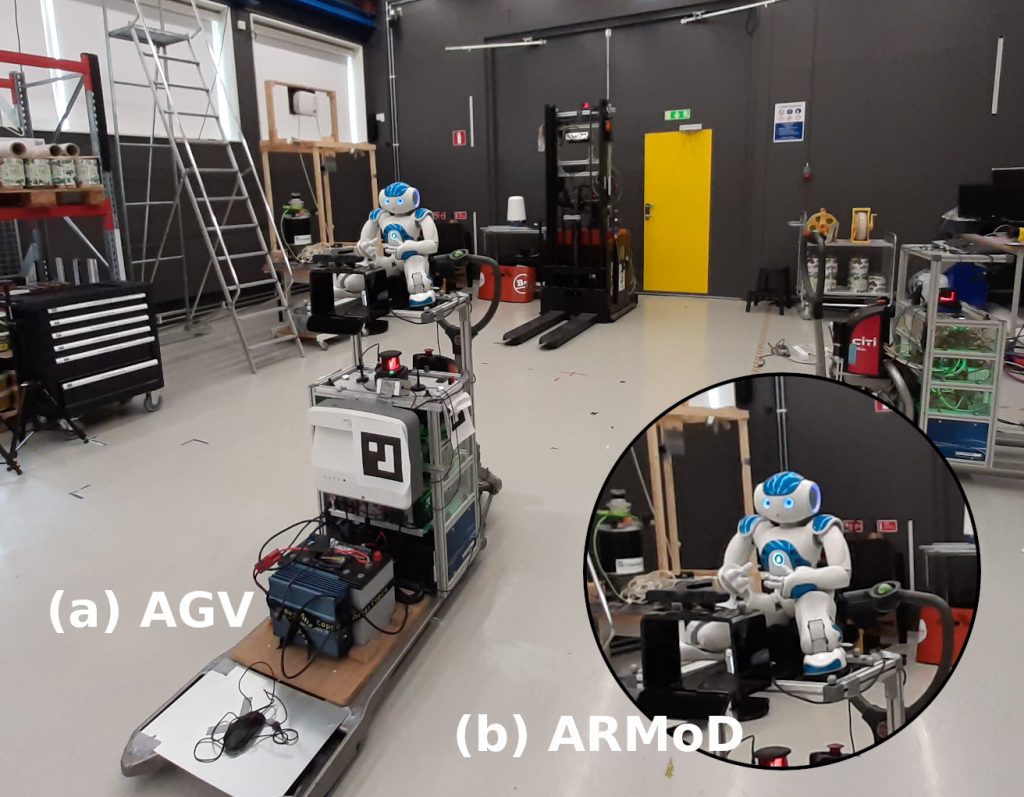
In the evolving landscape of decentralized applications (dApps), trust emerges as a pivotal currency, often as valuable as the technological innovation these platforms embody. At the nexus of human psychology and cutting-edge technology lies an intriguing phenomenon: anthropomorphism—the attribution of human characteristics to non-human entities. This subtle yet profound influence reshapes how users perceive, interact with, and ultimately place their trust in decentralized systems. Understanding this interplay promises to upend traditional notions about user engagement in blockchain environments and invites us to reconsider the very architecture of trust in digital realms.
Reimagining Trust Through Anthropomorphic Interfaces
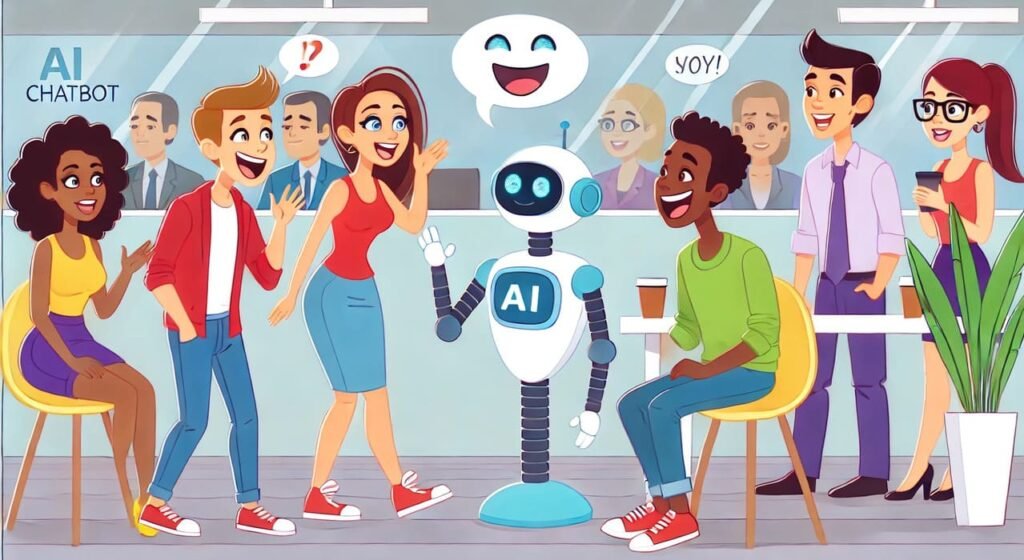
Trust within decentralized applications has conventionally been framed in terms of security protocols, cryptographic assurances, and transparency mechanisms. However, the influx of anthropomorphic elements—such as personalized avatars, conversational agents, and quasi-human feedback mechanisms—introduces a paradigm shift. These human-like cues serve as psychological heuristics, enabling users to relate to complex, opaque technologies through a familiar lens. Rather than relying solely on abstract assurances, users begin to perceive the dApp as an entity capable of empathy, intention, or reliability. This transformation from cold code to seemingly sentient interface amplifies trust, not solely through rational evaluation but via emotional resonance.
The Cognitive Bridge: How Anthropomorphism Simplifies Complexity
Decentralized applications are inherently complex, often perceived as daunting due to their underlying blockchain mechanics and distributed governance. Anthropomorphism acts as a cognitive bridge, easing the cognitive load by translating intricate processes into accessible, human-centered dialogues and interactions. When a dApp deploys anthropomorphic avatars or chatbots exhibiting human-like problem-solving and reassurances, users find a semblance of interpersonal connection. This fosters an environment where users feel guided rather than lost, mitigating anxiety born from the inscrutable nature of decentralized technology. Consequently, the technology transcends its complexity, inviting broader participation by demystifying interactions through humanized engagement.
Emotional Engagement as a Catalyst for Enduring Confidence
Trust is more than an ephemeral cognitive judgment; it is an emotional contract forged over time. Anthropomorphism in dApps catalyzes this emotional engagement by imbuing interactions with personality and perceived warmth. When users receive responses that mirror human empathy or decisiveness, the experience transcends sterile functionality and becomes relational. This emotional substrate strengthens user confidence, fostering loyalty and reducing attrition. The emotional dimension also serves as a bulwark against skepticism and perceived risk, encouraging users to venture more boldly into decentralized ecosystems. Importantly, this engagement must be carefully calibrated to maintain authenticity, as dissonance between anthropomorphic cues and actual system capabilities can erode trust.
Balancing Transparency and Persona: The Trust Paradox
Anthropomorphism inherently introduces a paradox in trust dynamics: while it humanizes technology and encourages emotional bonding, it can obscure transparency. A dApp’s anthropomorphic agent may convey assurances that belie the immutable and deterministic nature of blockchain transactions. Users might conflate personable interactions with guarantees that cannot be upheld—for instance, expecting human judgment in inherently automated, rule-based environments. This blurred boundary creates challenges in designing interfaces that leverage anthropomorphism without compromising clarity about the technology’s operational limits. Striking this balance is integral to sustaining authentic trust, preserving user agency while enhancing engagement.
Cultural and Demographic Nuances in Anthropomorphic Reception
The impact of anthropomorphism on trust is neither universal nor uniform; it is deeply contingent on cultural norms and user demographics. For instance, users from collectivist societies may respond more favorably to communal or nurturing anthropomorphic traits, while individualistic cultures might prefer autonomous, assertive interfaces. Age, technological literacy, and prior exposure to AI further modulate this response. Younger users might appreciate playful, animated personas, whereas more experienced or skeptical users may favor minimalist anthropomorphism that avoids overt emotiveness. Designing dApps with a nuanced appreciation of these variables enhances inclusivity and tailors trust-building strategies to diverse user bases.
Ethical Considerations and the Risk of Manipulation
While anthropomorphism offers potent benefits for cultivating trust, it also raises critical ethical considerations. The intentional humanization of technology can be wielded to engender misplaced trust, nudging users toward decisions they might not otherwise make. This risk is especially pronounced in decentralized finance (DeFi) applications, where financial stakes are high. Users might anthropomorphize smart contracts or autonomous agents, attributing benevolent intent and failing to adequately scrutinize risks. Consequently, transparency in design, explicit disclosures, and education about the limitations of anthropomorphic affordances become ethical imperatives. Developers must avoid exploitative practices that leverage emotional bonds at the expense of informed consent.
Future Trajectories: Toward Hybrid Trust Ecosystems
The confluence of anthropomorphism and decentralization signals a future where trust is co-constructed by both algorithmic rigor and humanized interaction. Emerging dApps may integrate adaptive anthropomorphic agents powered by advanced AI, capable of contextual empathy and real-time trust calibration. Such hybrid ecosystems could dynamically adjust communication styles based on user sentiment, enhancing personalized trust pathways. Furthermore, as decentralized autonomous organizations (DAOs) evolve, anthropomorphic interfaces might personify collective governance—making abstract decision-making transparent and relatable. This evolution promises not only to revolutionize user engagement but to birth a new ontology of trust, embedded in both code and consciousness.
Conclusion: Rethinking Trust as a Lived Experience in Decentralized Worlds
The infusion of anthropomorphism into decentralized applications challenges the conventional paradigm that trust hinges solely on technical assurances. It foregrounds trust as a lived experience, shaped as much by emotional cues and human-like engagement as by cryptographic protocols and algorithmic fairness. As users encounter dApps that speak, emote, and respond with human semblance, their willingness to engage deepens, heralding a profound shift in how digital trust is conceptualized. This evolving landscape invites designers, developers, and users alike to rethink the architecture of trust—not as a static guarantee but as a dynamic relational fabric interwoven with human perception and machine precision.