Have you ever paused to consider why ancient civilizations endowed their gods and goddesses with such strikingly human attributes—extended arms, expressive faces, or poised stances—as if these divine beings were masquerading in the guise of mortals? What if this celestial anthropomorphism is not merely artistic flair but a profound psychological mechanism that bridges the unfathomable chasm between humanity and the divine? This playful question invites a deeper exploration into the labyrinth of the human psyche and its intricate dance with anthropomorphic deities, proposing an intriguing challenge: can understanding these gods’ human semblance unravel insights about our own cognitive and emotional architecture?
The Humanizing Impulse: Why Anthropomorphism Captivates the Psyche
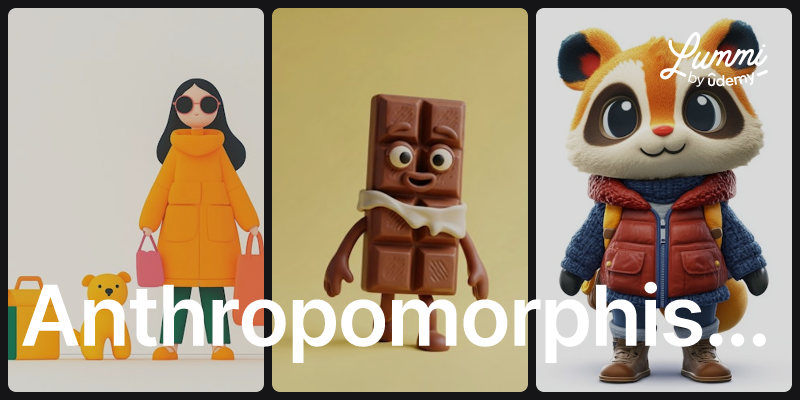
At the core of anthropomorphic depictions lies an innate cognitive tendency known as the “humanizing impulse.” This psychological proclivity compels humans to attribute familiar, human-like traits to non-human entities, extending far beyond gods to animals, objects, and natural phenomena. When it comes to gods and goddesses, this impulse serves as a cognitive anchor in the chaotic sea of the unknown. By envisioning gods with arms that can reach out to comfort or facial expressions that reveal intent, ancient cultures reduce cosmic incomprehensibility into relatable narratives.
This effect operates as a psychological scaffolding, facilitating emotional resonance and moral comprehension. The gods’ humanlike qualities prompt empathic connections, allowing worshippers to project their hopes, fears, and values onto divine beings. This projection is not merely naïve anthropomorphism but a sophisticated psychological stratagem that transforms abstract divinity into accessible interlocutors. Thus, anthropomorphic gods function as dynamic conduits for humans to negotiate existential questions within a comprehensible framework.
Embodied Divinity: The Significance of Poses and Physical Gestures
The physical portrayal of gods often encapsulates potent symbolism transmitted through poses and gestures. The stance of a deity—whether poised in serene contemplation, commanding in battle readiness, or extending a benevolent hand—encapsulates archetypal narratives encoded within human consciousness. These embodied cues convey implicit messages about the deity’s sphere of influence, temperament, and relational dynamics with worshippers.
The psychology behind these sacred poses taps into embodied cognition, suggesting that perception of physical form influences mental and emotional states. For instance, a god depicted with open arms may evoke feelings of inclusion and protection, while furrowed brows and clenched fists elicit reverence mixed with awe or fear. These nonverbal signals are not peripheral artistry but essential psychological triggers that modulate human responses to the divine, orchestrating rituals, prayers, and societal norms around shared symbols.
Anthropomorphic Deities as Mirrors of Cultural Psyches
Anthropomorphic gods do not emerge in a cultural vacuum; rather, they reflect the collective psyche of the societies that imagine them. Each god’s persona is a prism refracting cultural values, taboos, and aspirations. From the thunderous war gods embodying societal valor and conflict to nurturing mother goddesses exemplifying fertility and care, these figures personify the narrative threads weaving social identity and worldview.
Psychologically, these divine archetypes assist in internalizing and externalizing communal norms. They offer an external locus for internal conflicts, allowing adherents to engage with moral dilemmas in symbolic form. Through them, abstract principles are humanized, facilitating emotional engagement and cognitive negotiation of complex existential issues. In this way, anthropomorphic gods act as cultural psychotherapists, guiding societies through rites of passage and moral edification.
The Paradox of Divine Anthropomorphism: Comfort or Constraint?
Yet, the very humanization that forges a bridge to the divine may simultaneously reify anthropocentric limitations. By constraining conceptualizations of gods within human forms, there lurks a paradoxical cage that circumscribes the infinite within the finite. Does embodying gods in human guise confine divine mystery to the narrow corridors of human experience, thereby diminishing their transcendence?
This tension presents a psychological challenge: while human features enhance accessibility and intimacy, they risk imposing anthropomorphic biases that obscure the vastness beyond human comprehension. The paradox compels reflection on whether these images serve as stepping stones toward spiritual profundity or comfortable illusions that hinder deeper transcendent insight. Navigating this dialectic remains a compelling challenge at the intersection of theology and psychology.
The Enduring Legacy: Modern Reflections of Ancient Anthropomorphism
Intriguingly, anthropomorphic gods continue to inform contemporary culture, resurfacing in modern metaphors, literature, and even artificial intelligence where personification remains a core tenet. The enduring psychological utility of anthropomorphism reveals a profound, persistent need for relational connection—to see aspects of ourselves in the ‘other,’ divine or synthetic. This dynamic underscores a basic existential drive to render the abstract tangible through faces, forms, and feelings we recognize.
Furthermore, the investigation into these ancient portrayals probes the psychological substratum of belief systems and identity construction. It suggests that beneath doctrinal differences lies a shared human endeavor to make sense of existence through the human mirror that gods hold up to us. By studying this legacy, one gleans not only cultural histories but also intimate portraits of the minds that fashioned and continue to reimagine these divine visages.
Conclusion: A Playful Invitation to Reimagine the Divine Within the Human
As the playful question returns—Why do we endow gods with human form?—it morphs into an invocation to acknowledge that these anthropomorphic deities are less about the gods themselves and more about the human psyche’s yearning for connection, comprehension, and meaning. The challenge lies in embracing this insight without succumbing to the constricting comfort of human likeness, daring instead to explore the liminal space where the divine transcends human boundaries yet remains intimately accessible.
In unraveling the psychology of anthropomorphic gods and goddesses, one embarks on a journey through human cognition, emotion, culture, and spirituality—a voyage that ultimately reflects the timeless quest to understand not only the gods but the very essence of what it means to be human.