In the labyrinthine arena of political campaigns, where messages often clash and ideologies contend, an unexpected narrative device has emerged as a potent weapon: anthropomorphism. This inventive strategy animates political entities, infusing them with human traits, emotions, and stories that forge immediate connections with voters. This case study delves into how a political party harnessed anthropomorphism to transcend traditional rhetoric, crafting a metaphorical tapestry that not only captivated the electorate’s imagination but also redefined the boundaries of political persuasion.
The Alchemy of Anthropomorphism: Breathing Life into Politics
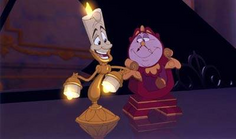
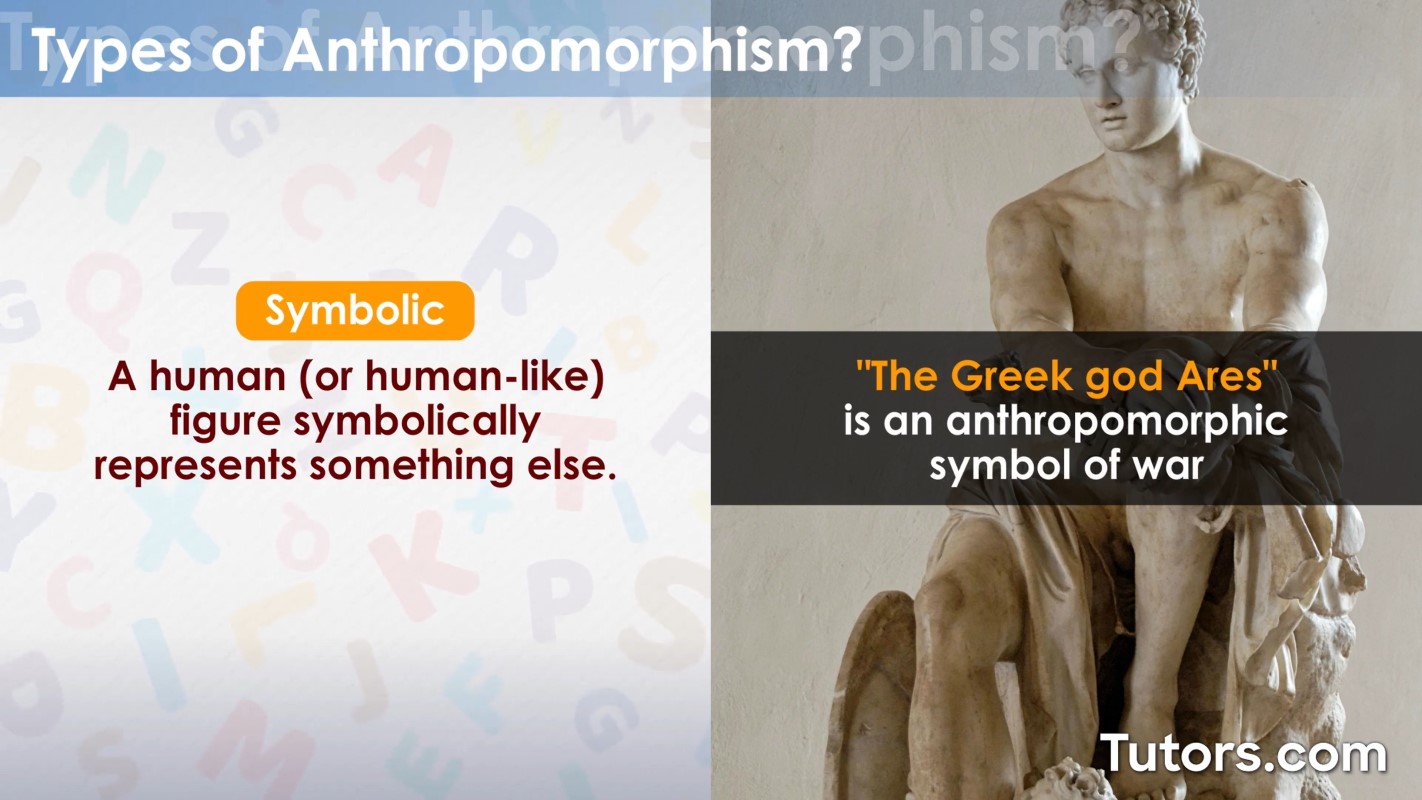
Anthropomorphism, the art of ascribing human characteristics to non-human entities, lies at the heart of many cultural narratives. Its application in politics, however, transmutes static logos and abstract policies into entities with personality and agency. For the political party in question, this was not merely a gimmick but a deliberate metamorphosis of their campaign into a living narrative. Mascots emerged as emblematic spokescharacters — not mere symbols, but vivid protagonists in a political saga compelling voters to see the party as a guardian, a challenger, or even a sage.
This imaginative anthropomorphosis functioned as an intriguing metaphor: the political party was no longer a faceless institution, but a valiant figure in the public consciousness. This humanization invited voters to emotionally invest in the party’s journey, allowing complex policy positions to be distilled into relatable human motivations and dilemmas. It effectively blurred the line between politics and storytelling.
The Genesis of a Living Metaphor: Crafting Relatable Political Personas
The campaign architects recognized early that political messages often suffer from abstraction and alienation. To remedy this, they designed anthropomorphic avatars symbolizing core party values. For instance, the emblematic figure of “The Watchful Owl” was introduced—an avian creature endowed with wisdom, vigilance, and impartiality. This metaphor served a dual purpose: it subtly conveyed the party’s commitment to transparency and scrutiny, while also evoking a sense of calm and reliability in the chaotic political landscape.
With meticulous attention, these personified characters were woven into every aspect of the party’s communication channels. Social media posts, campaign posters, and TV adverts showcased these figures interacting in dynamic scenarios reminiscent of everyday challenges faced by voters. This narrative stratagem transformed policy debates into sagas where voters could root for the protagonists, thus humanizing complex issues from economic reform to social justice.
The Emotional Cartography: Engaging Voters Beyond Rational Appeals
Traditional campaigning often emphasizes logic and data, but the inclusive appeal of anthropomorphism thrives on emotional resonance. By ascribing feelings to their avatars—hope in the face of adversity, courage in moments of uncertainty—the party charted an emotional map that guided voters through the labyrinth of political decision-making.
This emotional engagement was not incidental; it was strategically calibrated. Voters encountered narratives where the anthropomorphic characters grappled with dilemmas mirroring societal anxieties. These moments invited empathy, transforming political hurdles into shared human experiences. Through this, the party cultivated trust and relatability, key drivers in voter mobilization that often elude conventional communication methods. The metaphorical dimension of anthropomorphism unlocked latent emotional connections, making the political party a seemingly indispensable companion in the voter’s life journey.
Visual Storytelling: The Potency of Symbolic Imagery
Integral to this campaign’s success was its masterful use of visual symbolism. Anthropomorphic figures served as visual anchors that distilled complex ideologies into instantly recognizable icons. The party’s visual lexicon was rife with allegorical imagery: an industrious ant symbolizing collective effort, a blooming tree representing sustainable growth, or a shielded lion emblematic of protection and strength.
Each image was carefully crafted to be both aesthetically compelling and semantically rich. This duality ensured that the imagery lingered in the public imagination, reinforcing the party’s narrative themes well beyond the ephemeral life of campaign advertisements. The imagery’s approachable style invited even politically disengaged audiences to decipher and internalize the underlying messages. Such visual storytelling not only enhanced recall but also cultivated a sense of familiarity, a pivotal factor in electoral success.
Ethical Considerations and Voter Perception
Employing anthropomorphism in politics necessitates a delicate balance between creativity and ethical responsibility. The party was acutely conscious of the fine line between persuasive storytelling and manipulation. Transparency around the metaphorical nature of the campaign was maintained to prevent disillusionment among voters.
Moreover, the campaign avoided caricature or oversimplification that might trivialize serious policy issues or mislead constituents. Instead, it embraced complexity beneath the metaphorical veil, encouraging voters to engage critically with the party’s positions. This approach fostered respect and authenticity, qualities that resonated especially well among skeptical demographics.
Outcomes: From Narrative Innovation to Electoral Triumph
The anthropomorphic campaign emerged as a quintessential case where narrative innovation translated into palpable electoral gains. Polling data indicated heightened voter engagement and increased identification with the party’s brand compared to previous elections. The campaign’s characters became cultural touchstones, sparking conversations and even fan-created content that amplified the party’s reach organically.
Beyond vote counts, the campaign redefined political communication by demonstrating that the fusion of metaphor, emotion, and symbolism can surmount the noise of modern media environments. The anthropomorphic framework created a memorable, distinct identity that rendered the political party synonymous with trustworthiness and empathy.
Conclusion: The Enduring Legacy of Anthropomorphized Politics
In an era awash with information yet starved of genuine connection, anthropomorphism in political campaigning emerges as an ingenious strategy to bridge divides. By transforming abstract political ideologies into living entities full of relatable struggles and triumphs, this approach rekindles the ancient human affinity for storytelling. The political party’s success illustrates that when metaphor becomes more than ornamentation—when it suffuses the core of public engagement—it can become a lodestar guiding both narrative and strategy.
The legacy of this campaign lies not only in its electoral victories but also in expanding the horizon of political discourse. For parties and communicators alike, anthropomorphism offers a compelling invitation: to animate politics with the humanity it commands, turning every vote cast into a vote for a story well told.