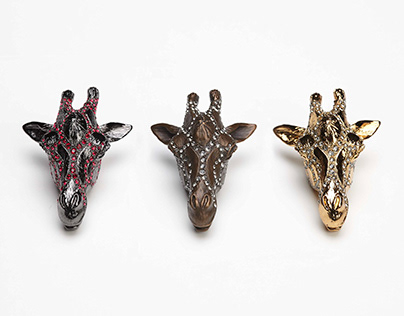
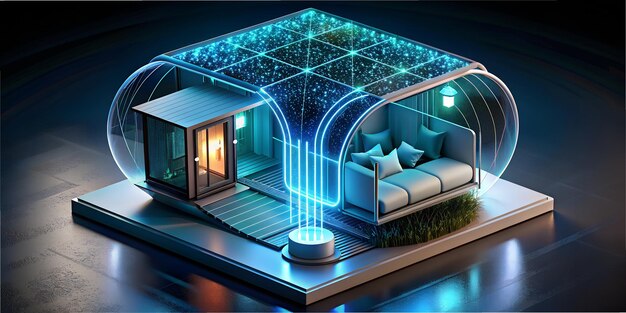
What if a product could smile at you, stretch its limbs, or even blush when you praise it? No, we’re not describing a sentient robot from a sci-fi novel—we’re talking about anthropomorphism in product design, where inanimate objects are imbued with human-like traits to create deeper emotional connections. From the grinning face of a Pixar lamp to the empathetic tone of a smart speaker, anthropomorphism has quietly reshaped how we interact with the objects around us. But can this playful illusion of humanity truly enhance user experience, or does it risk crossing into the uncanny valley, where familiarity curdles into discomfort?
The Allure of the Human Touch: Why We Anthropomorphize Products
Humans are hardwired to detect agency. Evolutionarily, our survival depended on recognizing faces, interpreting gestures, and predicting intentions—skills that now extend to our interactions with products. When a vacuum cleaner “sings” as it cleans or a car’s dashboard lights up with “happy” animations, we’re not just anthropomorphizing; we’re engaging in a form of cognitive empathy. Products that mimic human behavior exploit our innate tendency to anthropomorphize, making them feel more relatable and less like cold, mechanical tools.
Consider the humble coffee maker. A basic model might simply brew coffee, but a high-end one could greet you with a cheerful chime, display a progress bar, or even “complain” if you forget to refill the water tank. These features don’t improve functionality—they enhance affective usability, the emotional satisfaction derived from an interaction. The challenge, however, lies in striking a balance: too much anthropomorphism can feel gimmicky, while too little may leave users indifferent.
Designing Personality: Crafting the Illusion of Humanity
Anthropomorphic design isn’t about slapping a face on a product—it’s about crafting a personality. The first step is defining the product’s “character.” Will it be a mentor, guiding users with wisdom? A companion, offering encouragement through challenges? Or perhaps a rebel, defying expectations with quirky behavior? Each role demands distinct visual and behavioral cues. A smart speaker, for example, might adopt a warm, conversational tone to feel like a friendly assistant, while a fitness tracker could use stern, motivational language to push users toward their goals.
Visual cues play a crucial role. The curvature of a robot’s eyes, the tilt of its head, or even the rhythm of its movements can convey emotion. Take the example of a robotic vacuum cleaner: its circular shape and single “eye” might evoke curiosity, while its erratic path-finding could mimic human clumsiness, making it endearing. Yet, designers must tread carefully. Overly exaggerated features—like a toaster with exaggerated “eyebrows” that furrow when it’s hot—risk veering into uncanny grotesquery, where the product becomes unsettling rather than charming.
The Double-Edged Sword: Benefits and Pitfalls of Anthropomorphism
When done right, anthropomorphism can transform mundane interactions into memorable experiences. It can reduce user frustration by making errors feel less like failures and more like human mistakes. Imagine a GPS that “apologizes” when it reroutes you, or a washing machine that “thanks” you for selecting an eco-friendly cycle. These small gestures foster brand loyalty by creating emotional bonds. Studies show that anthropomorphic products are often perceived as more trustworthy, even if users consciously know they’re not alive.
Yet, the approach isn’t without risks. One major challenge is the uncanny valley, a concept borrowed from robotics where products that appear almost—but not quite—human trigger revulsion. A poorly designed humanoid robot or a chatbot with unnatural speech patterns can evoke discomfort rather than connection. Another pitfall is over-personalization, where products become intrusive. A smart fridge that “judges” your snack choices or a fitness tracker that “shames” you for missing a workout can feel manipulative, eroding trust. The key is subtlety—anthropomorphism should feel like a warm handshake, not a clammy hug.
From Theory to Practice: Case Studies in Anthropomorphic Design
Several brands have mastered the art of anthropomorphic design. Jibo, a social robot, was designed to be a family companion, with expressive eyes and a gentle, conversational tone. Its ability to recognize faces and respond to voice commands made it feel like a member of the household—until its high price and limited functionality led to its discontinuation. The lesson? Anthropomorphism alone can’t sustain a product; it must be paired with genuine utility.
In the automotive world, Mercedes-Benz has experimented with “emotionalizing” its vehicles. The MBUX infotainment system features an avatar named “Nicole,” who responds to voice commands with a friendly demeanor. Meanwhile, Nike’s “Move to Zero” campaign anthropomorphized its sustainability efforts by giving the brand a “voice” that encouraged eco-friendly choices. These examples highlight how anthropomorphism can extend beyond individual products to shape brand identity.
Even everyday objects are getting in on the act. Oral-B’s smart toothbrush uses Bluetooth to sync with an app, offering “coaching” and “rewards” that mimic a personal trainer. The brush vibrates differently based on pressure, as if scolding you for brushing too hard. It’s a playful approach that turns a routine task into an engaging ritual.
The Future: Can Anthropomorphism Go Too Far?
As artificial intelligence and robotics advance, the line between human and machine will continue to blur. Already, we’re seeing products that don’t just mimic humanity but simulate it—think of AI chatbots that pass the Turing test or robots that can hold nuanced conversations. The ethical implications are vast. Could anthropomorphism in products lead to emotional dependency, where users struggle to separate real relationships from simulated ones? Might it normalize the idea that machines deserve empathy, blurring the boundaries of what we consider “alive”?
Designers must also consider cultural differences. In some societies, anthropomorphism is embraced (e.g., Japan’s affection for kawaii culture), while in others, it may feel infantilizing. A product that works brilliantly in Tokyo might flop in Berlin if its “personality” doesn’t resonate with local sensibilities. The challenge is to create designs that are universally appealing without losing their cultural specificity.
Ultimately, the future of anthropomorphic design lies in responsible innovation. Products should enhance human experiences, not exploit them. The goal isn’t to trick users into believing their toaster is their best friend—but to make interactions feel more intuitive, enjoyable, and, above all, human.
Conclusion: The Human Touch in an Inhuman World
Anthropomorphism in product design is more than a trend—it’s a reflection of our deepest desire to connect. In a world where technology often feels cold and impersonal, these playful illusions of humanity remind us that even the most mundane objects can carry a spark of life. Yet, as with any powerful tool, it must be wielded with care. The best anthropomorphic designs don’t just look human; they make us feel seen, understood, and, perhaps, a little less alone.
So the next time your smart speaker “laughs” at your joke or your car’s dashboard “winks” at you, ask yourself: Is this magic—or is it just good design? The answer, like the products themselves, might surprise you.