Imagine a world where cars don’t just function as vehicles but evolve into entities that resonate with human emotions, forging bonds beyond mere utility. This shift in perspective—the infusion of anthropomorphic qualities into automobile branding—not only redefines consumer relationships with cars but subtly recalibrates brand loyalty dynamics. What if automobiles could be perceived not just as machines, but as companions, characters, or even guardians? Exploring the nuanced impact of anthropomorphism on brand loyalty in the automotive sector reveals a tapestry of psychological connections and marketing strategies that challenge conventional brand-consumer paradigms.
The Psychology Behind Anthropomorphism in Automobiles
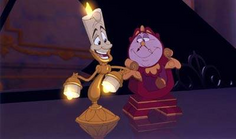
At its essence, anthropomorphism involves attributing human characteristics, emotions, or intentions to non-human entities. When this phenomenon intersects with automobile marketing, it triggers a profound cognitive and emotional engagement in consumers. Cars are imbued with personalities, portrayed as trustworthy, adventurous, or sophisticated beings. This narrative doesn’t merely animate the product; it activates empathetic resonance—consumers begin to see their cars as extensions or reflections of their own identity.
Such emotional attribution leverages deeply ingrained psychological mechanisms. Humans possess an innate tendency to seek social connection, even with objects, especially under conditions of uncertainty or when forming attachments. By presenting automobiles with human-like traits, brands catalyze attachment styles often reserved for interpersonal relationships, thereby planting the seeds for enhanced loyalty.
Brand Personification as a Loyalty Catalyst
Personifying a brand goes beyond superficial storytelling—it crafts a consistent, relatable persona that consumers can identify with. In the automotive realm, this often manifests in campaigns that suggest reliability as a steadfast friend, innovation as a visionary ally, or adventure as a spirited companion. These nuanced brand embodiments foster a sense of familiarity and trust, transforming transactional interactions into meaningful relationships.
When consumers assign a persona to a vehicle brand, they engage in brand personification—a psychological process that encourages viewing the brand as more than a product. This cognitive framework nurtures loyalty by creating a sense of accountability and reciprocity; consumers feel understood and valued, prompting a commitment to the brand that surpasses functional attributes like price or performance.
Emotional Engagement and Its Impact on Repeat Purchases
Emotional engagement creates a fertile ground for loyalty to flourish. When brands utilize anthropomorphism, they tap into the affective domain of consumer psychology, evoking feelings that transcend mere satisfaction. The perception of a car as a ‘trusted companion’ or an ’empathetic partner’ generates positive affective responses, which have been empirically linked to higher repurchase intentions.
This emotional tethering alters consumer behavior by shifting the decision-making calculus. Rather than an isolated assessment of technical specifications, consumers weigh relational factors—feelings of attachment, pride, and identity congruence. Consequently, their loyalty becomes more resilient, weathering market fluctuations and competitive onslaughts that typically sway less emotionally connected buyers.
Anthropomorphism’s Role in Differentiating Brands in a Saturated Market
The automobile industry today struggles with homogenization. Technological advances often lead to feature convergence, making it harder for brands to distinguish themselves strictly on specs. Here, anthropomorphism offers a strategic advantage by infusing brands with distinctive personalities that resonate on a human level.
By projecting traits such as boldness, elegance, or eco-conscious conscience, brands carve unique psychological niches. These personified characteristics become symbolic markers that attract specific consumer archetypes, creating brand communities united by shared values and identities. This communal affiliation further compounds loyalty, as consumers derive social and self-affirmational benefits from their brand alignment.
The Subtle Influence of Storytelling in Anthropomorphic Branding
Storytelling acts as the narrative vessel carrying anthropomorphic qualities into the consumer psyche. Stories that animate cars with human dreams, struggles, or triumphs invite consumers to partake in shared journeys. These narratives frame the brand experience as an evolving relationship rather than a static transaction.
Such engagement not only deepens emotional investment but also enhances memory retention and brand recall. Consumers who internalize these stories exhibit increased willingness to advocate, defend, and repurchase the brand, effectively transforming them into brand ambassadors driven by authentic passion rather than mere obligation.
Risks and Nuances: When Anthropomorphism Backfires
Despite its potent advantages, anthropomorphism must be wielded with finesse. Misalignment between the imposed personality and consumer expectations can provoke dissonance or skepticism. If the human traits seem forced, inauthentic, or incongruent with the brand’s core identity, they risk generating alienation rather than affinity.
Moreover, psychological fatigue may arise if brands overextend anthropomorphic cues, leading to diminished perception of seriousness or credibility—critical factors in automobile purchasing decisions. Thus, maintaining a calibrated balance between humanization and the inherent mechanical reality of automobiles is paramount.
The Future Trajectory: Intelligent Cars as Anthropomorphic Mirrors
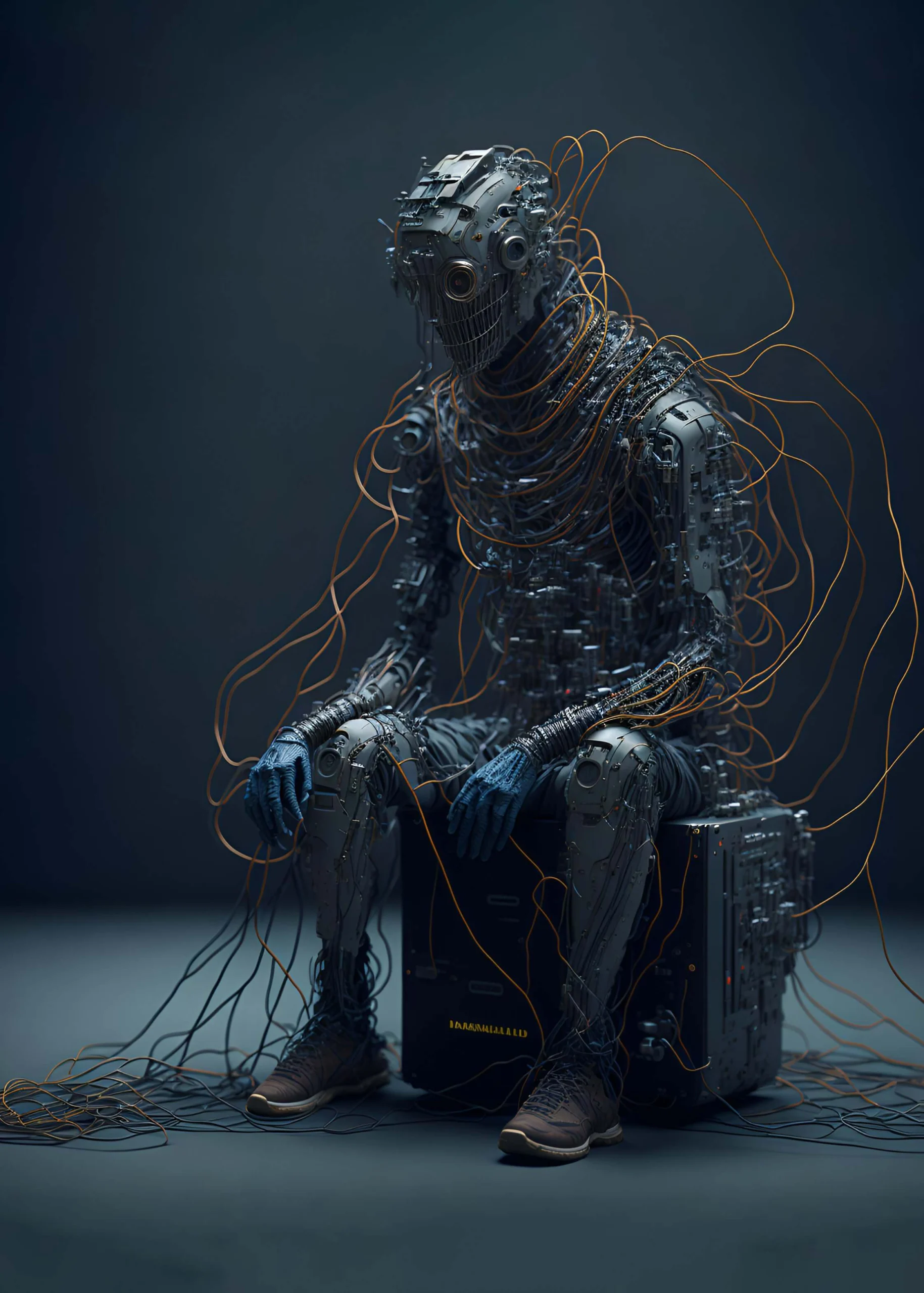
Looking ahead, the proliferation of artificial intelligence and smart technologies amplifies the potential for anthropomorphism in automobiles. Autonomous vehicles equipped with interactive interfaces mimic conversational traits, emotional responsiveness, and adaptive behaviors that further humanize the driving experience.
This technological evolution not only augments functional convenience but deepens emotional connections. Intelligent cars become personalized companions—learning preferences, responding empathetically, and anticipating needs. Such dynamic interaction is poised to redefine loyalty frameworks by converting passive consumers into active co-creators of brand experience.
Conclusion: Reimagining Brand Loyalty Through the Lens of Anthropomorphism
The infusion of anthropomorphic elements into automobile branding signals a profound paradigm shift—from viewing cars as mere products to recognizing them as companions embedded within complex emotional ecosystems. By harnessing psychological affinities for human-like traits, brands unlock dormant loyalty potentials, transforming the commercial landscape.
As the automotive world accelerates toward integrating humanized technologies, the interplay between anthropomorphism and brand loyalty promises to become even more intricate and impactful. This evolution invites consumers and brands alike to reimagine their connections, cultivating relationships fueled by empathy, identity, and shared journeys rather than transactional exchanges alone.