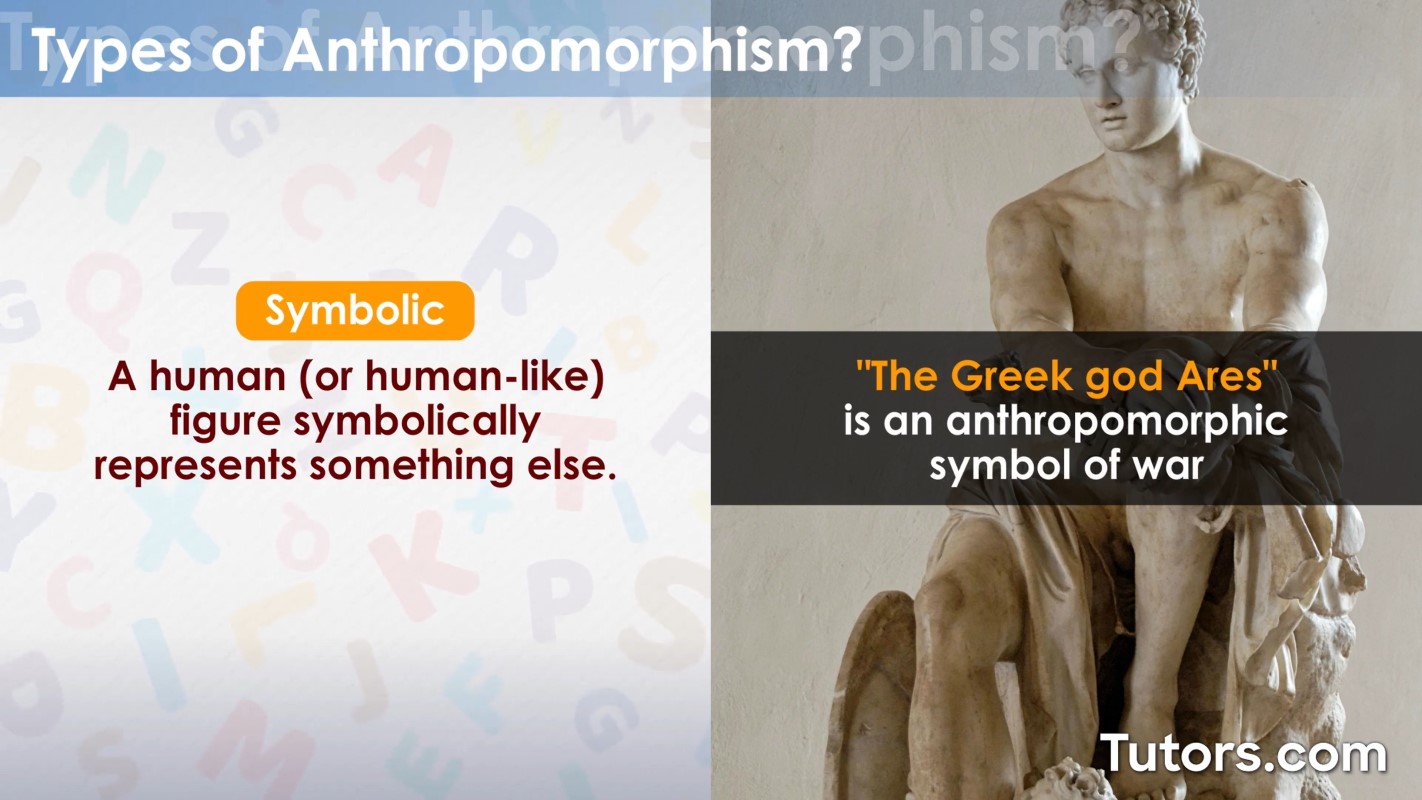
Humans have long been captivated by the lives and behaviors of animals, often imbuing them with human characteristics, emotions, and intentions—a phenomenon known as anthropomorphism. This tendency is not merely a trivial quirk; it profoundly influences societal attitudes toward animals and, consequently, shapes the evolution of animal rights legislation. Beneath the surface fascination lies a complex interplay of empathy, moral reasoning, and cultural narratives that propel legislative progress. Exploring how anthropomorphism acts as both catalyst and complication in this arena reveals important insights about the dynamic relationship between human perception and the legal protection of animal welfare.
The Psychological Roots of Anthropomorphism
At its core, anthropomorphism stems from a deep-seated psychological impulse to understand the unfamiliar by relating it to the familiar. When faced with non-human creatures whose behaviors and expressions can appear inscrutable, humans project emotions, intentions, and even personalities onto animals. This interpretative act transforms abstract notions of “animal” into vivid, relatable characters with discernible agency and feelings. Such a tendency facilitates emotional connection, making animals appear less as distant “others” and more as entities worthy of consideration and care. This heightened empathy, born from anthropomorphic insight, inadvertently primes public support for animal welfare initiatives.
Anthropomorphism as a Catalyst for Legislative Empathy
Legislators operate within the milieu of public sentiment, and when society perceives animals through human-like lenses, mobilizing compassion becomes markedly easier. Iconic instances—whether a dog’s plaintive eyes reflecting loyalty or a chimpanzee’s apparent playfulness—resonate on a human level and galvanize advocacy. These relatable depictions convert abstract ethical principles into tangible, emotional imperatives, compelling lawmakers to respond. Consequently, anthropomorphism often acts as an incubator for more progressive legal protections, as empathy is a critical motivational force behind reforms that seek to mitigate animal suffering.
The Double-Edged Sword: Misrepresentation and Overgeneralization
Despite its powerful role in fostering compassion, anthropomorphism can also obscure biological realities and ethical clarity. Attributing human motivations or emotions to animals may lead to overgeneralization or misinterpretation of their needs and behaviors. For example, projecting a human moral framework onto diverse species risks simplifying complex ecological and behavioral truths, which complicates the design of effective legislation. Laws influenced by anthropomorphic sentiment might prioritize species that evoke stronger emotional reactions—often charismatic megafauna—while neglecting less “relatable” animals whose welfare remains equally significant. This uneven protection can inadvertently skew legal priorities, undermining comprehensive animal rights progress.
Influence on Ethical Frameworks Underpinning Legislation
Anthropomorphism subtly informs the ethical paradigms that undergird animal rights laws. Traditional legal frameworks have historically positioned animals as property or resources, largely disconnected from notions of sentient experience. However, as anthropomorphic tendencies permeate cultural consciousness, they stimulate the emergence of moral philosophies emphasizing animal sentience, emotional capacity, and intrinsic value beyond utility. Concepts such as “animal personhood” and “rights” gain traction as the public and legal systems increasingly recognize animals as beings with interests and dignity. This shift reorients legislation from mere regulation of use toward the affirmation of fundamental protections against exploitation and cruelty.
Cultural Narratives and Media’s Role in Shaping Legislation
Popular culture and media play an instrumental role in magnifying anthropomorphic images, often weaving powerful narratives that influence public opinion and, indirectly, lawmaking. Animated films, literature, and social media portray animals with depth, emotion, and voice, reinforcing anthropomorphic views and stimulating collective empathy. These cultural products do not merely reflect societal attitudes—they actively shape them, nurturing a social climate more receptive to animal-centered legal reforms. The saturation of anthropomorphized animal depictions in media reinforces a broader cultural acknowledgment of animal welfare as a moral and legislative concern.
Implications for Future Animal Rights Advocacy
Acknowledging the dual nature of anthropomorphism—its ability to inspire empathy and its propensity for distortion—is crucial for advancing effective animal rights legislation. Advocates can harness its empathetic power to generate public interest and political will but must simultaneously strive to ground campaigns in scientific understanding and ethical consistency. Educating the public about species-specific needs, behaviors, and ecological roles can complement anthropomorphic narratives, fostering balanced perspectives. Ultimately, a nuanced approach that respects both emotional engagement and empirical knowledge will yield more equitable and comprehensive legal protections for all animals.
Conclusion: Navigating the Intersection of Emotion and Law
The enduring human fascination with animals, filtered through the lens of anthropomorphism, occupies a pivotal place in the trajectory of animal rights legislation. This fascination illuminates deeper human desires for connection, understanding, and moral responsibility toward fellow creatures. While anthropomorphism can both inspire and complicate legal progress, its influence remains integral to the evolving discourse on animal welfare. The challenge lies in translating heartfelt empathy into legislation that is both just and informed—ensuring that the rights and protections accorded to animals align with their genuine capacities and needs, rather than merely our projections. In this delicate balance, society’s true regard for animals is ultimately revealed.