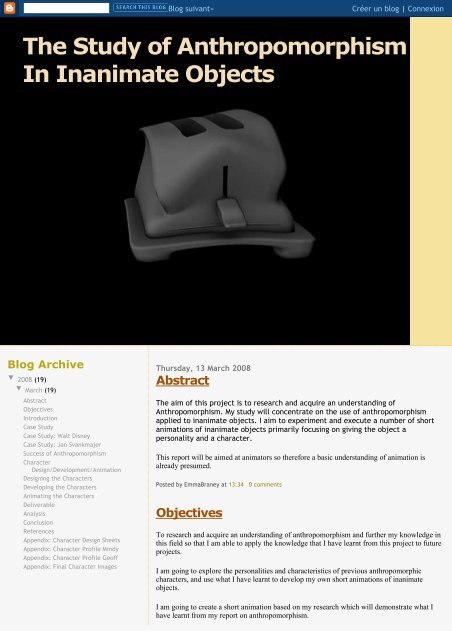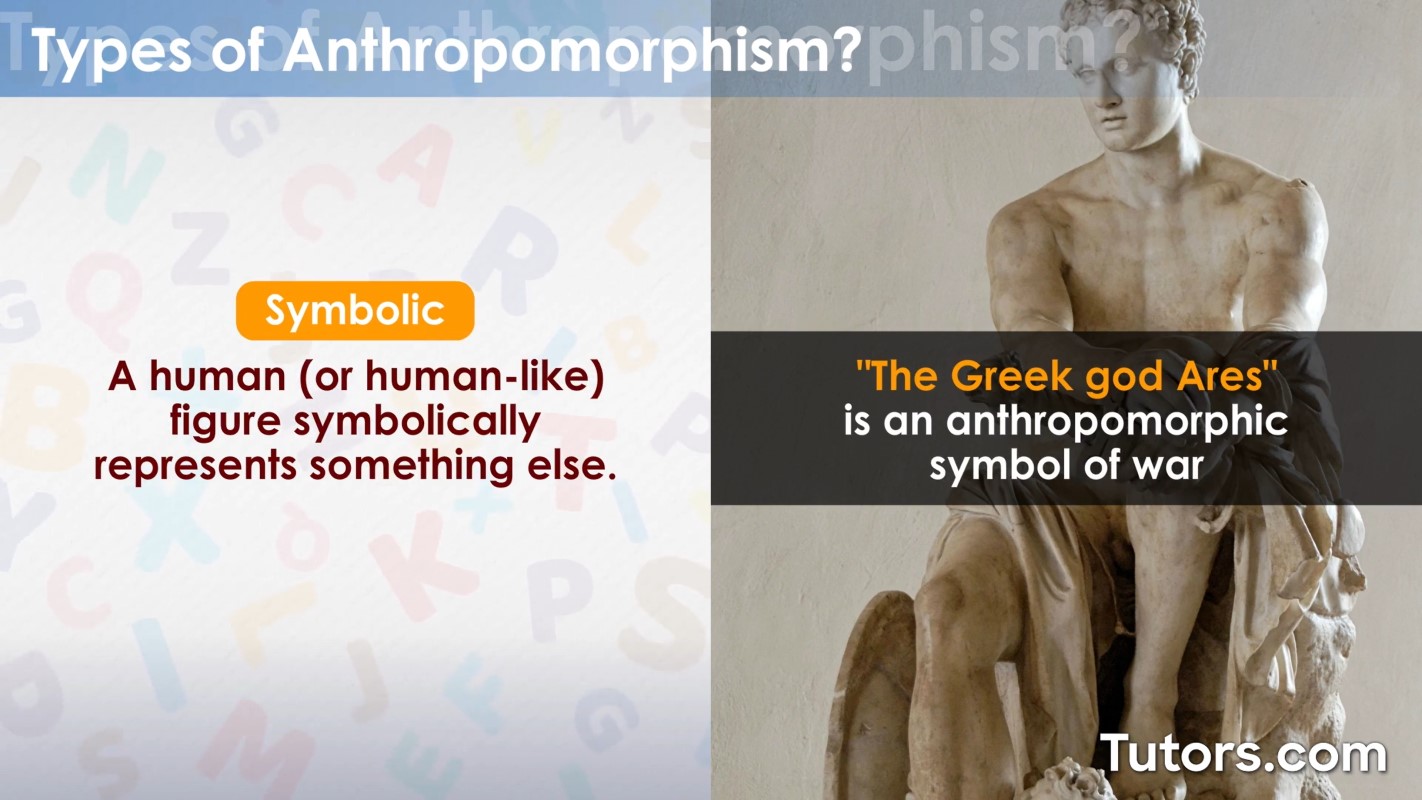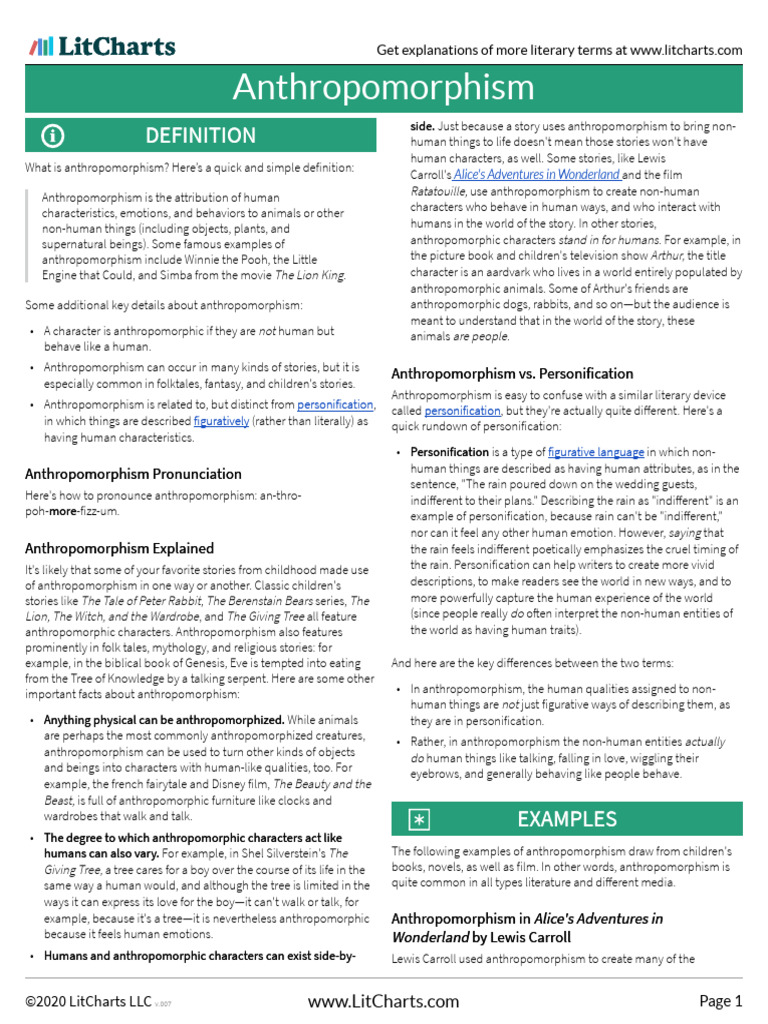
The realm of education is continually evolving, perpetually seeking innovative methods to captivate learners and enrich their understanding. Among the many pedagogical tools, anthropomorphic teaching aids stand out as uniquely effective. These aids—objects or representations imbued with human characteristics—do more than just convey information; they promise a transformative shift in how knowledge is internalized and experienced. This approach piques curiosity, challenges conventional instructional paradigms, and invites educators and students alike into a more dynamic learning interplay. But what exactly fuels the prominence of anthropomorphic teaching aids in the contemporary classroom? This discourse explores the multifaceted rationale behind their widespread use and the intriguing cognitive and emotional pathways they unlock.
Anthropomorphism as a Catalyst for Emotional Engagement
One compelling reason teachers employ anthropomorphic teaching aids is their unparalleled ability to foster emotional connections. Humans are instinctually wired to relate to human-like traits. When educational materials assume expressive faces, gestures, or voices, they transcend cold abstraction and take on personable identities. This imbues lessons with relatability and warmth. Students are no longer passively receiving data; instead, they engage with characters that evoke empathy, curiosity, and even humor.
Emotional engagement is not frivolous—it forms a vital bridge between attention and retention. The human brain encodes emotional experiences more deeply, making content tied to anthropomorphic figures more memorable. For example, a puppet embodying a historical figure or a talking planet explaining complex science concepts can transform rote memorization into an immersive narrative. The affective response generated sustains learners’ focus and encourages active participation, amplifying the overall pedagogical impact.
Anthropomorphic Aids as Agents of Conceptual Simplification
Complex abstractions frequently hinder comprehension, especially among younger learners or those encountering new subjects. Anthropomorphic teaching aids serve as interpretative intermediaries, distilling convoluted ideas into accessible experiences. By attributing human motives, emotions, or behaviors to inanimate concepts or natural phenomena, these aids render the intangible tangible.
Consider a model of the heart with eyes and arms that “talks” about pumping blood. Such a device externalizes biological functions in a manner that relates to children’s everyday experiences. The heart ceases to be merely an enclosed muscle; it becomes a character with “jobs” and “feelings,” allowing learners to grasp its function through familiar narrative structures. This personification simplifies cognitive load, facilitating comprehension without sacrificing scientific integrity.
Stimulating Higher-Order Thinking Through Narrative and Role-Play
Anthropomorphic teaching aids inherently invite storytelling and imaginative engagement, essential components of deep learning. Their humanized attributes encourage students to infer motivations, predict behaviors, and analyze scenarios—actions that align with higher-order cognitive skills such as analysis, synthesis, and evaluation.
Role-playing exercises using anthropomorphic characters propel learners to transcend passive reception and assume active cognitive agency. For instance, a classroom discussion led by an anthropomorphized environmental mascot can provoke debates about conservation ethics and human responsibility. These interactions promote critical thinking and moral reasoning, skills that traditional didactic methods may inadequately cultivate.
Bridging Diverse Learning Styles and Needs
Every classroom is a microcosm of diverse cognitive profiles and learning preferences. Anthropomorphic teaching aids offer a versatile, multisensory platform to accommodate this heterogeneity. Visual learners benefit from expressive designs; auditory learners gain from dialogues and sounds; kinesthetic learners engage through manipulatives that emulate human actions.
Moreover, these aids can serve as scaffolding tools for students with special education needs. The familiarity and predictability of human traits embedded in learning materials provide emotional security and cognitive cues, facilitating communication and comprehension. The adaptability of anthropomorphic aids ensures inclusivity, helping educators reach learners who might otherwise disengage.
Encouraging Social and Collaborative Learning
Learning is an inherently social endeavor. Anthropomorphic teaching aids naturally lend themselves to collaborative activities. When students assign personalities, voices, or stories to these aids, they create shared experiences that promote social bonding and cooperation. Group projects centered around anthropomorphic characters nurture dialogue, perspective-taking, and negotiation skills.
This social dimension not only enriches content mastery but also builds a learning community. Teachers harness anthropomorphism to transform isolated study into collective exploration. The aids become catalysts for interaction, enabling learners to teach and learn from one another through mediated, playful exchanges.
Revitalizing Traditional Teaching Paradigms
Anthropomorphic teaching aids challenge and revitalize conventional instructional frameworks. They dissolve the rigid boundaries between educator, learner, and content by introducing a third, interactive presence within the pedagogical ecosystem. This shift reconfigures classrooms into vibrant, participatory spaces where knowledge emerges dialogically rather than unidirectionally.
By embedding human traits within tools, teaching transcends transmission and becomes transformation. Students no longer consume facts; they engage in conversations, debates, and collaborative storytelling with anthropomorphized agents. This paradigm shift fosters autonomy, curiosity, and a lifelong passion for inquiry, redefining what effective teaching can entail.
Harnessing Cultural and Developmental Resonance
Anthropomorphic teaching aids resonate deeply across cultural narratives and developmental stages. Many cultures have rich traditions of animism and storytelling that attribute life and character to non-human entities. Leveraging these cultural archetypes in education catalyzes connections that feel natural and affirm identity.
From a developmental perspective, children’s imaginations naturally gravitate towards personification as a way of interpreting the world. Incorporating anthropomorphic elements aligns instruction with intrinsic cognitive tendencies, thereby enhancing receptivity and enthusiasm. This resonance makes learning not only effective but also culturally and psychologically congruent.
Conclusion: A Paradigm Infused With Human Insight
The utilization of anthropomorphic teaching aids extends far beyond novelty; it constitutes a profound pedagogical strategy that marries emotion, cognition, culture, and sociality. By humanizing concepts and inviting imaginative interplay, these aids unlock avenues of engagement and understanding otherwise difficult to attain. They shift perspectives, transforming classrooms into ecosystems where learning is alive, interactive, and deeply human. Teachers continue to embrace anthropomorphism not just as a tool, but as a promise—one that redefines the journey of knowledge through the lens of empathy and curiosity.