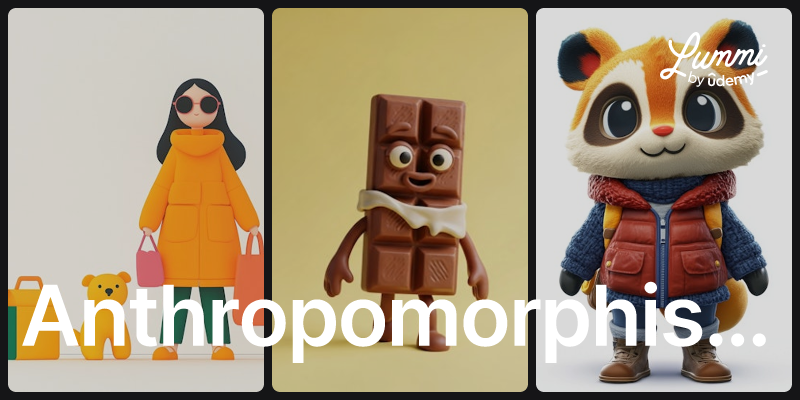
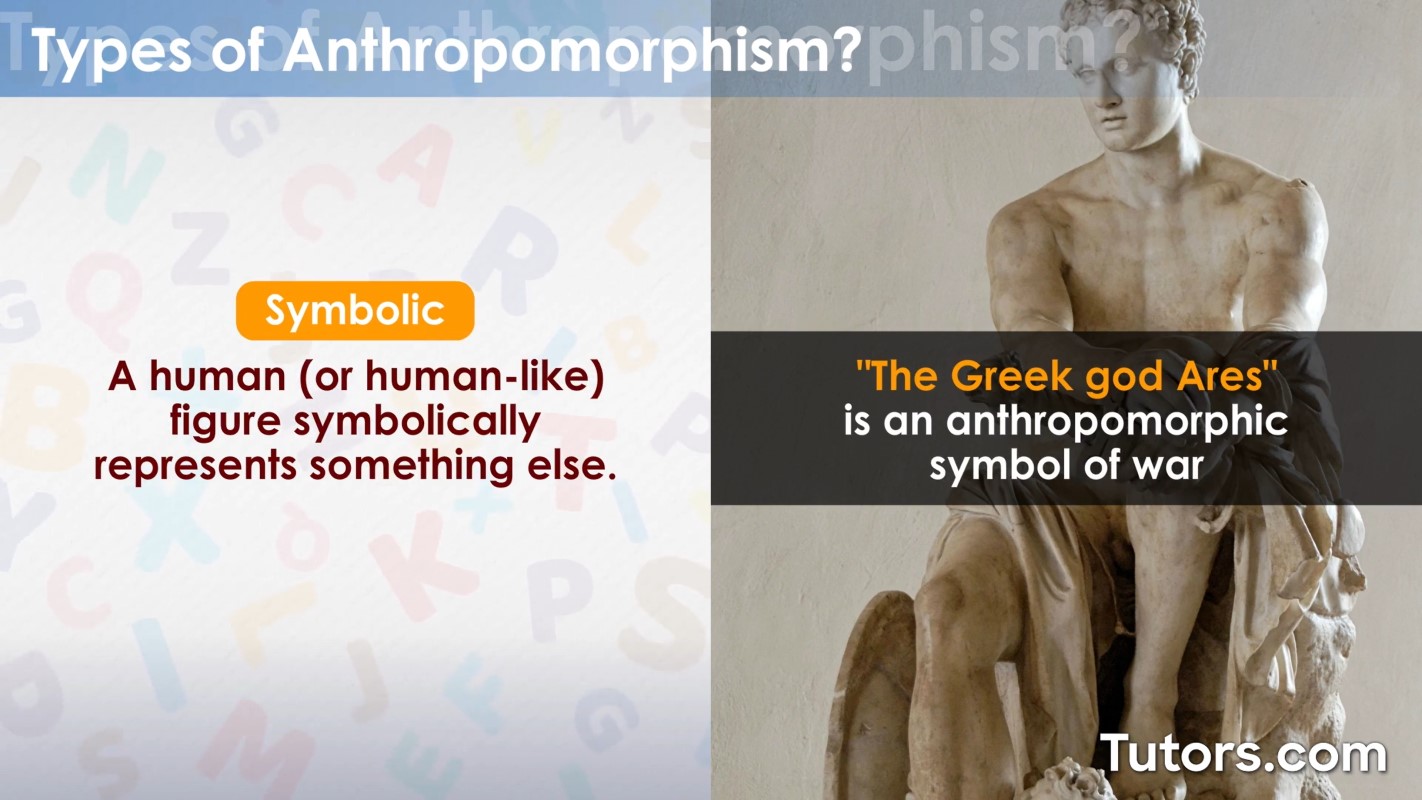
Anthropomorphism—the attribution of human traits, emotions, or intentions to non-human entities—has long captivated human imagination and culture. Beyond its roots in mythology and storytelling, this cognitive tendency holds profound implications for the modern challenge of sustainability. When we begin to perceive nature, ecosystems, and even inanimate objects as bearers of human-like qualities, a subtle yet transformative shift unfolds in our relationship with the environment. This shift promises to rekindle empathy, inspire stewardship, and reframe the narratives that underpin sustainability efforts. Contemplating anthropomorphism’s impact invites a novel perspective—one that holds potential to deepen our collective commitment to safeguarding the planet.
Reimagining Nature as a Sentient Partner
Anthropomorphism allows humanity to reimagine nature not as a detached and inert backdrop, but as a sentient partner in our shared existence. By attributing human-like intentions or emotions to elements of the natural world, people often feel a heightened sense of intimacy and connection. This psychological mechanism fosters empathy—a crucial ingredient in motivating environmental action.
When rivers are seen as “living veins” nourishing the earth, or forests as “breathing lungs” of the planet, these metaphors transcend abstract ecological facts and evoke a relational bond. Sustainability efforts benefit from this because individuals and communities begin to perceive environmental harm as a form of interpersonal betrayal rather than mere resource depletion. This catalyzes more responsible behavior, turning environmental stewardship into an ethical imperative grounded in familiar social constructs.

Harnessing Anthropomorphism to Mobilize Behavioral Change
Behavioral science underlines the power of narrative and emotional engagement to shape decision-making. Anthropomorphism operates as a compelling narrative device that effectively mobilizes public support for sustainability by humanizing complex or distant environmental issues.
Campaigns that feature animals expressing distress or landscapes “pleading” for relief tap directly into this psychological conduit. Such strategies transcend cognitive barriers, reaching audiences on an emotional level, which is often more motivating than statistics or scientific jargon alone. The implicit promise here is profound: when ecosystems and species are perceived as possessing desires and vulnerabilities akin to humans, protecting them becomes analogous to protecting loved ones.
Moreover, this approach can unlock inclusivity by bridging cultural and educational gaps, making environmental concepts accessible and relatable through familiar human experience.
Potential Pitfalls: Oversimplification and Misrepresentation
Despite its promise, anthropomorphism carries inherent risks when applied uncritically to sustainability discourse. Assigning human traits to nature may lead to oversimplifications that obscure the intricate and non-human dynamics of ecological systems. It can generate misconceptions by implying intentionality where none exists, potentially skewing public understanding.
For instance, describing a forest as “angry” during a wildfire might evoke sympathy, but it also risks anthropogenic misrepresentation of natural fire regimes which play essential ecological roles. This oversimplification may hinder developing nuanced conservation strategies that require scientific precision.
Additionally, an overreliance on anthropomorphic interpretations might obscure the agency of human systems driving environmental degradation, detracting from accountability in policy and industry. Thus, while potent, anthropomorphic narratives must be used judiciously—balanced with empirical knowledge to avoid distortions that could hamper genuine sustainability advances.
Shaping Environmental Ethics through Anthropomorphism
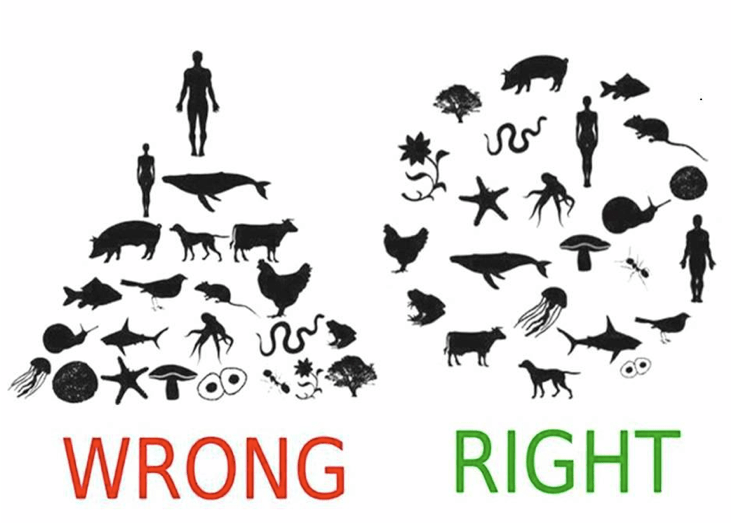
Anthropomorphism’s influence extends deeply into the realm of environmental ethics, a domain pivotal for sustainability. By blurring the boundaries between human and non-human, it challenges traditional anthropocentric worldviews and nurtures a sense of kinship across species and ecosystems.
This ethical evolution encourages intrinsic valuation of nature, recognizing non-human life and systems as worthy of moral consideration, not merely as means to human ends. Such paradigmatic shifts can fuel stronger protective legislation and more conscientious consumer behavior.
The allure of anthropomorphism lies precisely in its ability to pierce through abstract ecological principles to kindle heartfelt ethical engagement. Communities embracing this expanded moral circle find themselves rethinking consumption, conservation, and coexistence in ways that are both profound and practical.
Technological and Educational Frontiers Amplifying Anthropomorphic Perspectives
Advances in technology and educational methodologies amplify the impact of anthropomorphism in sustainability. Virtual reality experiences that personify endangered species or interactive applications that allow users to “converse” with ecosystems create immersive empathy-building opportunities otherwise unattainable.
Similarly, educational frameworks incorporating anthropomorphic storytelling foster environmental literacy by aligning scientific concepts with emotional resonance. This combination not only piques curiosity but also empowers future generations with a relational understanding of sustainability challenges.
Such innovations suggest that anthropomorphism is not merely a rhetorical flourish but an emergent tool in the evolving playbook of sustainability, marrying intuition with innovation to inspire deeper planetary care.
A Call for Integrative Approaches in Sustainability Strategies
To harness anthropomorphism’s full potential, sustainability efforts must integrate this humanizing lens with rigorous scientific inquiry. The future of environmental preservation may hinge on this synergy—where empathy kindled by anthropomorphic imagination fuels informed action grounded in ecological reality.
This integrative approach promises a more holistic engagement with the environment, one that honors both the emotional and intellectual facets of human existence. It invites curiosity to flourish as individuals grapple with the paradoxes and beauties of a living planet that simultaneously reflects aspects of ourselves and transcends them.
Ultimately, anthropomorphism unlocks a new narrative horizon—one that beckons us to embrace the Earth as kin and co-inhabitant. This perspective holds the promise of transforming sustainability from a technical challenge into a profound ethical journey, stirring collective will toward a more harmonious future.