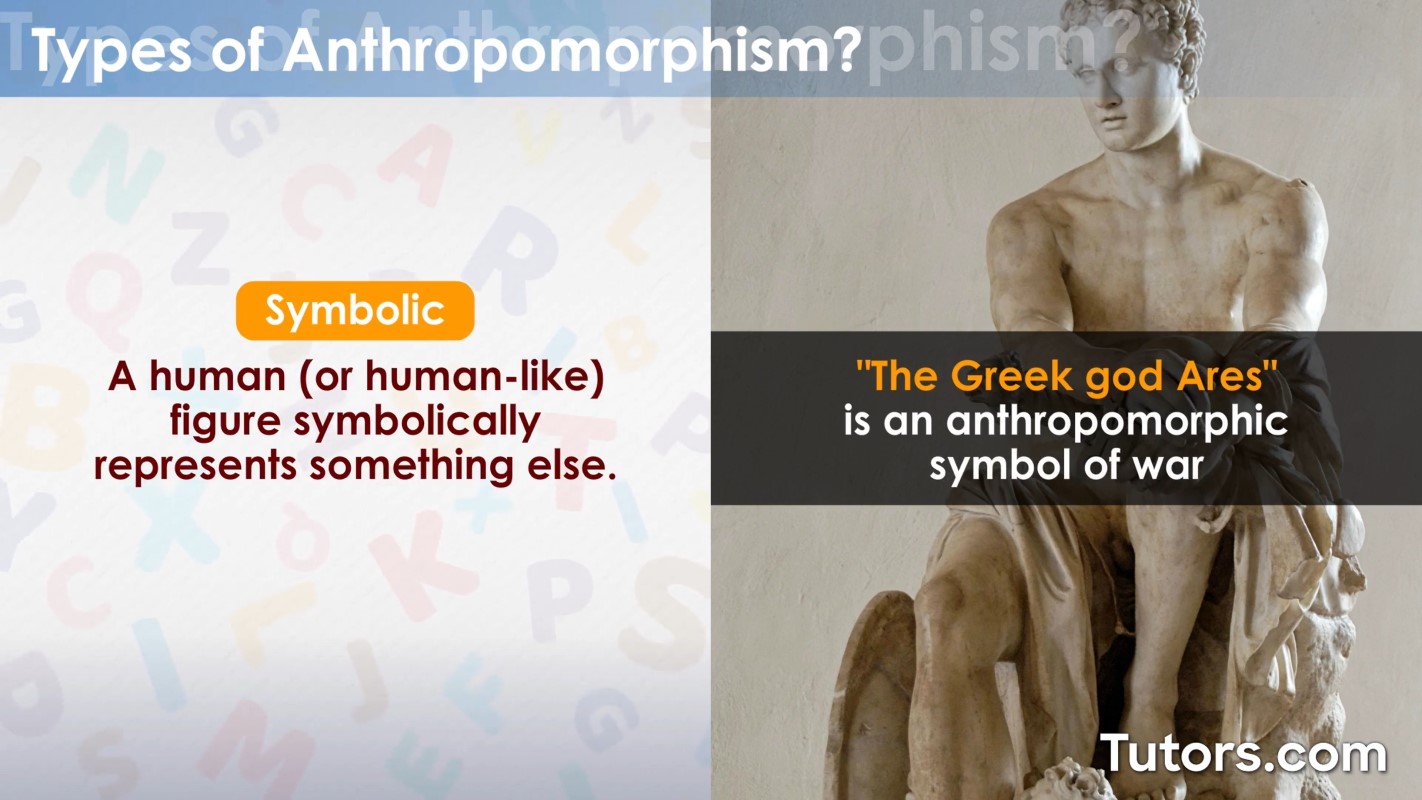
Have you ever wondered why some individuals with brain disorders tend to attribute human-like qualities to objects, animals, or even abstract concepts more frequently than others? This curious phenomenon of increased anthropomorphism invites a tantalizing inquiry into how the brain’s intricate workings influence our perceptions of the world. Could it be that certain neurological alterations spark a playful yet profound reshaping of how we interact with and interpret our surroundings? Exploring this mysterious interplay between brain disorders and anthropomorphism unveils a compelling challenge: to unravel the neurocognitive and psychological mechanisms that blur the lines between humanity and the inanimate or non-human entities.
The Neurological Substrates Underpinning Anthropomorphism
Anthropomorphism—the attribution of human traits, emotions, or intentions to non-human entities—stems from fundamental brain processes rooted in social cognition. Central to this tendency is the activity within brain regions responsible for theory of mind (ToM), such as the medial prefrontal cortex, temporoparietal junction, and the superior temporal sulcus. These areas allow individuals to infer intent, predict behavior, and attribute mental states, which typically facilitate social interactions with other humans. However, when brain disorders disrupt or alter these regions, the interpretative frameworks can become unconventionally heightened or impaired, reshaping the boundaries of social attribution.
For example, in conditions where there is hyperactivation or compensatory recruitment of ToM networks, individuals might extend their social-cognitive abilities beyond typical human targets, imbuing animals, objects, or abstract concepts with elaborate human-like qualities. Conversely, damage or dysfunction in these regions can paradoxically degrade nuanced social understanding, prompting a reliance on simplified, anthropomorphic heuristics as cognitive shortcuts to make sense of the environment.
Disrupted Reality Processing and The Need for Meaning
Brain disorders often bring with them altered perceptions and cognitive dissonances that challenge an individual’s grasp on reality. Such disruptions can lead to feelings of alienation from the world and others, provoking an intrinsic desire to restore coherence through familiar frameworks. Anthropomorphism serves as a cognitive balm—a means to re-inject meaning into unpredictable or baffling experiences.
Particularly in disorders like schizophrenia or certain forms of dementia, where reality monitoring and distinction between self and other may be compromised, the propensity to anthropomorphize serves as a coping mechanism. It fills the void left by fragmented interpersonal connections, providing a semblance of relational engagement or emotional resonance. The brain, thus, uses anthropomorphism as a bridge over fractured cognitive terrain, offering a vivid narrative that reinstates agency and familiarity in an otherwise chaotic mental landscape.
Emotional Attribution and Hyperempathetic Responses
Certain neurological conditions, especially those affecting the limbic system or frontotemporal regions, can amplify emotional responses or disrupt emotional regulation. These alterations may enhance empathetic engagement not just toward humans, but toward non-human stimuli as well. The result is an increased tendency to ascribe feelings, intentions, and even moral qualities to animals, toys, or symbols.
For instance, individuals with frontotemporal dementia sometimes exhibit hyperempathetic behavior, showing intense attachment to inanimate objects or animals by projecting complex emotional states. This emotional extension is closely tied to changes in the brain’s ability to inhibit inappropriate social responses, rendering anthropomorphism both more frequent and more vivid. It can manifest as treating pets as surrogate family members or interpreting household objects as companions with desires and moods.
The Evolutionary Legacy: From Adaptive Trait to Neurological Aberration
Anthropomorphism is not merely a cultural or whimsical habit; it has deep evolutionary roots. Early humans benefitted from a heightened sensitivity to agency detection—identifying intentionality where it might exist as a survival advantage. Mistaking a rustling bush for a human predator, while sometimes a false alarm, was safer than failing to detect danger. This hyperagency detection system laid the groundwork for anthropomorphic thinking.
Brain disorders can disturb the calibration of this system, either by exaggerating its detection thresholds or by impairing its discriminative precision. The consequence? A biological predisposition morphs into a neurological propensity for overattribution of human qualities. What was once an evolutionary safeguard can become a challenging cognitive distortion, blurring reality and fantasy, the animate and the inanimate.
Impact of Brain Morphology Abnormalities on Social Cognition
Structural brain abnormalities—ranging from congenital malformations to acquired lesions—can profoundly influence social cognitive abilities, often modulating anthropomorphism. Variations in brain morphology in areas linked with social processing, emotional regulation, and memory integration can alter the neural networks that support how humans perceive and relate to others.
For example, variations in the size or connectivity of the amygdala and hippocampus affect emotional salience and memory recall, shaping the intensity and frequency with which individuals anthropomorphize. Changes in white matter tracts can reduce the effectiveness of neural communication, resulting in compensatory overactivation of alternate pathways involved in attributing human characteristics to non-human entities. Thus, morphological changes impose measurable influences that recalibrate the social cognitive ecosystem within the brain.
Challenges and Therapeutic Implications
Recognizing the association between brain disorders and anthropomorphism opens new avenues for therapeutic intervention and support. While anthropomorphic tendencies can sometimes nurture creativity, social bonding, and emotional comfort, excessive or maladaptive anthropomorphism may hinder social rehabilitation or reinforce delusional frameworks.
Therapeutic strategies focusing on enhancing cognitive flexibility, reality testing, and emotional regulation can help individuals recalibrate their tendency to anthropomorphize. Tailored neuropsychological therapies, social skills training, and even virtual reality environments that gently reorient social perception offer promising tools. Understanding the neural and psychological origins of increased anthropomorphism aids clinicians in addressing not just symptoms, but the deeper neurocognitive patterns that underpin the behavior.
In the final analysis, the question “Why do some brain disorders increase anthropomorphism?” invites an exploration into the profound and sometimes paradoxical nature of human cognition. It reveals how alterations in brain function can reverberate through social perception and emotional experience, reshaping how individuals relate to a world inhabited by humans and beyond. This enigmatic interplay challenges us not only to understand the brain’s mysteries but also to appreciate the delicate balance between reason, empathy, and imagination that defines our shared humanity.