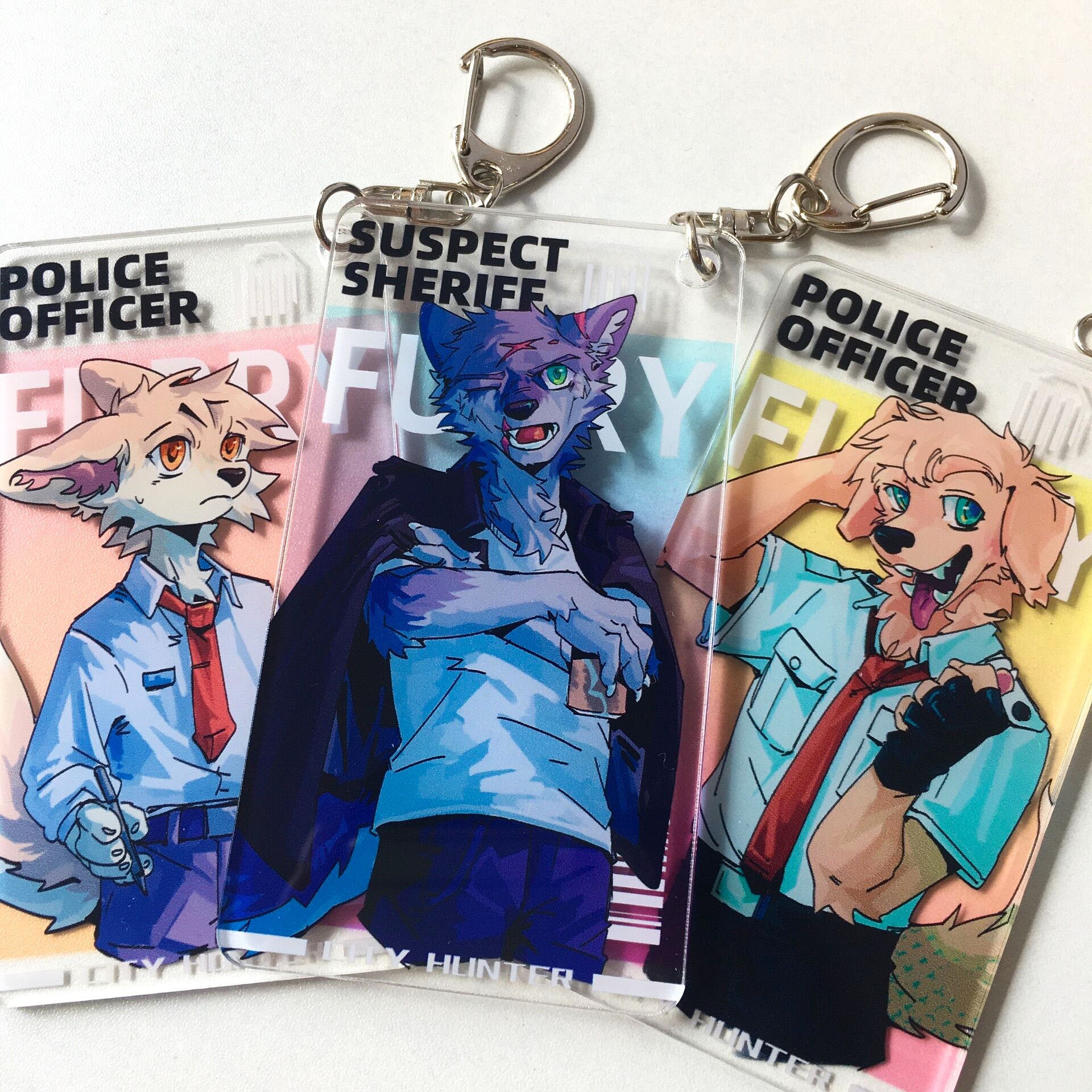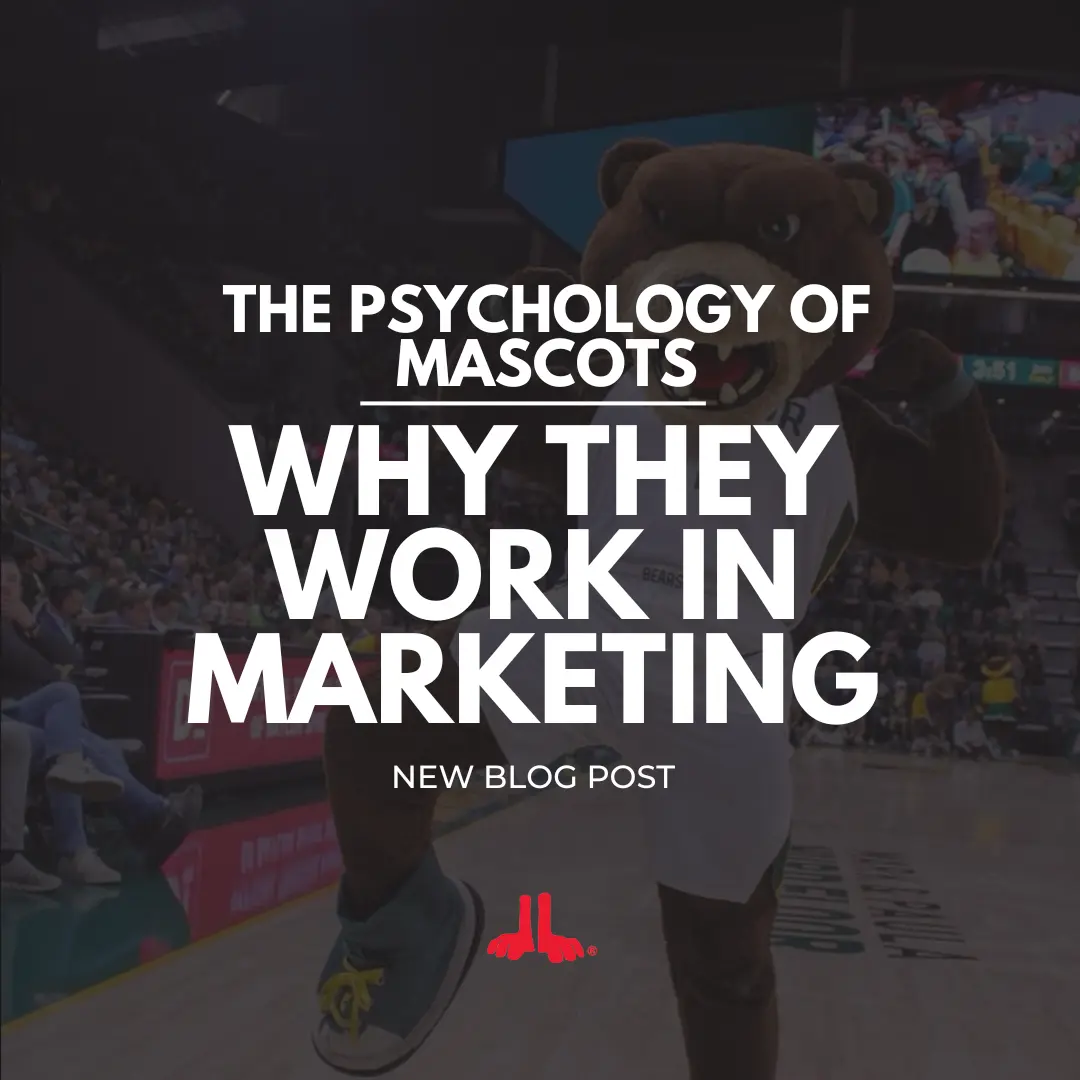
Why do some companies choose to introduce anthropomorphic mascots not just to the public, but within the very fabric of their own organizations? It may seem whimsical or even frivolous at first glance—after all, aren’t mascots primarily tools for external branding and consumer engagement? Yet, diving deeper reveals a labyrinth of psychological and cultural motivations underpinning this trend, along with potential challenges that organizations must navigate.
The Power of Personification to Foster Internal Identity
At the heart of the use of anthropomorphic mascots within companies lies the ancient human proclivity for personification. By assigning human traits, emotions, and behaviors to non-human entities, organizations summon a symbolic figure around which employees can rally. This mascot transcends mere visual iconography; it becomes a vessel of collective identity and a narrative device that embodies the company’s ethos. In an era of dispersed workplaces and fragmented communication channels, such gestalt figures can knit disparate departments into a coherent whole.
The mascot’s role is often synonymous with the company’s values articulated visually and behaviorally. By anthropomorphizing animals or objects, companies manifest traits such as resilience, agility, or trustworthiness in a relatable avatar. For employees, this creates an accessible shorthand for understanding corporate culture. Internalized mascots become more than a symbol; they are cultural ambassadors that sustain morale and unify purpose amid the complexities of daily work life.
Playing with Playfulness: Injecting Levity to Counter Workplace Stress
Introducing playfulness into an often rigid organizational environment is no trivial matter. Anthropomorphic mascots offer a structured outlet for levity and creativity, balancing professionalism with a touch of whimsy. This playful interlude has practical benefits: it mitigates workplace stress, encourages informal communication, and fosters a sense of psychological safety.
Since humor and lightheartedness activate the brain’s reward systems, mascots become a conduit for emotional relief. They provide a non-threatening medium for employees to express dissatisfaction, share personal stories, or diffuse tension. The mascot’s persona can even be leveraged as a gentle instigator for introspection or behavioral change, transforming serious directives into palatable narratives. Yet, here lies a nuanced challenge—if misaligned with workplace norms or values, the mascot’s playfulness risks undermining gravitas or alienating certain employee cohorts.
Anthropomorphic Mascots as Facilitators of Internal Communication
In multinational corporations or those with complex hierarchies, communication often suffers from dilution or distortion. Mascots surmount these barriers by functioning as charismatic interlocutors who transmit messages with consistency and character. They can articulate corporate updates, celebrate successes, or gently remind teams about best practices in ways that are engaging and memorable.
The anthropomorphic dimension endows mascots with approachability, creating an illusion of dialogue rather than directive. Employees may feel more receptive to messages delivered through a familiar and endearing figure rather than faceless emails or generic announcements. This can elevate engagement rates with internal campaigns and foster a deeper sense of involvement with organizational initiatives. However, crafting the mascot’s voice and presence warrants meticulous attention to cultural diversity and inclusivity to avoid unintentional miscommunications.
Enhancing Employee Motivation through Symbolic Representation
Motivation is often an intangible, elusive state, yet mascots capitalize on symbolic representation to concretize aspirational ideals. The mascot’s character traits mirror those that organizations desire in their workforce—perseverance, innovation, empathy. By reinforcing these traits through the mascot’s imagery and internal storytelling, companies kindle a motivational undercurrent that subtly directs employee behavior.
The mascot becomes a silent coach, a daily reminder of what success looks like beyond charts and KPIs. This symbolic encouragement leverages narrative psychology, wherein storytelling shapes identity and action. Moreover, internal awards or recognitions featuring mascots personalize achievements, making acknowledgment feel more authentic. Yet, organizations must guard against superficiality; mascots must be embedded authentically within corporate culture to sustain motivational impact rather than devolve into mere gimmicks.
The Challenge of Balancing Professionalism and Approachability
While anthropomorphic mascots introduce a dynamic, humanizing element within companies, they tread a fine line between professionalism and approachability. Some corporate cultures prize formal communication and rigid role delineations that may conflict with the mascot’s playful irreverence. Integrating a mascot internally requires careful calibration to ensure it complements rather than conflicts with corporate tenor.
Resistance can arise from employees who perceive mascots as trivializing serious work, or from leadership wary of diluting brand gravitas internally. Reconciling these tensions demands a strategic approach: mascots must embody core values authentically and be deployed with situational sensitivity. When executed adeptly, mascots soften hierarchical bottlenecks, democratize culture, and humanize the workplace without sacrificing professionalism.
The Mascot as a Catalyst for Organizational Change and Innovation
Organizations face constant evolution in the modern business landscape, and internal mascots can serve as agents of transformation. Their flexible, symbolic form allows them to champion new initiatives, encourage risk-taking, and signal shifts in strategy with a degree of imaginative freedom that traditional communications often lack.
By embodying innovation or adaptability, mascots inspire employees to embrace change rather than resist it. They can be woven into training modules, change management campaigns, and innovation contests, granting a recognizable and energizing figurehead to often abstract or intimidating processes. However, the effectiveness of this role depends on consistent reinforcement and alignment with tangible changes; mascots disconnected from real organizational shifts risk becoming hollow symbols.
Conclusion: The Subtle Alchemy of Mascots Within Corporate Walls
Embedding anthropomorphic mascots within companies is a subtle alchemy—blending psychology, culture, communication, and symbolism to forge deeper internal connections. These mascots do far more than entertain; they cultivate identity, ease stress, facilitate dialogue, motivate action, and underpin change. Nonetheless, the journey is punctuated with challenges that require nuance and strategic intent.
When thoughtfully integrated, internal mascots transform abstract corporate narratives into relatable stories. They humanize the intangible and animate the organizational spirit, posing not just playful questions but inviting collective answers about what a company stands for and how it thrives from within.