In contemporary work environments, the subtle psychology underpinning human interaction extends beyond interpersonal dynamics to the ways employees perceive and relate to inanimate objects, technologies, and even organizational structures. Anthropomorphism—the attribution of human traits, emotions, or intentions to non-human entities—plays a pivotal, though often unacknowledged, role in shaping workplace culture, motivation, and communication. This psychological phenomenon offers a multifaceted lens through which to better understand employee engagement, technology adoption, leadership perception, and corporate identity. The ensuing exploration delves into various dimensions of anthropomorphism within professional settings, examining its cognitive roots and practical implications.
The Cognitive Foundations of Workplace Anthropomorphism
At its core, anthropomorphism arises from a fundamental human propensity to impose familiar frameworks onto ambiguous or unfamiliar stimuli. This cognitive shortcut simplifies complex environments by projecting human-like qualities onto objects, technologies, or concepts lacking intrinsic consciousness or emotion. Within the workplace, this tendency manifests when employees personify digital assistants, corporate policies, or even office infrastructure. By humanizing these elements, individuals create narratives that foster understanding and predictability, which can mitigate stress and uncertainty. The mechanism is deeply entwined with theory of mind—the psychological ability to attribute mental states to others—extending this to non-human agents to facilitate smoother interaction.
Anthropomorphism and Employee Engagement with Technology
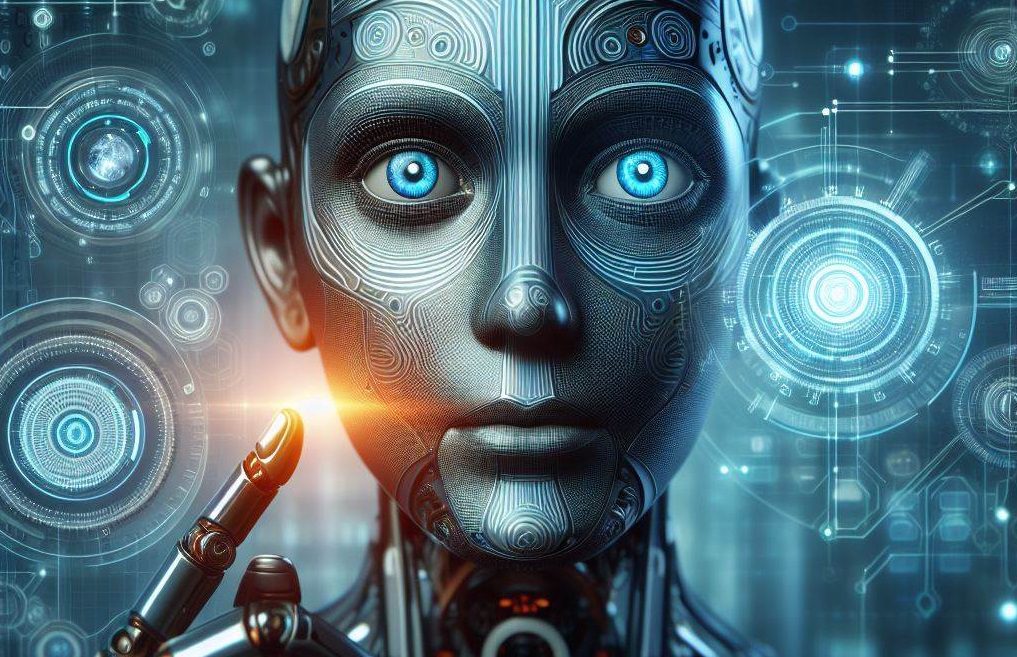
Modern workplaces increasingly rely on sophisticated technological tools, from AI-driven chatbots to virtual meeting platforms. Anthropomorphizing these technologies often enhances user experience and engagement. For example, when staff perceive a digital assistant as personable or empathetic, they are more likely to interact with it naturally and frequently, thereby maximizing efficiency and satisfaction. Conversely, the failure to imbue technology with relatable characteristics can provoke alienation or frustration, hindering adoption. This dynamic reveals the importance of interface design that incorporates anthropomorphic cues—such as human-like avatars or conversational syntax—to cultivate trust and ease anxiety about automation.
Personification of Corporate Leadership and Its Impact
Employees often anthropomorphize organizational leadership, attributing intentions, emotions, and ethical stances to executives or managerial bodies. This personification shapes perceptions of corporate benevolence, fairness, and reliability, influencing morale and commitment. When leadership is perceived as a ‘living’ entity with recognizable traits, workers may feel a stronger sense of alignment or dissonance, far beyond the actual policies or actions in place. This psychological projection can sometimes engender unrealistic expectations or scapegoating, but it also opens avenues for storytelling and symbolic communication that reinforce organizational values and identity.
Utilizing Anthropomorphism to Foster Team Cohesion
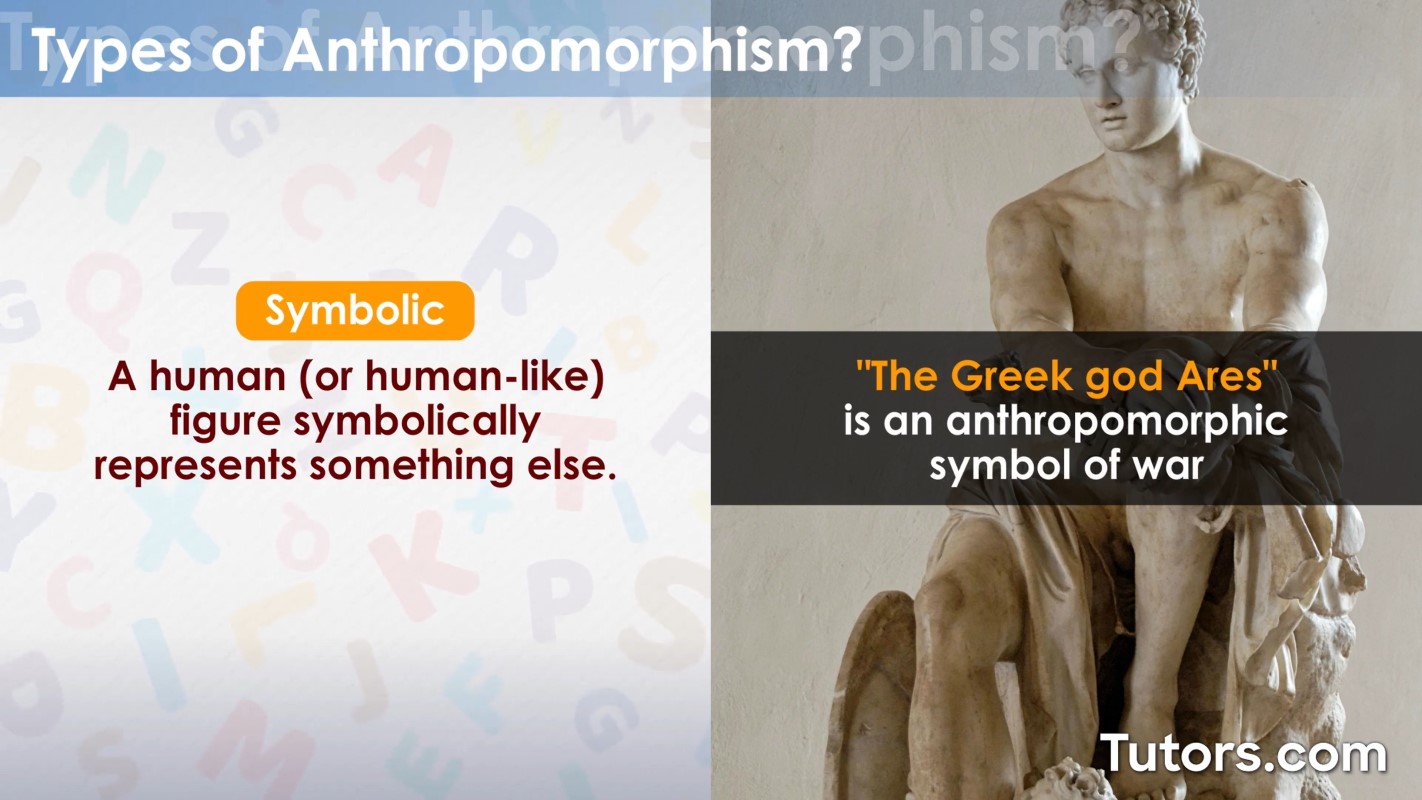
While anthropomorphism typically involves non-human entities, it also informs how teams conceptualize themselves as collective units with quasi-human characteristics. Teams might adopt mascots, nicknames, or shared narratives that personify the group’s history, ethos, or mission. These symbolic embodiments encourage identification, camaraderie, and collective responsibility. Moreover, assigning humanlike qualities to abstract group dynamics helps members navigate complex social interactions, resolve conflicts, and coordinate actions. This collective anthropomorphism functions as a social glue, enhancing cohesion in diverse and distributed teams.
The Role of Anthropomorphism in Organizational Culture and Brand Identity
Beyond individual and team perspectives, corporate culture itself often takes on anthropomorphic features, especially in branding and public relations. Organizations may be portrayed as having personalities—whether innovative, nurturing, aggressive, or ethical—that resonate emotionally with both employees and consumers. These personified identities help in articulating corporate mission statements and in establishing a distinct presence within competitive markets. Internally, when workers embrace the company’s anthropomorphic image, it can create a shared sense of pride and belonging. Externally, this imagery facilitates emotional connections that transcend transactional relationships.
Challenges and Pitfalls: When Anthropomorphism Misleads
Despite its benefits, anthropomorphism in the workplace is not without drawbacks. Misattributing human intent or moral reasoning to algorithmic systems or business processes can result in misplaced trust or ethical complacency. For example, assuming a digital hiring tool is ‘fair’ in human terms ignores inherent algorithmic biases, potentially perpetuating discrimination. Similarly, personifying organizations or leaders can obscure accountability, as negative outcomes may be ascribed to ‘bad actors’ rather than systemic issues. Critical awareness of these limitations is essential to harness anthropomorphism constructively rather than blindly.
Practical Strategies for Integrating Anthropomorphism Positively
Organizations aiming to leverage anthropomorphism can adopt deliberate strategies to enhance communication, motivation, and technology interaction. These include designing user interfaces with relatable personas, crafting leadership narratives that embody shared values, and cultivating team rituals that personify collective identity. Training programs can encourage mindful recognition of anthropomorphic tendencies, helping staff discern beneficial from detrimental projections. By framing anthropomorphism as a tool rather than a bias, workplaces can foster more empathetic, intuitive, and adaptive environments.
Future Perspectives: Anthropomorphism in the Evolving Workplace
As artificial intelligence and remote collaboration redefine professional landscapes, the role of anthropomorphism is poised to intensify. Virtual agents equipped with sophisticated social cues will blur lines between human and machine, amplifying psychological attachments. Likewise, distributed teams may rely more heavily on shared symbols and personifications to maintain cohesion across digital divides. Understanding and proactively managing the psychological underpinnings of anthropomorphism will be critical to navigating these changes, ensuring that human-centered workplace design continues to promote well-being and productivity.