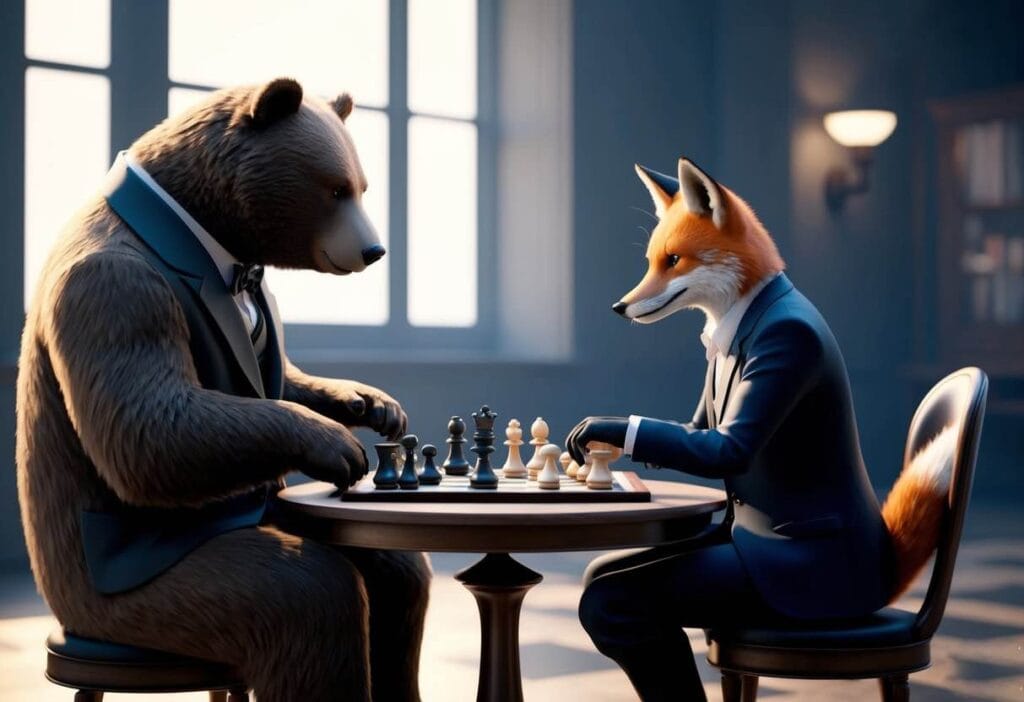
Throughout human history, the portrayal of animals endowed with human traits—anthropomorphism—has captured the collective imagination across diverse cultures. This enduring fascination reveals a profound symbolic resonance that surpasses mere storytelling. From the cunning fox to the noble lion, anthropomorphic animals serve as mirrors reflecting human virtues, vices, and existential queries. But what lies beneath this widespread captivation? Exploring the symbolism of these figures in folklore opens a window into the fundamental ways humans interpret their world and themselves.
The Universal Appeal of Anthropomorphic Animals
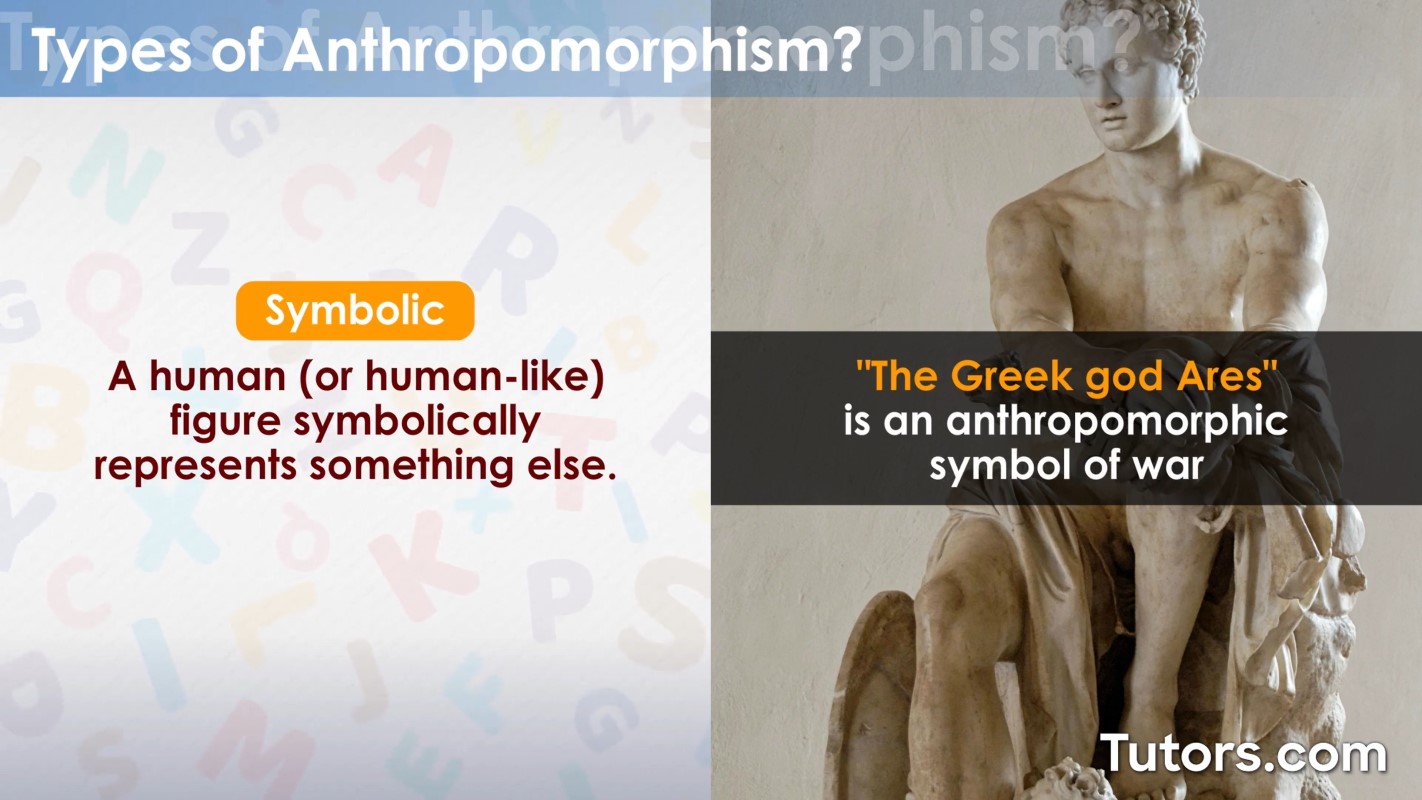
The allure of anthropomorphic animals in folklore is rooted in a universal cognitive and emotional predilection. Humans possess an innate tendency to attribute human characteristics to non-human entities, a psychological phenomenon known as anthropomorphism. This trait enables individuals to bridge the ontological gap between species, making the unfamiliar accessible and relatable. In folklore, this manifests as animals that talk, reason, or behave like humans, engaging audiences with stories that embody human experience while cloaked in the guise of nature’s creatures.
Animals endowed with human features are often more approachable protagonists than humans themselves, allowing storytellers to explore complex themes such as morality, identity, and power dynamics without direct social confrontation. This narrative device fosters a safe space for commentary and introspection, where lessons can be shared with subtlety and richness.
Symbolic Encoding: Animals as Archetypes
Delving deeper, anthropomorphic animals function as archetypal symbols, each species carrying a constellation of attributed meanings that resonate across time and place. These archetypes are deeply embedded in cultural mythos and collective unconscious, serving as shorthand for particular human traits or cosmic principles.
For example, the fox often epitomizes cunning and adaptability. Folklore traditions from Scandinavia to South America portray the fox as a trickster figure, simultaneously admired and mistrusted for its cleverness. Conversely, the lion symbolizes strength, leadership, and nobility, frequently appearing as the regal sovereign in African and European narratives. Such symbolic encoding crystallizes complex human qualities into vivid imagery, allowing storytellers to convey ethical or existential messages with immediacy and impact.
Anthropomorphism as a Cognitive Tool for Moral Teaching
One of the primary functions of anthropomorphic animals in folklore is their utility in moral pedagogy. By assigning human emotions and dilemmas to animals, storytellers distill abstract ethical concepts into tangible lessons. This indirect approach to moral instruction is particularly effective with younger audiences, who may resist direct admonition but embrace tales rich with character and action.
Fables and parables frequently leverage this dynamic. A humble tortoise overcoming a boastful hare, a diligent ant thwarting a carefree grasshopper—these stories are more than mere entertainment. They systematically employ anthropomorphic animals to illustrate virtues like perseverance, prudence, and humility, offering ethical guidance couched in narrative charm.
Reflection of Human Society and Social Hierarchies
Anthropomorphic animals in folklore often mirror human social structures and tensions. By projecting societal roles and conflicts onto the animal kingdom, these stories provide a subtle critique or reinforcement of prevailing social orders. Different species might represent various social classes, professions, or personality types, enabling nuanced commentaries on power, justice, and community cohesion.
In certain traditional tales, the ant symbolizes the industrious common folk, working tirelessly for the greater good, while the lion or eagle might represent the ruling elite. This layered symbolism allows folklore to act as a social barometer, reflecting and shaping collective attitudes toward governance, cooperation, and inequality.
Anthropomorphic Animals as Mediators Between the Natural and Spiritual Realms
In many cultures, anthropomorphic animals serve a sacred function, operating as intermediaries between the mundane world and the spiritual or divine. Through their hybrid nature—part animal, part human—they can traverse boundaries inaccessible to ordinary mortals, embodying liminality and transformation.
This liminal role is evident in shamanistic traditions, where animal spirits with human qualities guide or protect tribes, embody wisdom and healing, and mediate cosmic forces. Folklore’s anthropomorphic animals thus sustain a symbolic dialogue between humanity and nature, reinforcing the interconnectedness of all life forms and the spiritual significance of the animal realm.
The Psychological Dimension: Projection and Identification
On an individual level, anthropomorphic animals invite psychological projection and identification. They externalize facets of the self, including shadow aspects or idealized traits, enabling people to explore their inner world through symbolic narrative. These stories provide an imaginative canvas where personal conflicts and desires are dramatized, facilitating catharsis and insight.
Such identification also fosters empathy, as audiences engage emotionally with animal characters facing dilemmas analogous to their own. This empathetic resonance elevates folklore beyond simple entertainment, transforming it into an experiential mode of self-reflection and psychological integration.
Cross-Cultural Variations and Enduring Themes
While the specific animals and symbolic connotations vary widely across cultures, certain themes persist. Trickery, wisdom, loyalty, bravery, and transformation frequently emerge as universal motifs. Scandinavian folklore might emphasize elusive forest spirits in animal form, South American stories often highlight the cunning and vitality of sacred beasts, and African traditions extol the bravery and moral strength of animal heroes.
This cross-cultural ubiquity underscores both the shared human psychology behind anthropomorphism and the adaptive diversity of folklore in encoding local values and environments. The rich tapestry of these stories invites continual reinterpretation and study, revealing ever more layers of meaning and cultural insight.
Conclusion: Beyond the Surface of Anthropomorphic Fascination
The symbolism of anthropomorphic animals in folklore transcends charming narratives or whimsical fantasies. It taps into fundamental human processes of making sense of the world—transforming the unknown into the intelligible, the chaotic into the moral, and the animalistic into the human. This profound interplay between human identity and animal symbolism explains the timeless allure of these figures. Far from being mere entertainment, folkloric anthropomorphic animals are profound vessels for cultural knowledge, ethical reflection, and spiritual connection. Their stories continue to resonate because they speak to the core of what it means to be human, framed through the familiar yet mysterious guise of the animal kingdom.