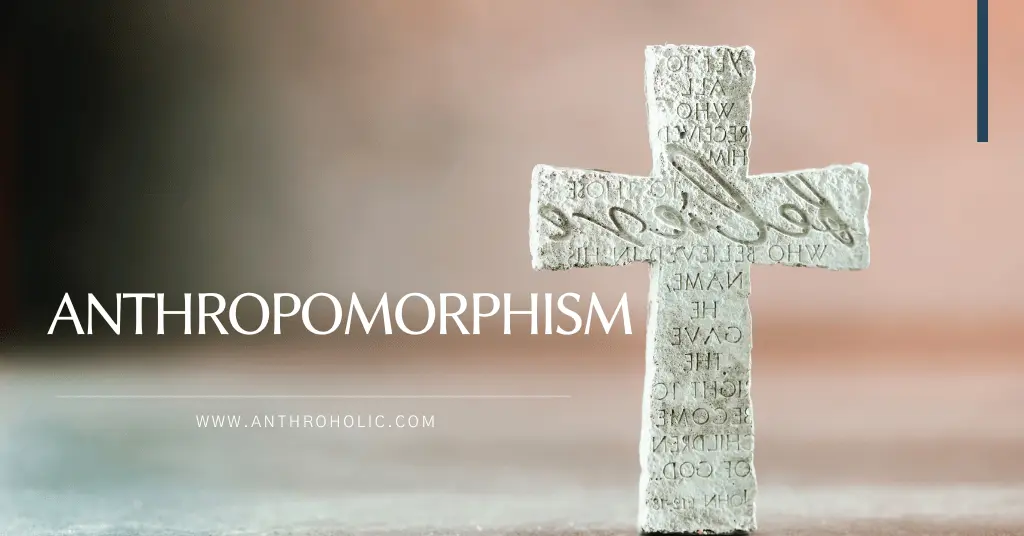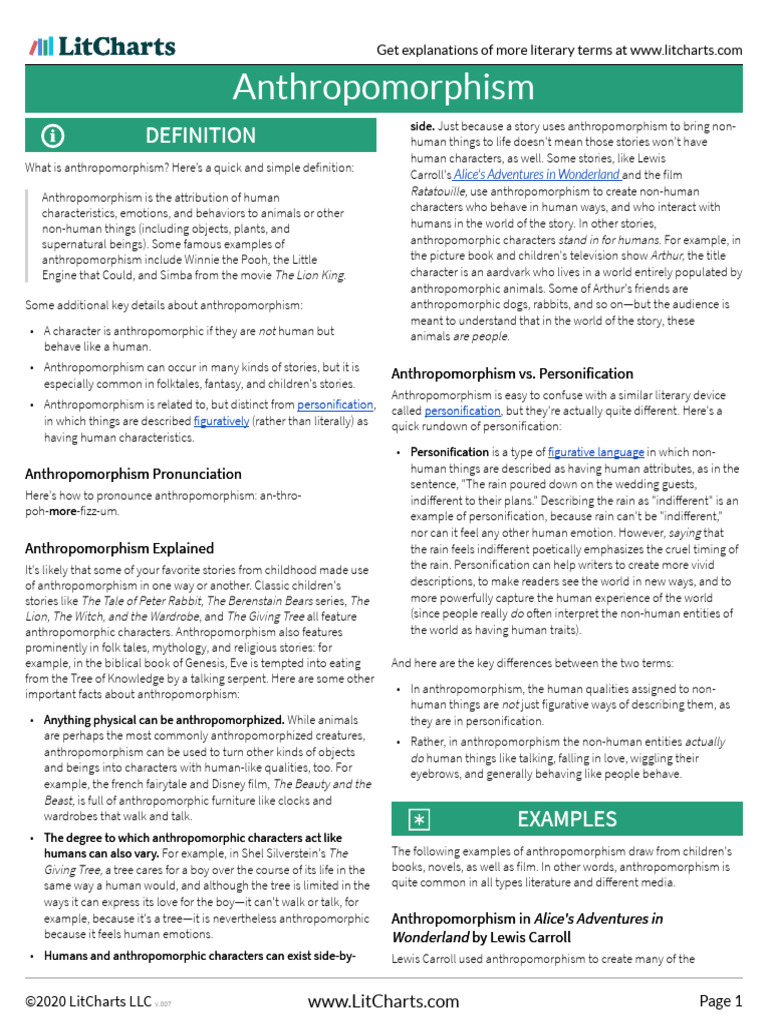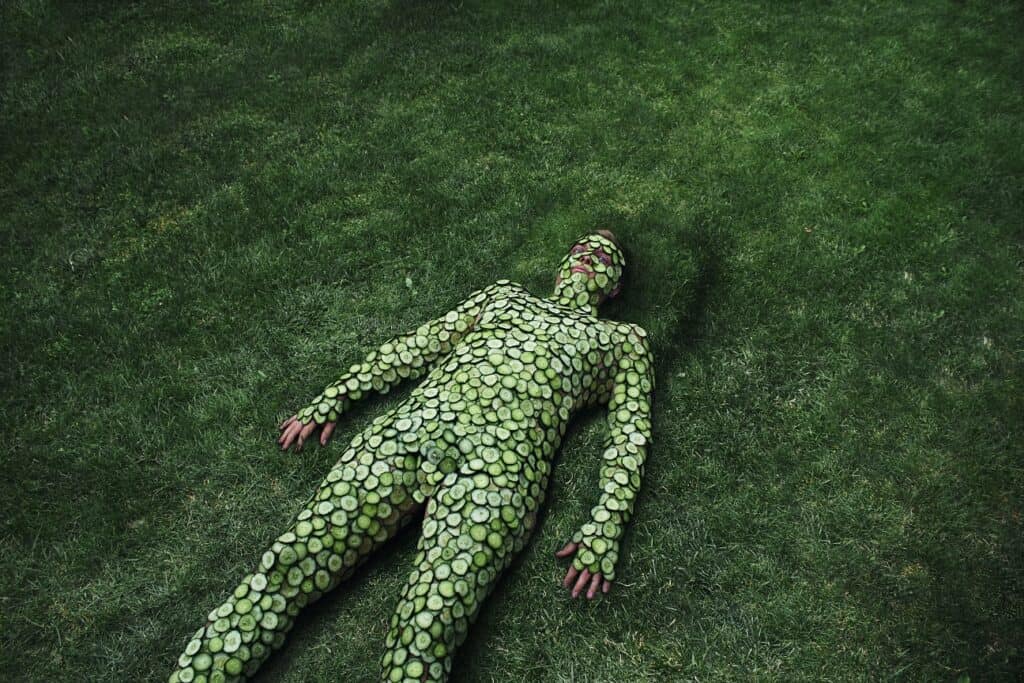
Imagine the earth whispering stories through the rustling leaves, rivers humming ancient lullabies, and mountains wearing the wisdom of millennia like a crown. This enchanted vision is not mere fantasy but a manifestation of anthropomorphism’s subtle yet profound impact—casting human traits onto nature in ways that stir deep emotional currents. Anthropomorphism, the art of imbuing non-human entities with human characteristics, acts as a kaleidoscope through which the environment transforms from a distant backdrop into a sympathetic, relatable presence. Its influence on environmental awareness is both intricate and powerful, prompting a reimagining of humanity’s bond with the natural world.
The Enchantment of Empathy: Anthropomorphism as an Emotional Bridge
At its core, anthropomorphism serves as an emotional bridge, connecting human hearts to the silent majesty of nature. When a tree is described as “whispering secrets” or a river “weeping,” these poetic attributions invite an empathetic response rather than mere observation. This emotional engagement is not trivial; it lays the foundation for genuine care and respect. Scientific studies have shown people are more prone to environmental stewardship if they perceive nature as imbued with familiar human qualities. Faces in the bark of trees or expressions in the dance of flames create a subconscious kinship, compelling individuals to protect what feels alive and conscious. Thus, anthropomorphism transforms sterile environmental data into a living narrative ripe with urgency and meaning.
The Unique Appeal of Narrative Personification in Environmental Education
Narratives serve as the vessel carrying anthropomorphic imagery deep into the psyche. Storytelling that endows animals, plants, or entire ecosystems with emotions and intentions renders complex ecological processes accessible and memorable. Children’s books and environmental campaigns frequently utilize this tactic, portraying forests as venerable elders or oceans as nurturing mothers. This personification stylistically demystifies science, replacing jargon with familiar motifs. The unique appeal lies in narrative anthropology—the age-old human tradition of making sense through stories. When people envisage a forlorn polar bear or a joyful coral reef, they instinctively grasp environmental urgency not as abstract doom but as a personal crisis demanding action.
From Sentiment to Stewardship: Behavioral Implications of Anthropomorphizing Nature
Anthropomorphism is not merely a poetic device but an active catalyst for behavioral change. When natural entities assume human-like qualities, the motivation to intervene shifts dramatically. It is easier to feel culpable for harming a river described as “suffering” than a faceless flow of water. This psychological impetus encourages conservation, restoration, and mindful consumption. However, the dynamic is nuanced; over-anthropomorphizing may lead to misconceptions about nature’s resilience or needs. Still, when balanced carefully, it ignites stewardship by reframing environmental issues as interpersonal conflicts within a shared community of life rather than distant problems of “otherness.”
Visual Anthropomorphism: The Power of Imagery in Shaping Environmental Consciousness
Visual media play a critical role in reinforcing anthropomorphic perceptions. Images that merge human features with nature — such as a woman’s face woven within green leaves or trees depicted with expressive eyes — create a compelling visual metaphor: nature as an extension of ourselves. These striking visuals transcend language barriers and deliver an immediate emotional impact. They invite viewers to redefine their identity beyond human exclusivity, fostering a sense of unity with the environment. In effect, visual anthropomorphism acts as a mirror reflecting our integral place within the web of life, calling for humility and responsibility.
The Ethical Dimensions: Anthropomorphism and the Moral Consideration of Nature
At a philosophical level, anthropomorphism challenges entrenched hierarchies that place humanity above nature. Assigning human traits to animals, plants, or ecosystems complicates ethical frameworks, demanding that we reconsider moral obligations beyond our species. Does the “sorrow” of a wilting flower compel us to act? When an ancient forest is seen as a wise elder rather than mere timber, notions of ownership and exploitation become ethically fraught. Anthropomorphism thus expands the moral imagination, prompting environmental ethics that encompass respect, empathy, and justice for non-human entities. This widening moral circle is pivotal in nurturing sustainable coexistence.
Bridging Technology and Nature: Anthropomorphism in Environmental Innovation
Interestingly, the principle of anthropomorphism also permeates the domain of environmental technology and robotics. By endowing eco-robots or AI agents with human-like traits—be it a friendly demeanor or expressive behavior—these tools can foster greater public engagement with environmental monitoring and protection efforts. The anthropomorphic design encourages trust and rapport, breaking the alienation often felt toward machines. When technology reflects human empathy towards the environment, a profound synergy emerges: the mechanistic and organic realms unite in purpose, amplifying environmental awareness through innovative participation.
Limitations and Cautions: The Double-edged Sword of Anthropomorphism
While anthropomorphism offers immense benefits, it carries inherent pitfalls. There is a risk of oversimplification—attributing human motivations to nature might obscure the complexity of ecological systems. Such projection can lead to sentimentalism that neglects scientific facts or rational decision-making. Additionally, cultural differences affect anthropomorphic perceptions; what resonates in one society may seem alien in another. Ethical dilemmas also arise when assigning human rights implicitly to non-human entities, prompting debates on agency and consent. Navigating these challenges requires a thoughtful application of anthropomorphism that respects both emotional engagement and ecological realities.
Future Horizons: Transforming Environmental Awareness through Anthropomorphic Imagination
Looking forward, the marriage of anthropomorphism and environmental awareness promises to deepen connection and galvanize global action. As artists, educators, scientists, and technologists increasingly harness this narrative technique, new paradigms of ecological identity emerge. Climate change, biodiversity loss, and pollution become not faceless crises but personal stories of suffering, resilience, and hope. Anthropomorphic imagination moves beyond metaphor to become a conduit for transformative empathy, inspiring societies to envision a world where humanity thrives in harmonious dialogue with nature’s voice. It is within this vivid tapestry of shared existence that the seeds of profound environmental stewardship are sown.