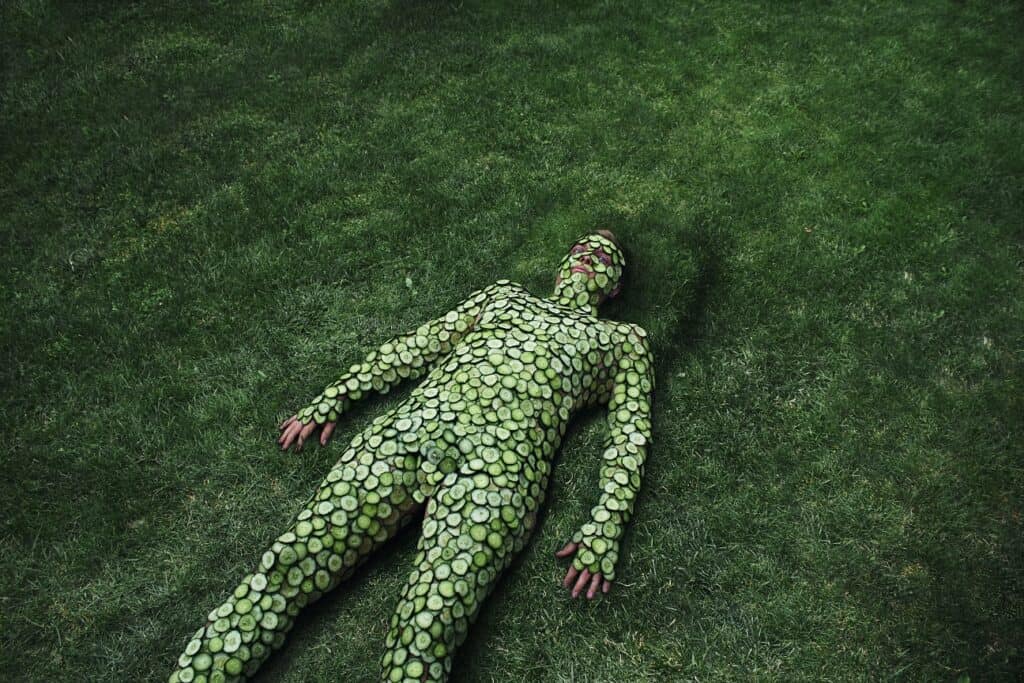
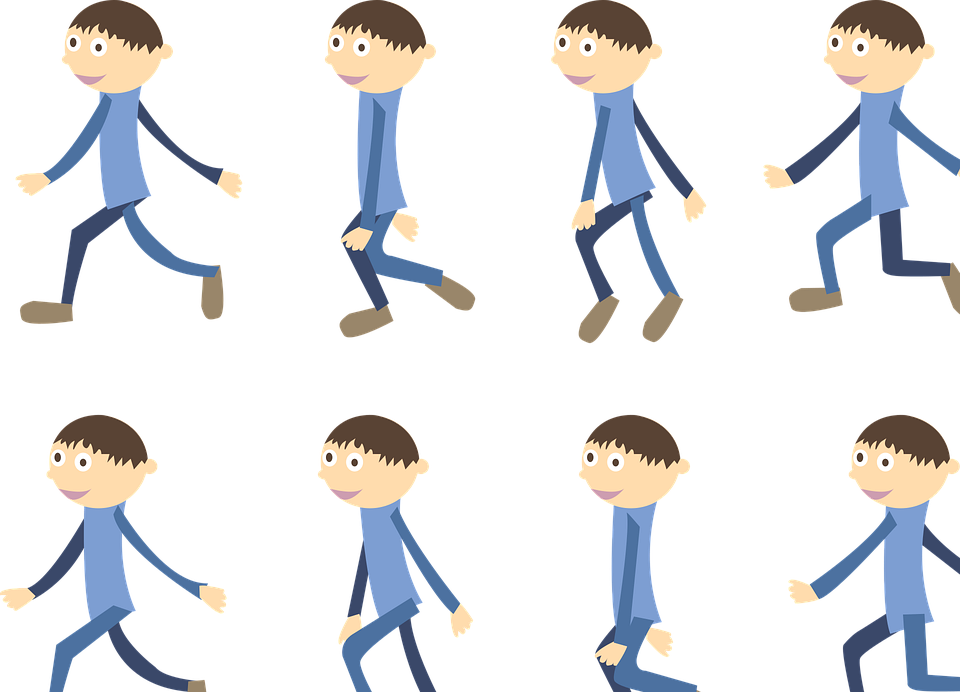
The evolving intersection of anthropomorphism and sustainable design marks a transformative trajectory in how humanity conceptualizes and interacts with the built environment. By imbuing architectural forms, products, and systems with human-like qualities, designers foster deeper emotional connections between people and their surroundings. This paradigm shift not only facilitates ecological consciousness but also enhances the efficacy of sustainable solutions by rendering them intuitively engaging and responsively adaptive. Exploring the future of anthropomorphism in sustainable design reveals multiple dimensions of innovation, from biomimicry-inspired aesthetics to interactive eco-technology, all converging in a holistic vision where empathy and ecology coalesce.
Anthropomorphism as a Catalyst for Emotional Engagement in Eco-Friendly Architecture
At the heart of sustainable design lies the challenge of fostering meaningful relationships between users and their environmental context. Anthropomorphic elements in architecture—whether through facades that resemble human expressions or structural components that mimic human gestures—create a narrative that resonates on a visceral level. This technique elevates buildings from mere functional entities to empathetic companions in daily life. As a result, inhabitants develop an intrinsic motivation to preserve and maintain their habitats, reinforcing sustainable behaviors. Future trends suggest the proliferation of buildings that subtlety “communicate” their energy efficiency or ecological status through changes in form or texture, effectively personifying their environmental performance.
Biomimicry and Anthropomorphic Design: Natural Inspirations for Sustainable Innovation
Anthropomorphism in sustainable design draws heavily from biomimicry, a discipline that seeks inspiration from nature’s time-tested patterns. Beyond superficial resemblance, this approach interprets natural systems as dynamic entities with intrinsic agency. The future of sustainable architecture is poised to integrate human-centric interpretations of biological processes, creating built environments that behave as adaptive, sentient systems. Imagine buildings that “breathe” like living organisms or urban furniture that “gestures” invitingly to encourage social interaction. These manifestations not only enhance functional sustainability but also cultivate a profound symbiosis between humans and the biosphere.
Interactive Eco-Technology: Enhancing Sustainability through Anthropomorphic Interfaces
Sustainable design increasingly incorporates digital and mechanical technologies that respond to environmental stimuli and human presence. Anthropomorphic interfaces—ranging from softly contoured solar panels resembling limbs to robotic systems with human-like dexterity—augment usability and foster empathy towards technological infrastructure. Future developments anticipate augmented reality integrations and AI-driven environmental agents designed with human attributes, enabling intuitive interactions that promote energy conservation and waste reduction. This evolution empowers occupants to engage actively with sustainability goals, transforming passive consumption systems into collaborative eco-participatory frameworks.
Materiality and Sensory Experience: Humanizing Sustainable Materials
The tactile and sensorial qualities of sustainable materials play a crucial role in anthropomorphic design by translating human warmth and imperfection into physical textures. Future sustainable design will increasingly explore materials that age gracefully, exhibiting characteristics akin to human skin or muscle, thereby narrating the passage of time and environmental interaction. These materials foster an empathetic response, encouraging stewardship and appreciation. Moreover, smart materials that change color or shape in response to environmental variables mimic human adaptability, reinforcing a reciprocal relationship between humans and their surroundings.
Cultural Narratives and Anthropomorphism: Embedding Identity in Sustainable Spaces
Anthropomorphic design in sustainability transcends aesthetics and functionality by embedding cultural narratives and collective memory within eco-conscious spaces. Future designs integrate storytelling elements where architectural features personify local myths, historical figures, or communal values, rendering sustainability a culturally immersive experience. This fusion of identity and environmental responsibility galvanizes communities to embrace sustainable practices more holistically. It redefines sustainability not only as a technical aspiration but also as a deeply poetic and socially resonant endeavor.
Challenges and Ethical Considerations in Anthropomorphic Sustainable Design
Despite its potential, anthropomorphism in sustainable design raises multifaceted challenges and ethical questions. Over-anthropomorphizing can obscure technical transparency or foster unrealistic expectations of technological agency. There is also the risk of anthropocentrism overshadowing broader ecological perspectives, potentially limiting inclusivity in sustainability narratives. Future practitioners must negotiate these complexities by delineating clear boundaries between human analogy and ecological authenticity. Ensuring that anthropomorphic designs serve to amplify environmental awareness rather than anthropocentric dominance will be paramount in advancing an ethically grounded sustainable future.
Future Directions: Hybridizing Human Traits with Environmental Intelligence
The advent of advanced computational design and generative AI heralds a new epoch where anthropomorphism in sustainable design morphs into hybridized entities—architectural systems that embody human sensibilities fused with environmental intelligence. These digitally crafted forms can anticipate occupant needs while dynamically optimizing resource use and minimizing ecological footprints. Envision ecosystems where buildings “learn” from human behavior, adapting autonomously to reduce waste and enhance comfort. This convergence establishes a new ontology of living architecture, where the delineation between human and environment dissolves in service of planetary stewardship.
Educational Potential: Cultivating Sustainability Awareness through Anthropomorphic Design
By incorporating anthropomorphic features in educational environments and public installations, sustainable design can serve as a powerful pedagogical tool. Future efforts will likely emphasize interactive spaces that personify ecological concepts, making abstract ideas tangible and relatable for diverse audiences. Schools, museums, and urban green spaces utilizing humanized design elements can engage communities emotionally and cognitively, fostering long-term commitment to sustainability principles. This embedded learning transforms spaces into living classrooms where empathy for the environment is nurtured naturally through design.