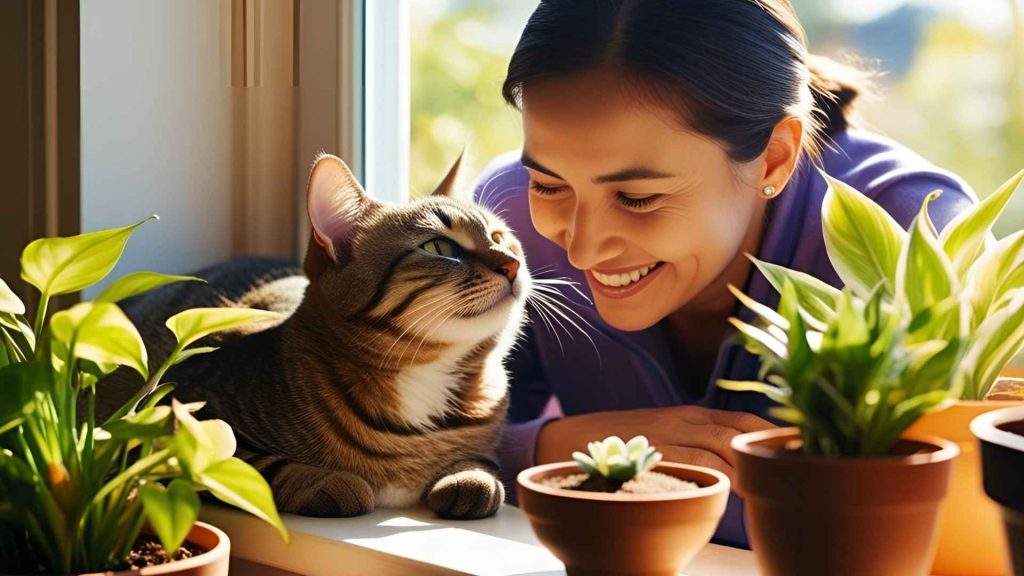
Have you ever caught yourself speaking to your dog or cat in an unusually tender tone, as if they understood the intricacies of human speech? This peculiar yet widespread behavior taps into something far deeper than mere affection. It reveals an enigmatic dynamic between humans and their animal companions that transcends typical communication. Why do so many of us instinctively adopt a kind of human-like conversational style when addressing our pets? The answer unravels with illuminating insights into psychology, evolution, and the profound social roles that pets inhabit in our lives.
The Anthropomorphic Impulse: Bridging the Communication Divide
At the heart of talking to pets like they’re human lies the powerful anthropomorphic impulse—the natural tendency to attribute human characteristics, emotions, and intentions to non-human entities. This impulse acts as a cognitive bridge, allowing humans to interpret animal behavior through familiar, relatable lenses. By endowing pets with human-like qualities, we create a mental framework that helps decode their needs and moods despite the inherent barriers of species-specific communication.
This phenomenon is not merely a whimsical habit but a functional cognitive strategy. When we speak in soothing tones or simplified phrases, it becomes easier to gauge reactions and reinforce bonds. For example, the gentle modulation of voice often calms anxious animals, illustrating how anthropomorphic speech patterns serve tangible social purposes. It’s a primitive yet sophisticated mode of connection, one that aligns with the human predilection for social interaction and emotional reciprocity.

Evolutionary Roots: The Co-Domestication of Communication
The evolutionary backdrop provides compelling context for why humans talk to pets like humans. Over thousands of years, dogs and other domesticated animals evolved alongside humanity, creating a unique symbiosis. This co-domestication altered not just the animals’ behavior but also influenced how humans perceive and interact with them.
Dogs, for instance, developed remarkable sensitivity to human gestures, facial expressions, and vocal inflections. This attentiveness encouraged humans to modify their speech, often subconsciously, into a more melodic and exaggerated form—similar to how adults naturally engage with infants. Such adaptations fostered mutual understanding and reinforced social bonds, embedding this mode of communication deep into the fabric of human-animal relationships.
The Psychological Comfort: Pets as Emotional Confidants
In contemporary society, pets have transcended their traditional roles as mere companions or helpers; they have become emotional anchors and confidants. In times of stress, loneliness, or uncertainty, speaking to a pet offers a unique form of solace. When we address pets as if they comprehend complex feelings and thoughts, it reassures us that our emotions are being ‘heard,’ even if indirectly.
This dynamic also mirrors therapeutic communication practices where active listening and empathetic dialogue provide comfort. Pets respond with intuitive body language and unconditional presence, which nourishes human emotional needs. Thus, speaking to pets like humans is not trivial chatter; it’s a profound psychological mechanism that facilitates emotional regulation and mental well-being.
Social Surrogacy: Filling the Interpersonal Void
For many individuals, pets serve as surrogates for social connection, especially amidst isolation or social anxiety. Engaging with a pet through human-like conversation fills the interpersonal void, creating a simulacrum of dialogue that fosters a sense of belonging and purpose. The pet becomes an interlocutor in a private, judgment-free space where one can express thoughts and feelings without inhibition.
This phenomenon challenges common assumptions about loneliness and companionship, illustrating how non-human partners can satisfy complex social needs. The conversational interplay—even if one-sided—situates the pet as a valued participant in the household social ecosystem. The act of talking, after all, is deeply rooted in the human desire to be understood and to understand others.
Language and Tonal Modulation: The Science of ‘Pet Talk’
Scientific research underscores fascinating nuances in the way humans modify language when addressing their pets. The so-called ‘pet-directed speech’ mimics many properties of infant-directed speech, characterized by higher pitch, exaggerated intonation, and slower tempo. This modulation captures the pet’s attention and enhances learning, particularly for animals trained to respond to verbal cues.
Conversely, the content often includes simplified vocabulary or emotionally charged words, reflecting an intuitive attempt to compensate for the pet’s limited linguistic comprehension. This interplay between tone and lexicon demonstrates the malleability of human communication, adapting dynamically to include species beyond our own in the social sphere. It embodies the human capacity for linguistic empathy, a hallmark of our social evolution.
Cultural Variations: How Societies Talk to Their Animals
Not all cultures approach the act of talking to pets in the same manner. Variations exist depending on societal norms, beliefs about animals, and the nature of human-animal relationships. In some cultures, animals hold spiritual significance and are spoken to with reverence and ritualized language. Elsewhere, casual, conversational tones emphasize companionship and mutual enjoyment.
Such differences illuminate the contextual fluidity of pet-directed speech, shaped by historical and cultural factors. Yet, the universal thread remains—the intrinsic human inclination to communicate with animals as sentient beings capable of emotional exchange. These cultural lenses enrich our understanding of how language functions as a bridge between species, reshaping the way we perceive and relate to the creatures sharing our world.
Rethinking Communication: Beyond Words and Gestures
Ultimately, the practice of talking to pets like they’re human invites a profound reevaluation of what communication truly entails. It extends beyond spoken words to include tone, intention, and affect—an immersive blend that transcends species-specific barriers. Pets, attuned to subtle human signals, respond in ways that reveal mutual recognition and emotional resonance, even without shared language.
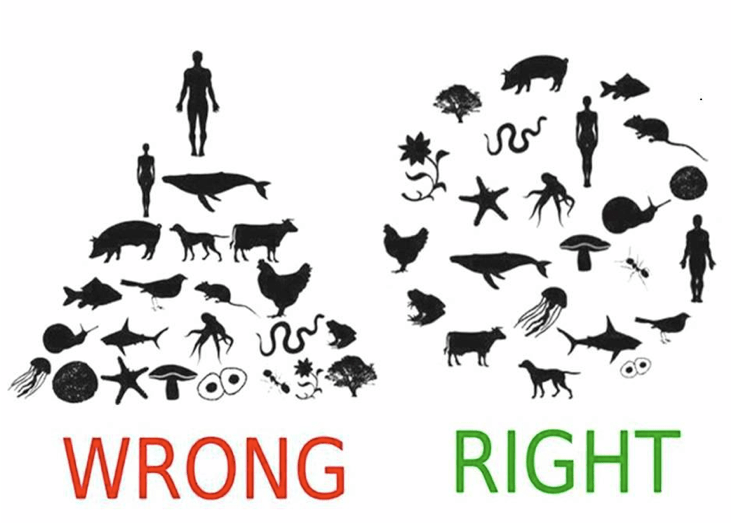
This paradigm challenges anthropocentric views that limit meaningful communication to human language alone. By embracing more holistic forms of interaction, we uncover a continuum of relational possibilities that redefine the boundaries of empathy and understanding. To speak to our pets like they’re human is less about illusion and more an acknowledgement of a shared sentience that enriches life itself.
In essence, the dialogue between humans and animals is a testament to our enduring quest for connection—one that defies words alone. It is a reminder that communication is as much about heart as it is about speech, inviting us all to listen more closely to the voices that transcend spoken language.