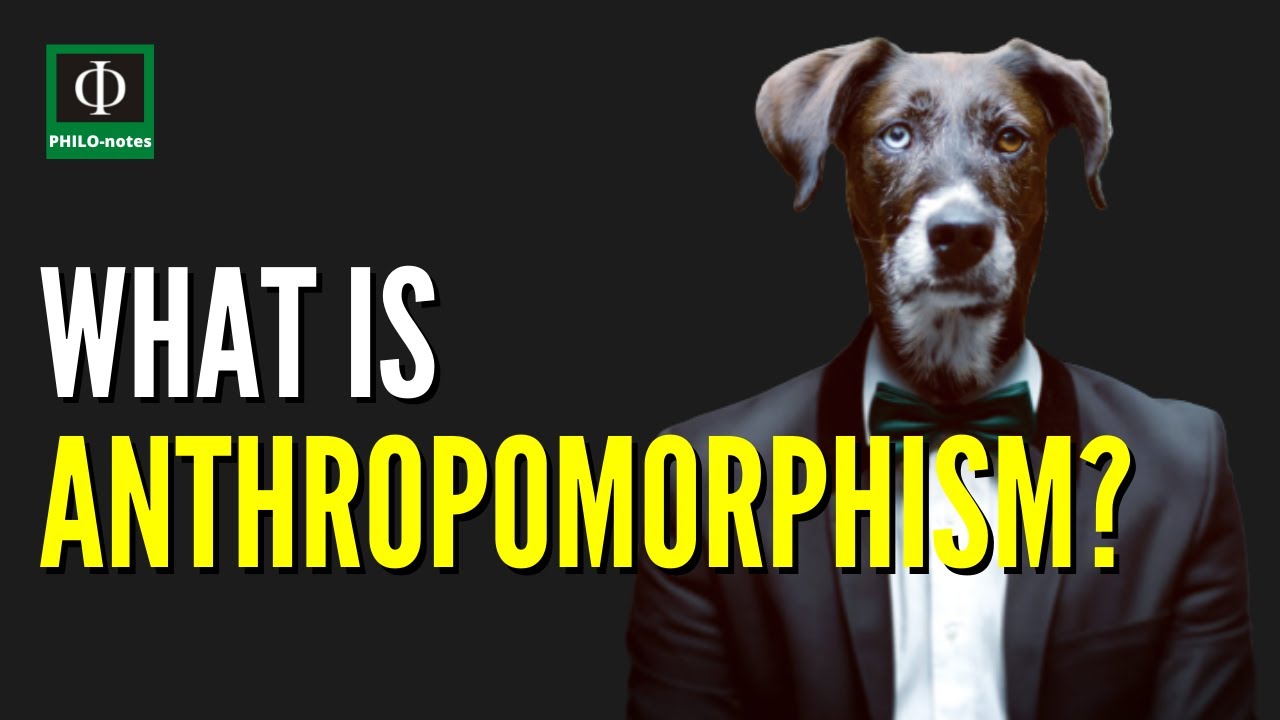
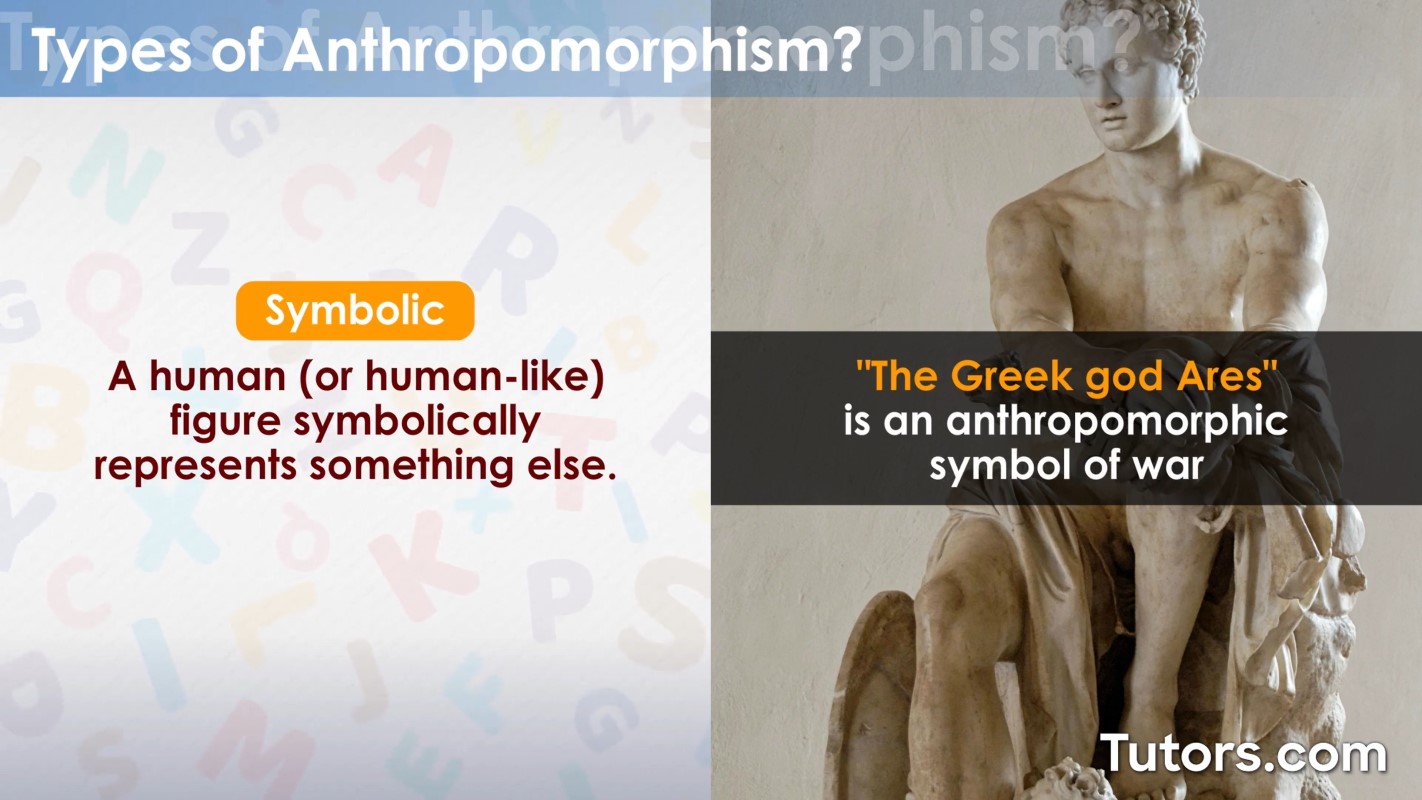
In the intricate labyrinth of human cognition, certain phenomena challenge our understanding of self and other, blurring the boundaries between species, objects, and sentient beings. One such enigma lies in the interplay between anthropomorphism—the attribution of human traits to non-human entities—and the neurobiological framework that underpins empathy and imitation: mirror neurons. This dynamic relationship not only promises a paradigmatic shift in how we perceive and relate to the world but also beckons us to explore the neural substrates that fuel our propensity to humanize the non-human. Unraveling this connection invites a deeper inquiry into the mechanisms of social cognition and unveils the profound implications of our innate tendency to empathize through neural resonance.
The Phenomenon of Anthropomorphism: Beyond Simple Projection
Anthropomorphism transcends mere whimsy or fanciful imagination. It represents a fundamental psychological strategy through which humans seek to comprehend and navigate the unfamiliar or the enigmatic. By ascribing human emotions, intentions, and characteristics to animals, machines, or even natural forces, individuals bridge the experiential chasm between self and other. This heuristic mechanism simplifies complexity, rendering alien entities accessible and relatable. Yet, this cognitive shortcut prompts critical questions: what primal neural mechanisms compel humans to anthropomorphize? Is this tendency a byproduct of social cognition or something intrinsic to the architecture of our nervous system?
Mirror Neurons: The Neural Symphony of Empathy and Imitation
At the heart of social understanding lies a remarkable class of brain cells known as mirror neurons. These specialized neurons fire not only when an individual executes an action but also when witnessing another perform the same gesture, creating a neural echo that fosters experiential sharing. Discovered in primates and subsequently identified in humans, mirror neurons constitute the neurophysiological substrate for empathy, imitation, and social learning. They provide the somatic framework through which we vicariously experience others’ intentions and emotions, effectively dissolving the subjective barrier between self and other. This neural mirroring is more than mere observation; it is participation at a covert biological level.
Intersecting Pathways: How Mirror Neurons Fuel Anthropomorphic Inclinations
The connection between anthropomorphism and mirror neurons emerges from their shared foundation in social cognition and empathy. Mirror neurons enable the internal simulation of others’ behavior and emotional states. When confronted with a non-human agent—be it a companion animal, a lifelike robot, or an animated character—the mirror neuron system may be co-opted to simulate perceived actions and emotional cues, even when these cues are artificially constructed or only tangentially human-like. This neural mimicry engenders an implicit sense of understanding and relatability, fostering anthropomorphic interpretations.
Notably, the mirror neuron system does not operate in isolation. Its activity interacts with higher-order cognitive processes, including theory of mind and mentalizing networks. Together, these systems extrapolate intentions and emotions, often filling in gaps with human-like constructs. In this way, the neural resonance initiated by mirror neurons acts as a catalyst for the imaginative leap that characterizes anthropomorphism, generating rich, often vivid projections of human-like qualities onto otherwise inanimate or non-human subjects.
The Evolutionary Advantages of Anthropomorphism Mediated by Neural Mirroring
From an evolutionary vantage, the proclivity to anthropomorphize offers adaptive benefits. Early humans who intuitively attributed agency and intention to ambiguous stimuli—such as rustling bushes or distant animal calls—might better anticipate potential threats or social opportunities. Mirror neurons, by enabling rapid internal simulation of observed behaviors, could have expedited these hazard assessments and decision-making processes.
Moreover, anthropomorphism plays a pivotal role in social bonding and cooperation. Applying human traits to pets or social robots fosters emotional attachment, enhancing well-being and social connection. Neural mirroring likely undergirds these attachments, reinforcing pro-social behaviors and affiliative bonds even across species boundaries. This extension of social cognition to non-human entities exemplifies the flexibility and plasticity of the mirror neuron system within the broader framework of social species survival strategies.
The Implications for Artificial Intelligence and Human-Computer Interaction
Understanding the link between anthropomorphism and mirror neurons holds profound implications for the design and integration of artificial agents and technologies. Contemporary advances in robotics and AI increasingly endow machines with human-like attributes such as expressive faces, gestures, and voice intonations. These manifestations trigger mirror neuron activity and the associated empathetic responses, effectively bridging the emotional gap between human users and artificial interlocutors.
This neural and psychological interplay suggests that the success of human-computer interaction hinges not solely on technical prowess but on the system’s capacity to engage users’ mirror neuron networks. When machines evoke neural mirroring, they engender trust, empathy, and cooperation, enhancing usability and acceptance. Consequently, the nexus between mirror neurons and anthropomorphism informs strategies to cultivate meaningful, intuitive engagements between humans and their technological counterparts.
Challenges and Nuances: Navigating the Limits of Neural Mirroring
While the mirror neuron system facilitates profound connections, it is not infallible nor universally engaged by all stimuli. The degree to which anthropomorphism arises is modulated by contextual, cultural, and individual differences. Neurological variability can influence how strongly mirror neurons respond to non-human agents, while cognitive schemas and prior experiences shape the interpretation of these neural signals.
Moreover, excessive anthropomorphism, powered by overactive neural mirroring, may lead to distorted perceptions, such as anthropocentric biases that obscure objective understanding or foster unrealistic expectations of non-human entities. Recognizing these pitfalls highlights the necessity of a calibrated perspective—one that embraces the cognitive and emotional utility of anthropomorphism but remains vigilant to its limitations.
A Paradigm Shift: Reimagining Human Experience Through Neural and Cognitive Symbiosis
The entwined dynamics of anthropomorphism and mirror neurons invite a transformative reappraisal of human experience. Far from being mere curiosities, these processes reveal the porous boundaries of selfhood and otherness, the fluid interplay of biology and imagination. By exploring how mirror neurons facilitate the projection of human attributes onto the external world, one gains insight into the foundational mechanisms that shape empathy, sociality, and meaning-making.
This paradigm shift encourages a more nuanced appreciation of our interactions with the environment, technology, and non-human life. It underscores the profound neurocognitive roots of our tendencies to connect, understand, and sometimes project. Ultimately, the link between anthropomorphism and mirror neurons opens a captivating vista onto the depths of human nature and its relentless quest to find kinship beyond the anthropic horizon.