From the earliest dawn of human consciousness, there has been a compelling tendency to attribute human characteristics to animals, objects, and even abstract forces. This practice, known as anthropomorphism, resonates deeply within the human psyche and has often been dismissed as mere superstition or quaint whimsy. Yet, beneath this surface lies a profound cognitive and cultural mechanism that has played a crucial role in human survival. The persistent fascination with anthropomorphism is not just a quirky aspect of storytelling or art; it is a fundamental narrative tool forged by evolutionary pressures, social cohesion, and the quest for understanding an often enigmatic world.
The Evolutionary Roots of Anthropomorphism
Humans have an extraordinary capacity for pattern recognition and empathy—a trait that underpins the impulse to ascribe emotions, intentions, and consciousness to non-human entities. This predisposition is not accidental but rather a byproduct of evolutionary survival strategies. Early humans navigating perilous environments faced myriad threats and opportunities; correctly interpreting the intentions behind animal behaviors or environmental phenomena could mean the difference between life and death. When a rustle in the bushes was observed, inferring agency—imagining a lurking predator with intentional movement—prevented fatal misjudgments.
Anthropomorphism, in this context, served as an adaptive heuristic. By projecting human traits onto the unknown, our ancestors reduced ambiguity in their surroundings. This cognitive shortcut, while sometimes leading to false positives, generally favored caution and heightened vigilance. It was safer to assume agency where none might exist than to overlook a genuine threat. Thus, the attribution of human motives and emotions to animals or natural forces was an early form of risk assessment, favoring survival in an unpredictable world.
Anthropomorphism as a Social and Communicative Tool
Beyond individual survival, anthropomorphism played an influential role in the development of complex social systems. Humans are innately social beings who require sophisticated mechanisms to communicate, bond, and pass knowledge across generations. Imbuing the natural world with human-like qualities transformed it into a familiar interlocutor, facilitating storytelling and moral instruction.
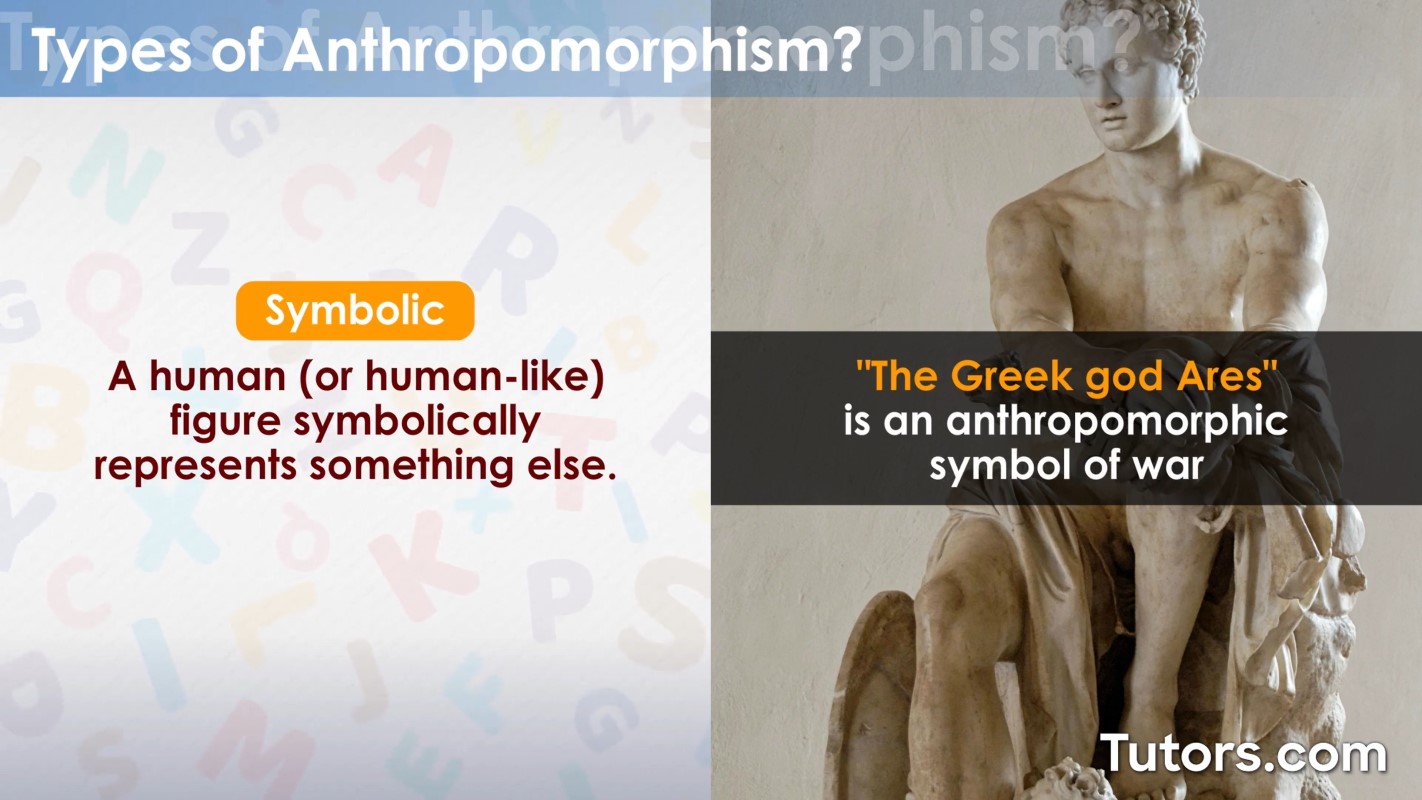
Mythologies and folklore across cultures abound with anthropomorphic deities and animals, serving as vessels for communal values, ethical codes, and collective memory. Such narratives personify abstract concepts—justice, fate, love—making them accessible and relatable. This narrative anthropomorphism fosters empathy not only for other humans but also for the environment and animals, promoting cooperation and coexistence essential for group survival.
The Cognitive Architecture Favoring Anthropomorphic Interpretations
At the neurocognitive level, the human brain predisposes individuals to anthropomorphic interpretations through mechanisms like the theory of mind—the ability to attribute mental states to oneself and others. This faculty, vital for social interaction, extends naturally to non-human agents, giving rise to animistic thinking.
Studies in cognitive psychology demonstrate that children, in their developmental stages, instinctively anthropomorphize objects and animals, a tendency that frequently persists into adulthood. This cognitive architecture facilitates learning and interaction with the environment by simplifying complex phenomena into relatable frameworks. It also helps in predicting behaviors and outcomes by assuming that other agents operate with intentions and desires similar to one’s own.
Anthropomorphism and Environmental Adaptation
Human survival has always been intricately linked to the natural world. The tendency to anthropomorphize natural phenomena—rivers, winds, celestial bodies—arguably attunes humans emotionally and cognitively to their surroundings. This process aids in the development of respect, caution, and sustainable interaction with the ecosystem.
By perceiving nature as imbued with human-like qualities, early societies crafted taboos and rituals promoting environmental stewardship. Rivers were not merely water sources; they were living entities with moods and desires. Such conceptualization mitigated exploitation and encouraged harmonious coexistence—practices crucial for long-term survival in fragile environments.
The Role of Anthropomorphism in Modern Society and Survival Challenges
While the immediate survival pressures of ancient environments have shifted, anthropomorphism remains embedded in modern cognition and culture. It continues to shape human interaction with technology, artificial intelligence, and conservation efforts. Assigning human traits to robots or virtual assistants increases engagement and usability, fostering collaboration between humans and machines.
Moreover, in the face of global environmental crises, anthropomorphic perspectives can engender empathy toward endangered species and ecosystems. This emotional connection becomes a vital motivator in conservation campaigns, potentially influencing policies and behaviors that enhance collective survival prospects.
Deeper Psychological Drivers Behind Anthropomorphic Fascination
At its core, the inclination to anthropomorphize reflects an existential quest—to bridge the divide between self and other, animate and inanimate, known and unknown. It satisfies deep-seated psychological needs for connection, control, and meaning-making in a chaotic, often hostile world.
Anthropomorphism fosters a sense of agency and predictability, reducing anxiety in the face of uncertainty. By projecting familiar human patterns onto external entities, individuals cultivate a more coherent worldview, thereby enhancing emotional resilience. This intrinsic psychological utility complements its evolutionary and social functions, underscoring why anthropomorphism endures as a ubiquitous and powerful aspect of human cognition.
Conclusion: Anthropomorphism as a Multipurpose Survival Strategy
Far from being a simple cognitive quirk, anthropomorphism is a multifaceted phenomenon deeply woven into the fabric of human survival. Emerging from evolutionary imperatives, it evolved into a cultural cornerstone that facilitates communication, social cohesion, environmental adaptation, and psychological well-being. Its enduring presence testifies to the human need to find familiarity and meaning in an ever-changing world. Embracing anthropomorphism as a lens to understand human history and behavior illuminates its indispensable contribution to the story of human resilience and survival.