Anthropomorphism, the proclivity to attribute human characteristics to non-human entities, permeates our daily experiences in subtle yet profound ways. From the gentle flicker of a flame perceived as a living presence to the animated personalities we ascribe to technological devices, this intrinsic cognitive bias reflects the sophisticated workings of the human brain. Understanding how neuroscience unravels the underpinnings of anthropomorphism reveals not only the intricacies of neural processing but also the broader implications for empathy, social cognition, and human-machine interaction.
The Cognitive Foundations of Anthropomorphism
At the heart of anthropomorphism lies a fundamental cognitive mechanism: the brain’s propensity for pattern recognition and agency detection. Evolution has sculpted neural circuits that prioritize the identification of intentional agents within the environment to enhance survival. This mechanism, often linked to the hyperactive agency detection device (HADD), triggers when ambiguous stimuli are interpreted as exhibiting goal-directed behavior or emotions. The temporal-parietal junction, a region pivotal for theory of mind, facilitates this by simulating others’ mental states, enabling humans to predict intentions even in inanimate objects. This automatic mentalizing process attests to the brain’s innate drive to construct social narratives, blurring the boundaries between the animate and inanimate.
Neural Substrates Involved in Anthropomorphic Perception
Delving into neuroanatomy reveals a complex interplay among multiple brain regions orchestrating anthropomorphic perception. Functional neuroimaging studies highlight the involvement of the medial prefrontal cortex (mPFC), a hub for self-referential thought and social cognition. This area becomes particularly active when individuals ascribe emotions or intentions to non-human agents, suggesting a neural overlap between understanding oneself and perceiving ‘others.’ Additionally, the fusiform face area (FFA), specialized for facial recognition, may activate when people discern semblances of eyes or faces in objects, triggering a sense of familiarity or empathy. The supplementary motor area and mirror neuron systems also participate, fostering embodied simulation that underlies empathetic resonance with perceived entities, be they biological or mechanical.

Emotional Resonance and Anthropomorphic Engagement
Anthropomorphism is more than a cognitive shortcut; it engenders emotional engagement. The limbic system, particularly the amygdala, modulates emotional responses elicited by anthropomorphized entities. When a person attributes feelings or desires to a robot or pet, the brain’s affective circuits resonate as if interacting with a conspecific. This emotional mirroring can enhance social bonding or attachment, which explains why humans often develop profound relationships with artificial intelligences, virtual assistants, or even fictional characters. The interplay between affective neuroscience and anthropomorphism elucidates how emotions tether cognition to social constructs, transcending biological boundaries.
Developmental Perspectives: Anthropomorphism Across the Lifespan
From infancy to adulthood, the manifestation of anthropomorphic tendencies evolves alongside cognitive maturation. Children, with their burgeoning theory of mind capabilities, frequently imbue toys and objects with human-like qualities, a behavior reflecting both imaginative play and early social cognition rehearsal. Neurodevelopmental trajectories reveal that as prefrontal cortex networks mature, children refine their ability to discern real agents from simulated ones, reducing excessive anthropomorphizing yet maintaining adaptive social cognition. In adults, cultural and experiential factors modulate these tendencies, with variability in how strongly individuals anthropomorphize based on personality traits, empathy levels, and social needs.
Implications for Human-Robot Interaction and Artificial Intelligence
The burgeoning fields of robotics and artificial intelligence have catalyzed renewed interest in anthropomorphism, particularly its role in optimizing human-machine interfaces. Neuroscientific insights inform the design of robots with anthropomorphic features that leverage the brain’s predispositions for social cognition to foster intuitive interactions. By embedding familiar human-like gestures, speech patterns, and expressions, designers can evoke greater trust and cooperation. However, the “uncanny valley” phenomenon highlights the neurological and psychological tensions when machines approximate but imperfectly emulate human behaviors, provoking discomfort rather than empathy. Understanding the neural correlates of these reactions guides the calibration of anthropomorphic design to balance familiarity and novelty.
Anthropomorphism and Its Role in Scientific Modeling and Technology
Beyond social contexts, anthropomorphism extends to the realm of scientific inquiry, notably in neuro-inspired engineering and computational modeling. Emulating the brain’s anthropomorphic grasping mechanisms has propelled advancements in robotics, where artificial systems mimic the dexterity and adaptability of human limbs. These neuro-inspired models underscore the brain’s efficiency in integrating sensory feedback and motor outputs, providing frameworks for continual, adaptive learning. This convergence of neuroscience and technology not only demystifies the anthropomorphic faculties of the brain but also paves the way for machines capable of more nuanced, human-like interactions.
Cultural Narratives and the Neuroscientific Lens on Anthropomorphism
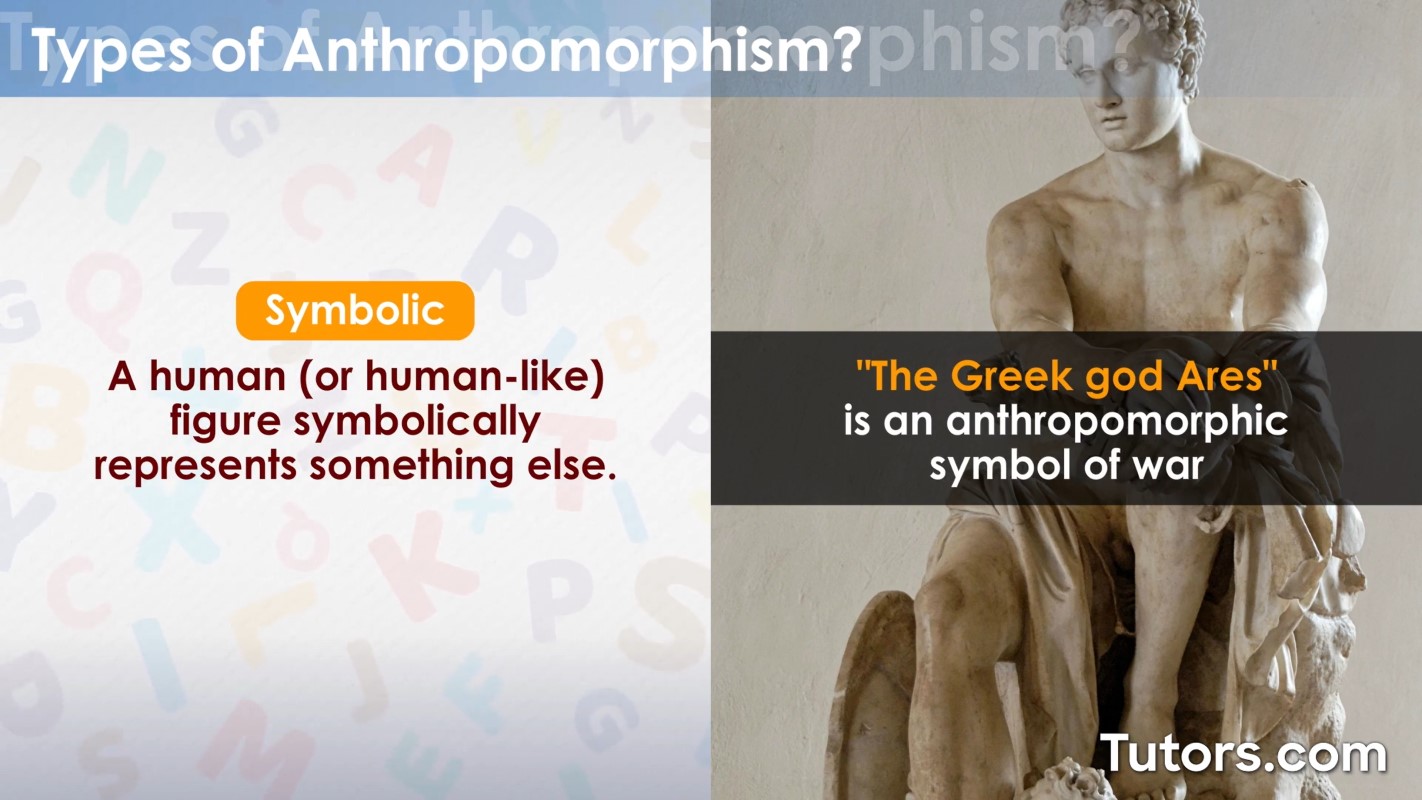
Culture shapes and amplifies anthropomorphic expression by embedding it within storytelling, religion, and art. Neuroscience reveals that storytelling activates not only linguistic centers but also social and emotional brain networks that facilitate empathy and perspective-taking. When cultural narratives anthropomorphize natural phenomena or technological entities, they augment the brain’s inherent tendencies, creating shared symbols that reinforce social cohesion. This intersection of culture and neuroscience elucidates how anthropomorphism serves as a bridge linking individual neural processes to collective human experiences.
Future Directions: Expanding the Neuroscience of Anthropomorphism
Research continues to unravel the neural dynamics underpinning anthropomorphism, with emerging methodologies such as multivariate pattern analysis and neurofeedback offering more granular insights. Investigations into individual differences, including neurodivergent profiles, may reveal alternative pathways or distinct patterns of anthropomorphic processing. Furthermore, integrating neuroscientific principles with ethical frameworks is paramount as anthropomorphism becomes increasingly codified in AI and robotic applications. Balancing the cognitive allure of anthropomorphic design with a critical understanding of its implications ensures that advances serve humanity’s nuanced social and psychological needs.