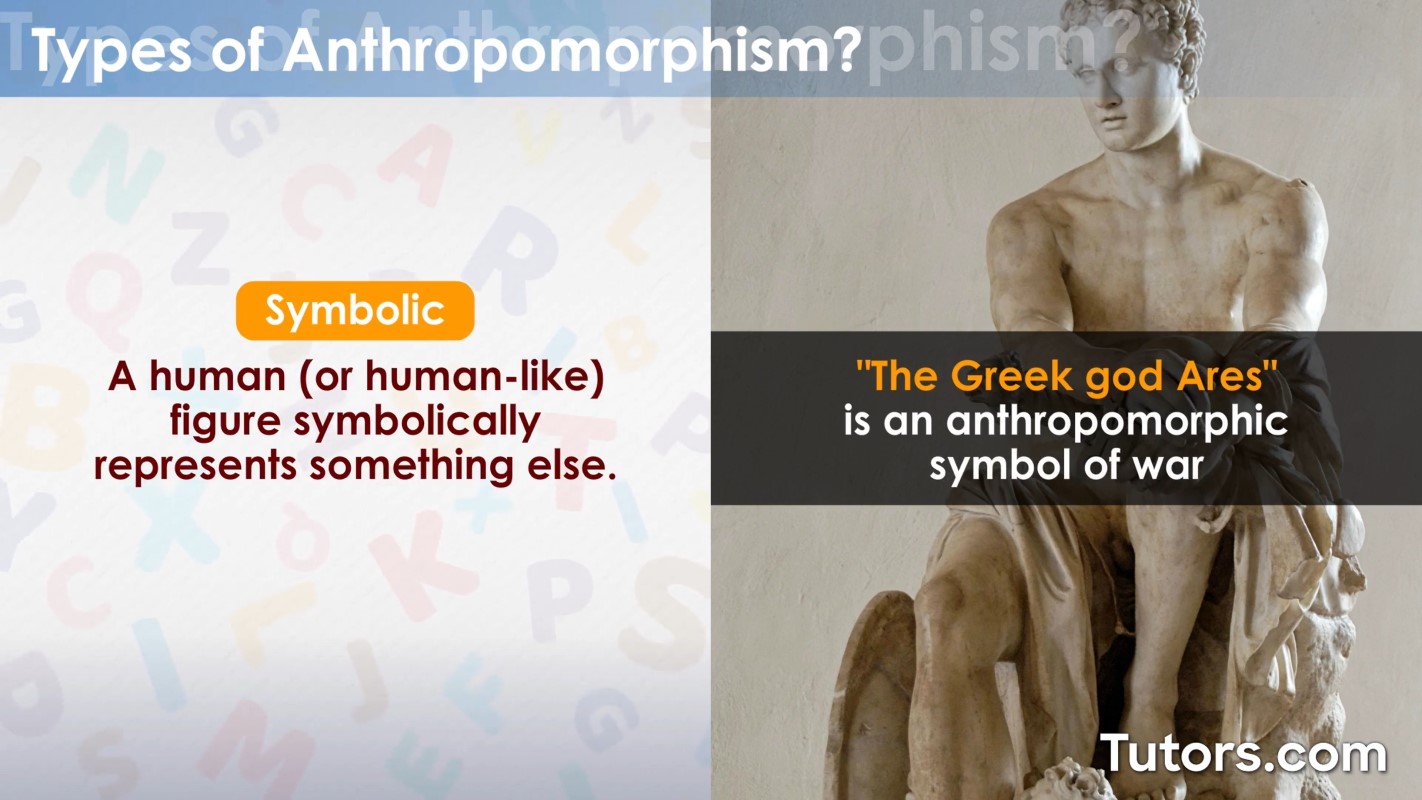
Anthropomorphism, the attribution of human traits, emotions, or intentions to non-human entities, plays a nuanced role in therapeutic contexts. This psychological phenomenon transcends mere literary device or cultural quirk; it serves as both a tool and a potential pitfall in mental health treatment. The ways in which anthropomorphism is leveraged in therapy can offer profound benefits, fostering empathy and insight, while simultaneously posing risks if misapplied or misunderstood. Understanding how anthropomorphism functions within therapy unveils a complex landscape, illuminating its capacity to heal or inadvertently hinder the therapeutic process.
The Role of Anthropomorphism in Enhancing Emotional Expression
One of the most compelling applications of anthropomorphism in therapy is its ability to facilitate emotional expression. By assigning human characteristics to animals, objects, or abstract concepts, clients often find a non-threatening conduit to articulate feelings that might otherwise remain inaccessible. This externalization technique enables a cathartic release, allowing emotions like anger, fear, or sadness to be projected and explored indirectly. For example, a child describing a “sad teddy bear” can unravel layers of personal grief or loneliness without confronting the vulnerability head-on.
Such figurative expression can be especially advantageous for clients who experience difficulty verbalizing their internal states, including those with developmental delays or trauma-related conditions. Anthropomorphic metaphors encourage a narrative-based exploration of the psyche, inviting patients to reframe their struggles through a symbolically rich lens. As a result, therapists gain valuable insights while patients develop a more nuanced vocabulary for their emotional landscapes.
Facilitating Empathy and Interpersonal Connection
Anthropomorphism facilitates the cultivation of empathy, both toward oneself and others. When clients engage with anthropomorphic images or stories, they often project their own experiences onto these figures, fostering an empathic bond. This connection can humanize abstract issues such as grief, addiction, or anxiety, making them palpable and relatable.
In group therapy, shared anthropomorphic storytelling or role-playing exercises encourage participants to perceive differing perspectives. For instance, envisioning interpersonal conflicts through the prism of characterizations like “the stubborn lion” or “the wise owl” can dismantle defensive barriers. This creative approach helps individuals transcend rigid self-identifications, promoting emotional flexibility and increased interpersonal understanding.
Anthropomorphism as a Cognitive Bridge in Therapy
The cognitive dimension of anthropomorphism is significant in shaping therapeutic insights. It acts as a conceptual bridge, linking abstract psychological constructs to tangible representations. By embodying complex internal experiences in anthropomorphic forms, clients find a scaffold to organize and make sense of their thoughts.
This process can elucidate unconscious motivations or conflicting desires. For example, a client might depict their anxiety as a persistent “shadow” following them, allowing a concrete focal point for cognitive-behavioral strategies aimed at managing symptomatology. In this manner, anthropomorphic metaphors become diagnostic tools, enhancing self-awareness and supporting the iterative process of cognitive restructuring.
Potential Risks and Limitations of Anthropomorphism in Therapy
Despite its merit, the use of anthropomorphism in therapeutic settings is not without pitfalls. One significant risk is the possibility of oversimplification. When complex human emotions and experiences are ascribed to non-human entities, there is a danger of diminishing the multifaceted nature of the client’s condition. This oversimplification can lead to misinterpretation or the avoidance of deeper psychological work.
Moreover, in some cases, clients may become overly reliant on anthropomorphic representations, treating them as replacements rather than reflections of internal struggles. This can foster a form of dissociation or denial, where the individual distances themselves from confronting real emotional challenges. Therapists must carefully monitor such tendencies to prevent stagnation or regression in treatment.
In addition, cultural variations significantly influence how anthropomorphism is perceived and interpreted. What might be a helpful metaphor in one cultural context could promote misunderstanding or discomfort in another. Sensitivity to these nuances is imperative to ensure therapeutic efficacy and respect for the client’s background.
Anthropomorphism in Animal-Assisted and Virtual Therapies
The proliferation of animal-assisted therapy introduces an expanded dimension to anthropomorphism’s therapeutic utility. Animals in therapeutic contexts often embody human-like companionship and unconditional acceptance, qualities that can be deeply healing. Clients anthropomorphize their interaction with service animals or therapy pets, which fosters trust and emotional safety. This can act as a catalyst for breakthroughs that might be unattainable through verbal dialogue alone.
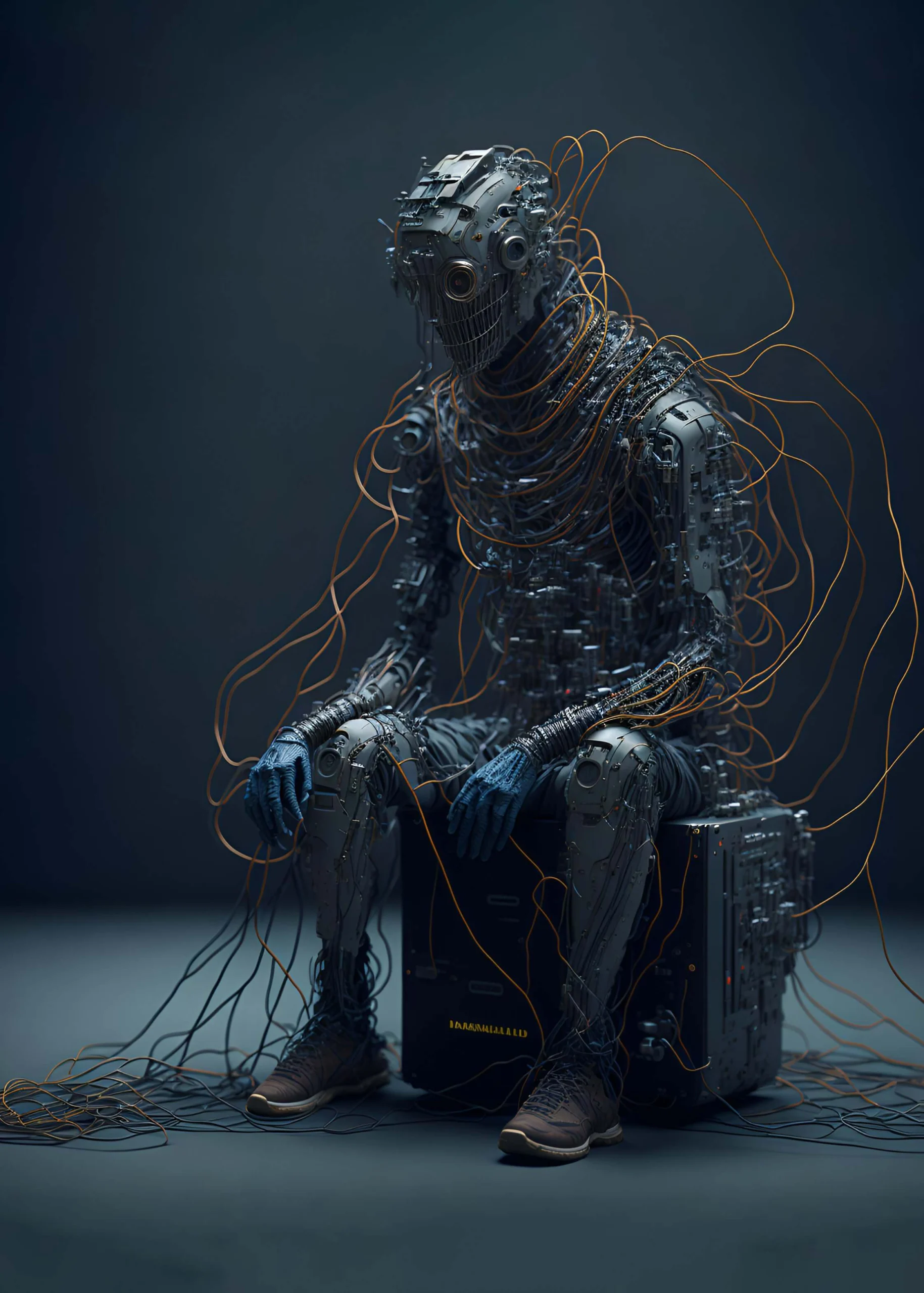
Similarly, emerging virtual therapies utilize anthropomorphic avatars or digital companions designed to simulate human interaction. These technologically mediated tools capitalize on the human tendency to personify, creating engaging platforms for self-reflection and emotional regulation. However, the virtual embodiment of anthropomorphism necessitates careful design and ethical considerations to prevent dependence or distorted perceptions of human relationships.
Balancing Anthropomorphic Techniques with Evidence-Based Therapies
Integrating anthropomorphism into therapy necessitates a delicate balance. While creative and symbolic methods can enrich the therapeutic experience, they must complement, rather than substitute, evidence-based interventions. The efficacy of anthropomorphic tools depends largely on the therapist’s skill in contextualizing metaphors within a structured treatment framework.
By harmonizing imaginative expression with empirical rigor, therapeutic processes achieve a dual benefit: imaginative engagement enlivening cognitive and emotional work, and methodological grounding ensuring measurable progress. Therapists should adopt a flexible mindset, tailoring the use of anthropomorphism to individual client needs and responsiveness.
Conclusion: Navigating the Dual Edges of Anthropomorphism in Therapy
Anthropomorphism in therapy serves as a multifaceted prism, reflecting the depths of human psyche through vivid symbolic representation. Its capacity to unlock emotional expression, build empathy, and scaffold cognitive processing marks it as a valuable therapeutic ally. Nonetheless, practitioners must vigilantly navigate its inherent limitations, safeguarding against oversimplification and dependency.
When wielded with thoughtful precision, anthropomorphism enriches the therapeutic journey, crafting pathways from abstraction into personal meaning. It invites clients to engage creatively, yet authentically, fostering growth that is both profound and sustainable. In the intricate dance between human experience and symbolic form, anthropomorphism remains a potent, albeit double-edged, instrument within the therapeutic arsenal.