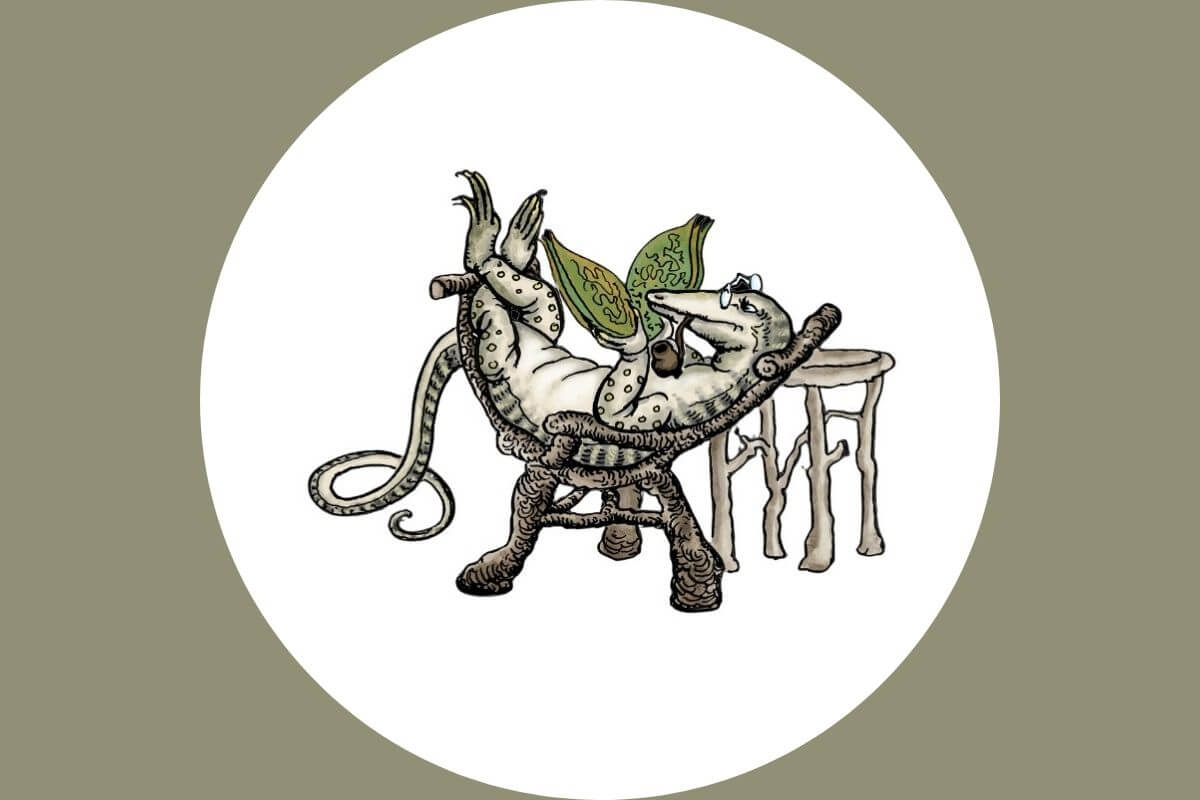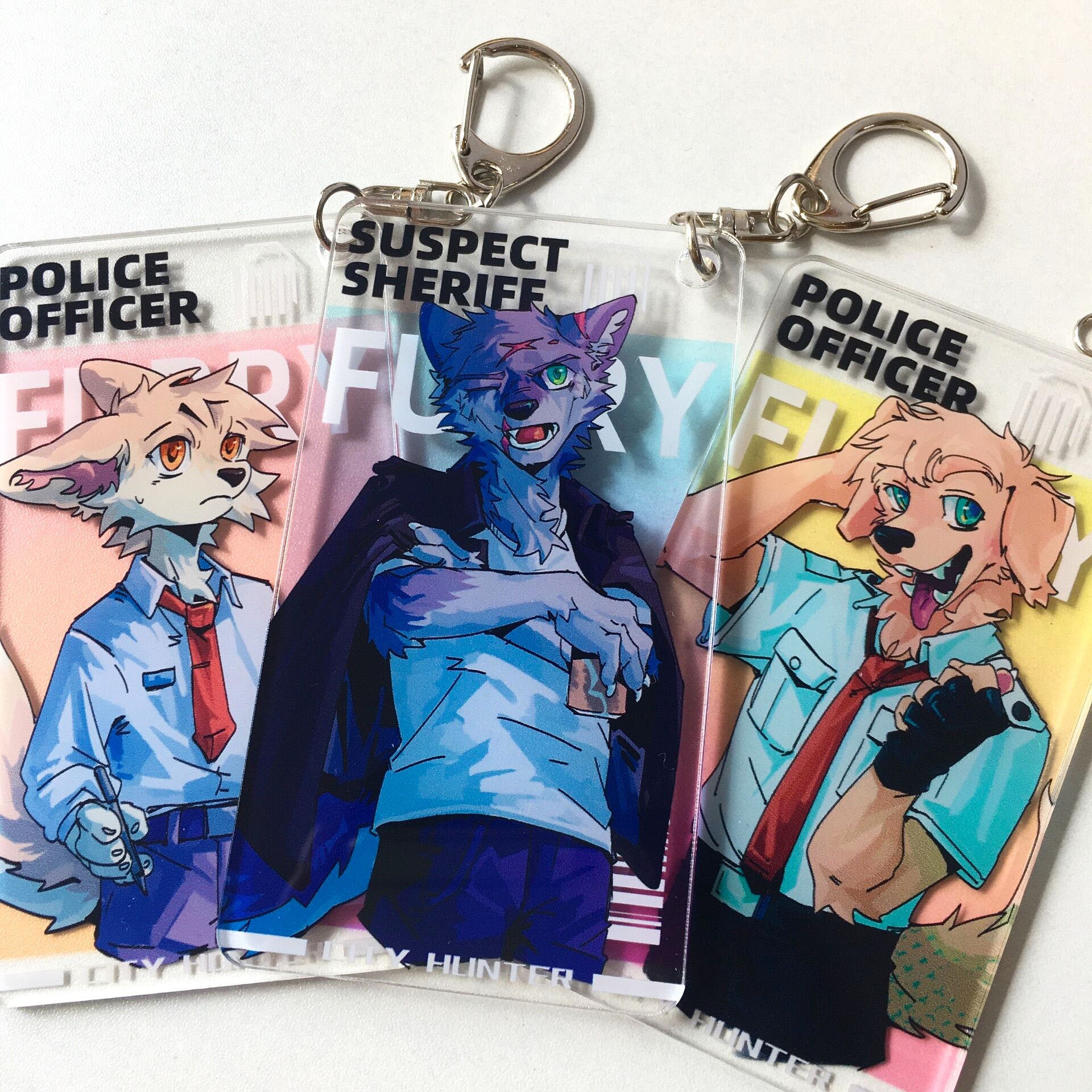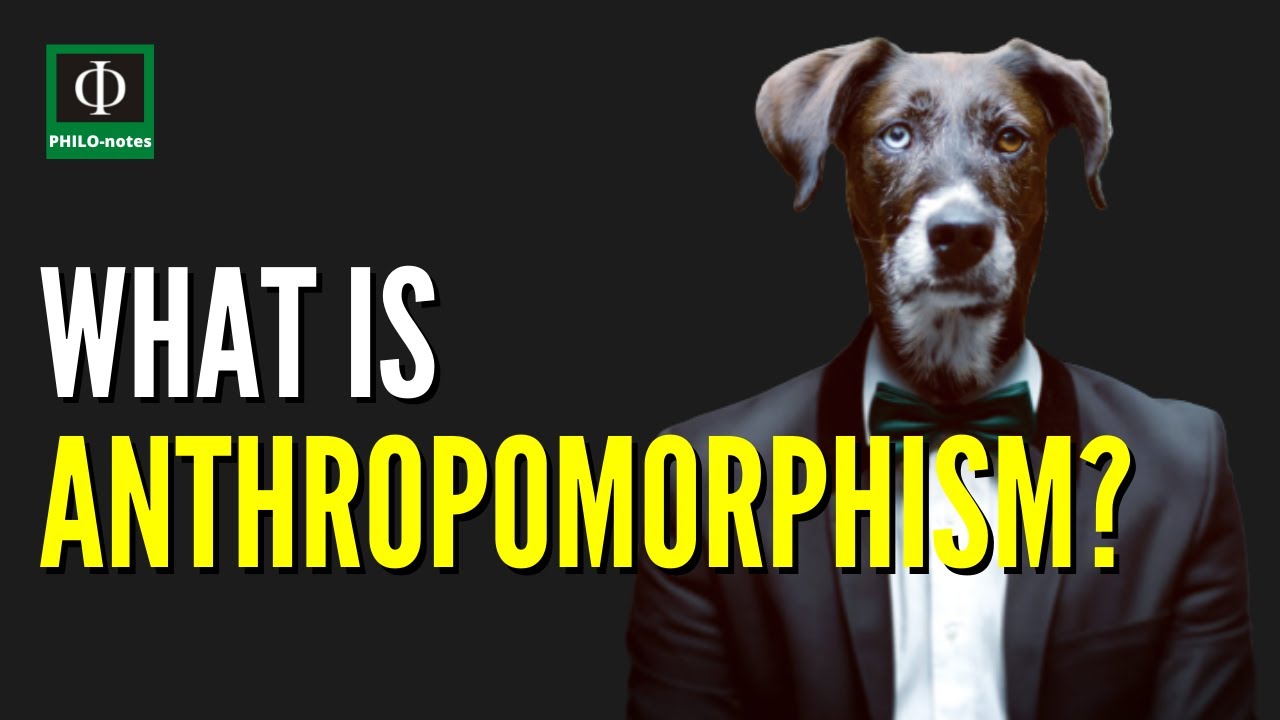
In the intricate dance of human connection, anthropomorphism acts as an ethereal thread weaving life into the inanimate, and souls into the intangible. This subtle alchemy, where qualities of human emotion and intention are bestowed upon objects, pets, or even abstract concepts, has long fascinated psychologists, romantics, and philosophers alike. Within the realm of romantic relationships, anthropomorphism emerges as a double-edged sword—both a balm that soothes emotional chasms and a labyrinth that can obscure authentic understanding. Its impact is profound, rippling through the corridors of intimacy with a resonance that is at once enchanting and enigmatic.
Anthropomorphism as an Emotional Catalyst in Romance
Anthropomorphism often acts as a silent architect in romantic relationships, crafting bridges across emotional distances where words falter. When lovers attribute human emotions or intentions to their partner’s actions—or the objects that symbolize their bond, like gifts or shared artifacts—they create a vivid tapestry of meaning. This phenomenon functions as an emotional catalyst, igniting feelings of empathy and connection. For example, a partner’s beloved pet or a cherished memento can take on a persona that embodies the essence of the relationship itself, offering comfort during moments of solitude or strife.
This humanization of the non-human serves as a prism, refracting complex feelings into simpler, relatable forms. It enriches romantic experience by cultivating empathy and deepening emotional investment. Like a poet etching verses into stone, anthropomorphism carves permanence into fleeting moments, embedding symbolic significance that enhances the lovers’ shared narrative.
The Illusion of Understanding: When Projection Clouds Reality
Yet, beneath its alluring surface, anthropomorphism can sow seeds of illusion. The tendency to project desires, fears, or intentions onto a partner—or even onto relationship dynamics—can distort genuine understanding. This phenomenon is comparable to viewing the world through a kaleidoscope; the fragments of reality are genuine, yet their assembled form hinges entirely on one’s subjective perspective.
Romantic relationships thrive on authentic communication, but anthropomorphic projections can replace this with assumed thoughts and feelings, leading to misinterpretations or unmet expectations. For instance, interpreting a partner’s silence as disapproval or jealousy without dialogue can spiral into unnecessary conflict, fueled by imagined sentiments rather than factual exchange. Thus, anthropomorphism acts as a veil, at times obscuring the nuanced truth beneath layers of constructed meaning.
The Role of Anthropomorphism in Digital Romance
In the age of pixels and curated digital personas, anthropomorphism assumes a renewed significance. The virtual realm often lacks corporeal cues—the subtleties of touch, expression, and inflection—leaving lovers to fill gaps with imagined human attributes. Online avatars, text messages, and virtual gifts become canvases upon which emotions are projected and expectations are painted.
This imaginative filling-in becomes a compelling survival strategy for intimacy across screens. However, the digital landscape also magnifies risks. With limited sensory input, anthropomorphic embellishments can escalate, fashioning idealized or distorted versions of partners. This has the potential to both enrich digital romance by fostering playful intimacy and to engender disillusionment when the virtual persona fails to align with reality.
Anthropomorphism in Attachment and Security
The need to anthropomorphize extends deeply into the psychological substrates of attachment. Human beings crave security and connection, and when tangible human contact is insufficient or strained, the mind instinctively populates the relational void with familiar human qualities. This is evident in partners attributing emotional needs to objects such as stuffed animals, photographs, or even imagined narratives about the relationship’s trajectory.
By endowing these inanimate entities with life-like attributes, individuals can experience a stabilizing effect, a symbolic form of embrace that mitigates anxiety and fosters a sense of presence. These externalized projections act like emotional scaffolding, propping up fragile sentiments and anchoring love in a world sometimes adrift with uncertainty.
Navigating the Paradox: Embracing Anthropomorphism with Consciousness
Anthropomorphism presents a paradoxical allure—it enchants and endangers, deepens connection and risks misinterpretation. The imperative, therefore, lies in cultivating conscious awareness of this process within romantic relationships. Recognizing when human qualities have been ascribed to partners, artifacts, or relationship constructs allows for a nuanced appreciation without surrendering to illusion.
Mindful navigation of anthropomorphic tendencies enables couples to utilize their emotional benefits—enhanced empathy, symbolic depth, and comfort—while maintaining grounded communication and realistic expectations. It is akin to walking a tightrope strung between whimsy and wisdom, where balance grants access to the richest reservoirs of love without relinquishing clarity.
Conclusion: The Unique Appeal of Anthropomorphism in Love
Anthropomorphism’s impact on romantic relationships is multifaceted and profound, imparting a singular charm that mirrors the very essence of human longing. It transforms mundane objects into beloved talismans, breathes narrative life into silences, and fuels imagination to bridge emotional divides. Like a masterful storyteller, it molds the amorphous chaos of feelings into relatable forms, making love’s intangible currents visible and tangible.
Ultimately, anthropomorphism elevates romance by adding layers of meaning and emotional richness, inviting lovers into an ongoing myth-making journey. Its unique appeal lies in its power to humanize the non-human, to animate connection beyond words—and therein lies its enduring magic. Understanding and embracing this phenomenon equips couples with a deeper vocabulary for love’s complex dance, revealing new dimensions of intimacy and shared experience.