Have you ever found yourself chatting with a potted fern or muttering encouragements to an inanimate object? While such behavior might seem whimsical, it nudges an intriguing question: why do humans engage in conversations with plants and objects? Is this mere eccentricity, or does it reveal deeper psychological mechanisms at play? Diving into the psychology behind these interactions unveils a fascinating tapestry of cognition, emotion, and social behavior, all wrapped in an unexpected form of communication.
The Intrinsic Human Need for Connection
Human beings are inherently social creatures, wired to seek connection and recognition. When traditional social avenues are scarce or unsatisfactory, alternative channels often emerge. Talking to plants or objects is, at its core, an expression of this need for companionship. These silent “listeners” provide a form of nonjudgmental presence, enabling individuals to externalize thoughts and emotions without fear of reprisal or misunderstanding. This behavior is not confined to solitude; even in bustling environments, the urge to verbalize can serve as an anchoring mechanism, helping individuals to feel grounded and heard, albeit by entities incapable of conscious response.
Anthropomorphism: Imbuing Life into the Inanimate
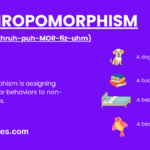
One psychological phenomenon underpinning this practice is anthropomorphism—the attribution of human traits, emotions, or intentions to non-human entities. Labeling a favorite mug as “stubborn” or describing a houseplant as “happy” activates the imaginative faculties of the mind, creating an embodied sense of presence. This mental personification transcends mere imagination; it fosters empathy and encourages caretaking behaviors. When a plant is “listened to,” it becomes more than a collection of leaves and stems—it becomes a quasi-social partner, rewarding the caretaker with a sense of responsibility and emotional satisfaction. This imaginative leap can reveal much about how humans project their emotional states onto the world around them.
Psychological Benefits: Stress Reduction and Emotional Regulation
Engaging in dialogue with plants or objects also serves a therapeutic function. Vocalizing thoughts aloud facilitates cognitive processing and emotional regulation, enabling individuals to navigate stress and anxiety more effectively. This vocal rehearsal acts as a calming ritual, promoting mindfulness by centering attention on the present. Furthermore, caring for a living plant, enhanced by the practice of verbal communication, can foster feelings of nurture and accomplishment, which are vital for psychological well-being. The rhythmic nature of speaking to a plant or object may even stimulate neurological pathways associated with positive reinforcement, reducing cortisol levels and fostering a tranquil inner state.
The Role of Intentionality and Ritual
Talk to a plant may seem trivial, but it often becomes part of a larger ritual imbued with intentionality. Rituals, by their nature, create psychological boundaries and structure, providing predictability in an unpredictable world. Speaking to an object becomes an expressive act, a facade of interaction that conveys hope, affirmation, or even a challenge to one’s own beliefs. This interplay of ritual and intent can deepen the perceived efficacy of the interaction, wherein the person subtly coaxes growth and vitality out of an otherwise silent participant. These rituals reflect the human propensity to find meaning in patterns, transforming quotidian tasks into moments of profound significance.
Social and Developmental Perspectives: From Childhood to Adulthood
The tendency to converse with plants or objects often emerges in childhood, a period ripe with imaginative play and active anthropomorphism. Children readily treat toys, pets, and plants as companions, naturally extending social cognition beyond human boundaries. However, this behavior does not always dissipate with maturity. In adults, such communication can signal creativity, emotional richness, or even compensatory mechanisms for social isolation. Unlike childish make-believe, adult interactions tend to be less imaginative play and more intentional dialogic engagement—reflecting a sophisticated integration of self-reflection and external embodiment.
The Challenge of Perception: Social Stigma and Misunderstanding
Despite its psychological richness, talking to plants or objects often encounters societal skepticism or outright dismissal. This poses an underexplored challenge: how does one reconcile internal need with external judgment? The behavior can be misinterpreted as eccentric or symptomatic of loneliness, masking the nuanced psychological roles it fulfills. This social stigma may inhibit healthy forms of self-expression, leading individuals to suppress a behavior that provides comfort and balance. By re-examining cultural narratives around such interactions, a space might be carved out for greater acceptance, recognizing these practices as adaptive rather than aberrant.
Scientific Explorations: Can Plants “Hear” Us?
On a more empirical front, the act of talking to plants has provoked scientific curiosity. While plants do not possess auditory organs, they respond to vibrations and environmental stimuli in complex ways. Some studies suggest that gentle sounds or vibrations can influence plant growth and metabolism, though the mechanisms remain an active topic of research. This interrelation blurs the lines between metaphor and biology, inviting a reconsideration of what it means to “communicate” across species. Whether attributed to scientific causality or psychological symbolism, the dialogue between humans and plants underscores a bidirectional dynamic that enriches the lived experience of caretaking.
Expanding the Dialogue: Objects as Psychological Mirrors
Extending beyond plants, talking to objects reflects a broader psychological theme: using the external world as a canvas for internal dialogues. Objects can act as mirrors, reflecting attitudes, beliefs, and emotional states back to the individual. Speaking aloud to a tool, a piece of clothing, or a cherished artifact allows one to externalize conflict, hopes, or frustrations, providing clarity in moments of distress or indecision. These interactions often bridge conscious and unconscious processes, facilitating insight and problem-solving in ways solitary thinking cannot replicate.
Conclusion: Embracing the Unconventional Conversation
So, why do humans talk to plants and objects? Beneath the surface whimsy lies a profound psychological landscape—a terrain where loneliness meets creativity, cognition intertwines with emotion, and ritual breathes life into the inanimate. This playful yet intricate behavior underscores an essential truth about the human condition: the desire to be heard, understood, and connected often transcends the boundaries of conventional conversation. Embracing this unconventional dialogue challenges preconceived notions of communication and invites a richer appreciation of how we relate to the world around us.