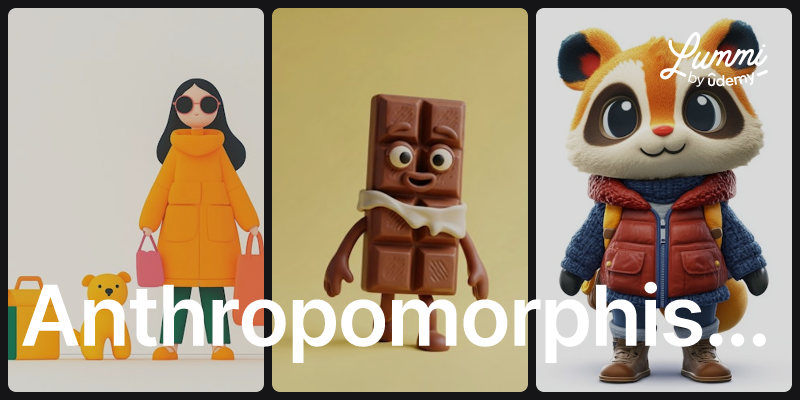
Anthropomorphism, the attribution of human traits, emotions, or intentions to non-human entities, has perennially fascinated humankind. In adults, this psychological phenomenon transcends mere whimsy and reveals intricate facets of cognition, emotion, and social interaction. Understanding the psychology of anthropomorphism in adults promises not only to shift our perspective on how we relate to the world around us but also to unveil unexpected depths in the human mind’s quest for meaning and connection.
The Cognitive Underpinnings of Anthropomorphism
At its core, anthropomorphism is deeply rooted in cognitive processes. Humans are uniquely equipped with advanced theory of mind—the capacity to attribute mental states to others—which extends beyond conspecifics to objects, animals, and abstract concepts. This proclivity arises from an innate desire to predict and explain the environment in comprehensible terms. When faced with ambiguity, the mind often defaults to using familiar human schemas to fill informational voids. This heuristic shortcut enables rapid interpretation but also naturally imbues inanimate entities with human-like qualities. It represents a cognitive scaffolding that, while efficient, sometimes obscures the true nature of the non-human, fusing perception with imaginative inference.
Emotional Resonance and the Yearning for Connection
Beyond cognition, anthropomorphism taps deeply into emotional undercurrents. Adults frequently project emotions onto pets, consumer products, or even technological devices, fostering a perceived relationship that satisfies the inherent human craving for connection. In an increasingly atomized and digital society, this psychological bridge offers solace and companionship where traditional social bonds may falter. Emotional anthropomorphism thus acts as a vessel for empathy, allowing adults to navigate feelings of loneliness, vulnerability, or longing through symbolic interpersonal exchanges with the non-living or non-human world.
Anthropomorphism as a Mechanism for Meaning-Making
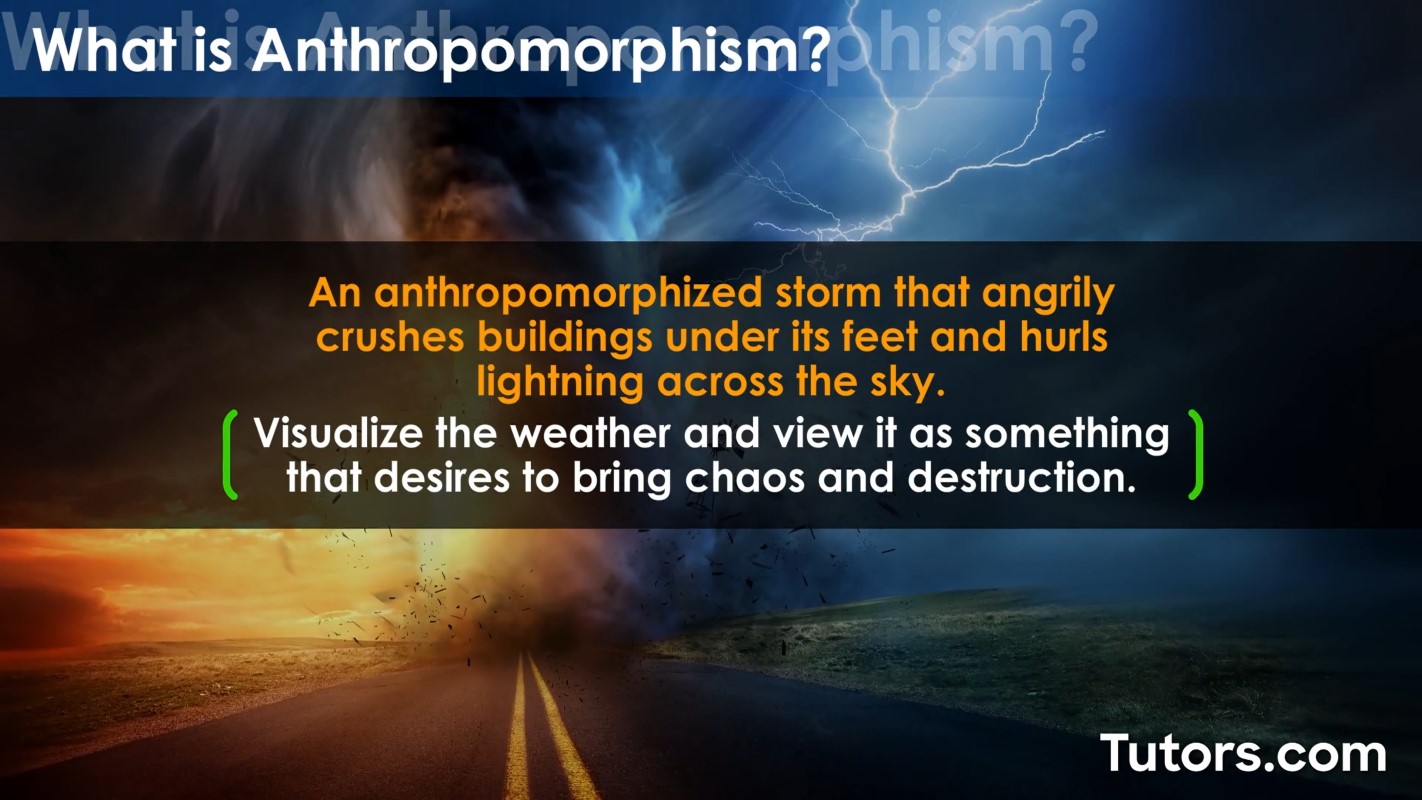
Human existence is fundamentally entangled in the search for meaning. Anthropomorphism operates as a potent mechanism through which adults imbue their surroundings with significance. Abstract phenomena—ranging from natural disasters to technological malfunctions—are often humanized to transform chaos into narrative. This storytelling aspect serves as a psychological anchor, permitting individuals to interpret events through a lens of intention and morality. By animating the inanimate, individuals construct frameworks of understanding that render complexity more navigable and emotionally manageable. Consequently, anthropomorphism is less a flaw and more an existential strategy aligned with the human condition.
The Social Dimension and Cultural Contexts
Anthropomorphism is neither static nor universal; it is tempered and sculpted by social and cultural influences. Societies imbue different objects or entities with unique symbolic meanings, often embedding anthropomorphic elements into myths, traditions, and contemporary media. The social dynamics of adults engaging in shared anthropomorphic narratives enhances group cohesion and identity formation. For example, collective rituals involving animal deities or the personification of natural forces foster communality and transmit cultural values. Moreover, the rise of consumer culture and digital interfaces has popularized the anthropomorphic design of products and virtual assistants, intentionally crafting emotional bonds that influence behavior and consumer loyalty.
The Intersection of Anthropomorphism and Technology
The rapid proliferation of artificial intelligence and robotics has propelled anthropomorphism into new psychological territories. Adults increasingly encounter machines that simulate human-like responses and personalities, stirring a complex interplay between authenticity and artifice. This engenders not only fascination but also philosophical quandaries about agency, trust, and relational boundaries. The psychological tendency to anthropomorphize technology enhances usability and emotional engagement but can simultaneously blur the distinction between the animate and inanimate. Such dynamics compel reconsideration of how the human psyche negotiates identity and sociality in the digital age, underscoring anthropomorphism’s evolving significance.
Implications for Mental Health and Well-Being
Anthropomorphism’s psychological footprint extends to mental health, where it can serve both adaptive and maladaptive functions. On one hand, projecting human qualities onto pets or objects can alleviate stress, reduce feelings of isolation, and promote emotional stability. These symbolic attachments often act as surrogates for social support during times of hardship. On the other hand, excessive anthropomorphism may contribute to distorted perceptions or hinder social functioning if it replaces genuine interpersonal interactions. Understanding this delicate balance is crucial for mental health professionals as they consider anthropomorphic tendencies within therapeutic and social contexts.
Future Perspectives: Reframing Our Relationship with the Non-Human
Emerging research and cultural shifts suggest an impending reframing of anthropomorphism’s role in adult psychology. Rather than dismissing it as mere childish fancy or cognitive error, acknowledging its complex, multifaceted nature invites a more nuanced appreciation of how humans relate to their environments. This epistemological shift holds promise for enhancing human-machine interaction, environmental ethics, and social connectivity. By embracing anthropomorphism as a profound expression of human creativity and relational need, future discourse may reveal new horizons in understanding consciousness, empathy, and the continuum between self and other.