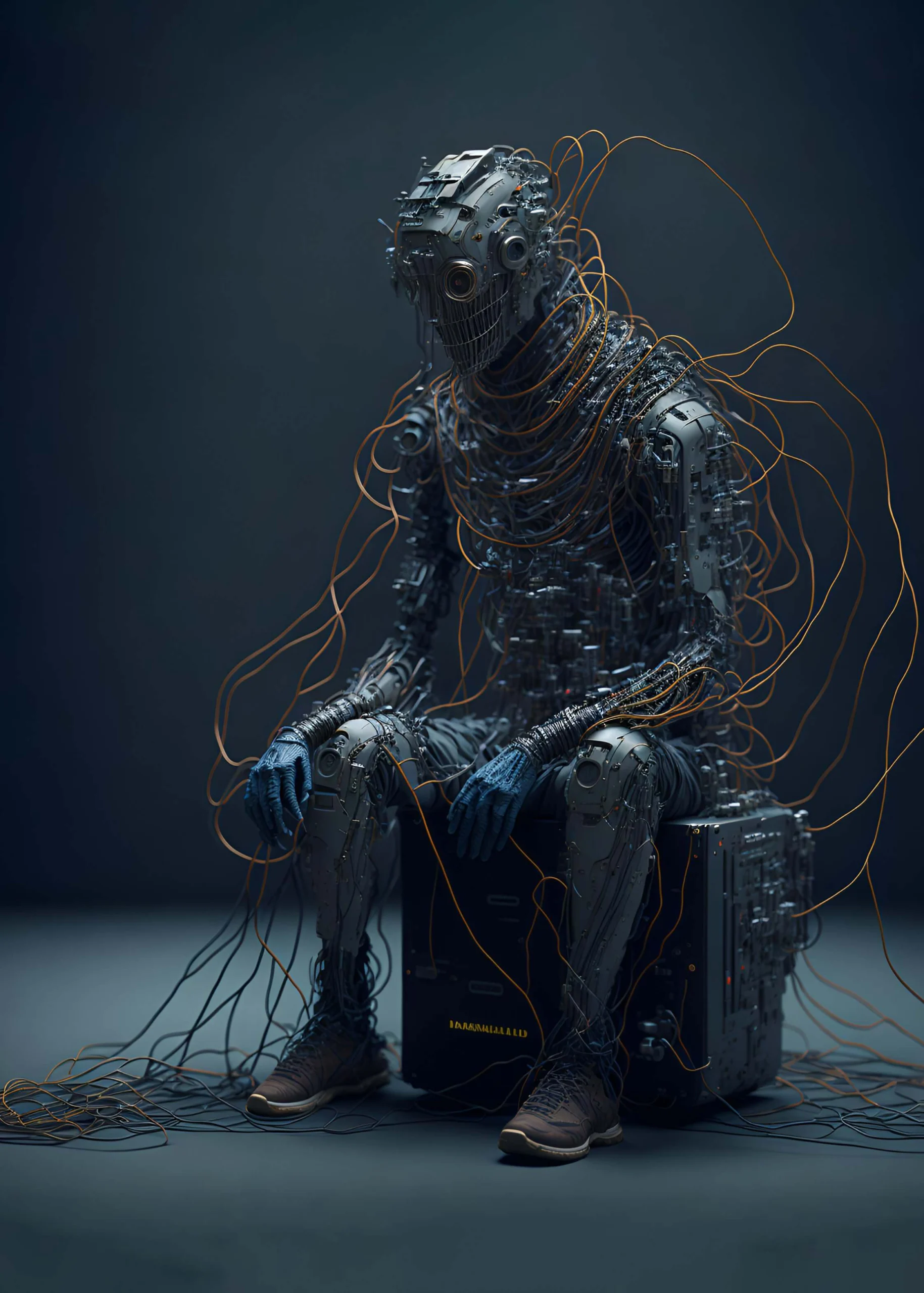
Have you ever pondered why a simple smiley face can stir a sense of warmth or how a tiny animated character can evoke complex emotions? The answer lies in anthropomorphism—a fascinating human proclivity to imbue inanimate objects or abstract symbols with human traits. This psychological phenomenon blossoms vividly in the realm of emojis, those quirky digital icons that pepper our conversations relentlessly. But why do we anthropomorphize emojis? Is it merely convenience, or something far deeper that touches the core of our social and emotional fabric? More intriguingly, could this playful act harbor subtle challenges that alter how we communicate in the digital age?
The Innate Human Drive to Anthropomorphize
Anthropomorphism is no modern invention; it is an intrinsic cognitive mechanism etched into our very being. From ancient mythologies where rivers whispered with spirits to modern advertising where products smile back at us, humans crave connection through familiar, relatable forms. In digital communication, emojis serve as miniature avatars, bridging the stark emotional void left by text alone. By adorning a yellow circle with eyes and a grin, we transform a sterile symbol into an emotive entity. This predilection enhances empathy and social bonding, allowing otherwise impersonal messages to resonate with subtle affective nuance.
This human tendency arises from our brain’s effort to make sense of the world by mapping unfamiliar stimuli onto known social frameworks. When conversations strip away vocal intonation and body language, emojis fill the emotional vacuum. They perform an indispensable role, serving as semiotic vessels that carry sentiments, attitudes, and unspoken cues. Far from frivolous embellishments, these icons function as digital puppets whose expressions invite interpretation and emotional mirroring.
Emojis as Miniature Human Characters
The playful nature of emojis transcends mere facial expressions. Many emojis are anthropomorphized through postures and gestures that mimic human body language—arms raised in celebration, hands clasped in prayer, or figures engaged in dance. These visual cues tap into our subconscious fluency in reading human physicality, making the digital interaction more dynamic and immersive.
Consider a waving hand emoji. Beyond the simple depiction of a hand, it suggests a greeting, a farewell, or an invitation to connect—entirely through a pose. This use of body language encoded in pixels invites users to participate in a shared emotional script. The challenge lies in the limitation of these miniatures: capturing human complexity in a handful of pixels requires simplification that risks ambiguity. What one user perceives as an earnest wave, another might interpret as sarcasm or indifference, highlighting the delicate balance between expressive efficiency and potential miscommunication.
The Psychological and Social Implications of Emoji Anthropomorphism
Anthropomorphized emojis do more than decorate messages — they reshape the contours of digital interaction. Psychologically, they provide an accessible means to convey empathy, humor, or solidarity. Neuroscientific studies suggest that viewing anthropomorphic faces activates areas of the brain responsible for social cognition, underscoring the depth of our engagement with these symbols.
On a social level, groups and cultures develop distinct conventions surrounding emoji use, integrating socially constructed meanings with inherent visual cues. This hybridization of symbol and social context creates a fluid linguistic tapestry that evolves with usage patterns. Yet, such variability may breed misunderstandings across cultural and generational divides, posing a challenge for uniform interpretation. How do we reconcile these differences without sacrificing the spontaneity and personalization that anthropomorphic emojis afford?
The Evolution and Expansion of Emoji Poses
Emojis have evolved from simple smiley faces to a cornucopia of humanlike poses and scenarios, reflecting the complexity of human experience. Modern sets include depictions of activities, professions, emotional states, and interpersonal dynamics, all characterized by anthropomorphic gestures and stances. This expansion enables users to express layered feelings and social contexts swiftly.
This growth implicitly acknowledges the power of pose as a semiotic device. A yoga pose might convey mindfulness, a dancing figure exuberance, or a hand over the mouth embarrassment. Through these visual vocabularies of posture, emojis articulate a non-verbal, corporeal form of digital speech. However, expanding the lexicon also introduces the risk of over-saturation, where the abundance of nuanced poses could overwhelm or dilute communicative clarity. Users may become ensnared in decoding myriad subtleties rather than focusing on message content, prompting the question: can the proliferation of nuanced anthropomorphic emojis paradoxically impede meaningful communication?
Challenges in Interpreting Anthropomorphic Emojis
While the humanlike qualities embedded in emojis enrich digital conversation, they also usher in interpretive challenges. The abstraction inherent in transforming complex human gestures into simplified icons inherently limits context and detail. Ambiguity often arises—does a folded-hand emoji denote prayer, gratitude, or a plea? Is a wink playful or sarcastic? These polysemous readings can lead to misinterpretation and subtle social friction.
Furthermore, the digital medium strips away many nuanced cues such as timing, tone, and situational context critical to fully decoding meaning. Unlike face-to-face interaction where gestures accompany speech fluidly, emojis exist in isolation or alongside text, sometimes generating mixed signals. This ambiguity requires users to negotiate meanings actively and sometimes err on the side of caution, curbing emotional expressiveness.
Why Do We Keep Using Anthropomorphic Emojis Despite These Challenges?
The allure of anthropomorphic emojis lies not only in their utility but also in their capacity to humanize cold, impersonal digital landscapes. They offer a conduit for warmth, humor, and identity expression. Even when misunderstandings occur, the effort invested in selecting or interpreting these tiny figures enriches social engagement and fosters a sense of community.
More importantly, these icons mirror our innate desire to externalize internal feelings and bridge the empathy gap introduced by screens. Their playful poses invite users to perform their emotions visually, nurturing a sense of presence and relational intimacy across virtual divides. The challenges intrinsic to anthropomorphism do not diminish its value but rather prompt ongoing adaptation and creativity in digital communication.
Conclusion: The Dance Between Clarity and Connection
Anthropomorphism in emojis encapsulates a delicate dance between expressiveness and ambiguity, connection and confusion. These tiny anthropomorphic figures wield immense power — they humanize the mechanical, animate the inanimate, and enrich the flat expanse of text with gestures and expressions. Yet, their very design and interpretation remain fraught with potential misreadings, underscoring a critical tension inherent in human communication itself.
As digital dialogue continues evolving, the playful question persists: can we harness the expressive potential of anthropomorphic emoji poses while navigating their interpretive pitfalls? The answer may ultimately lie in balancing our willingness to embrace ambiguity with a shared commitment to empathy, ensuring that these diminutive digital familiars continue to illuminate human connection in the vast digital expanse.