In the vibrant world of music, artists often transcend their human forms to adopt personas that are anything but ordinary. Among these, the adoption of anthropomorphic personas stands out as a captivating phenomenon. Musicians drawing on animal-like or fantastical attributes have ignited curiosity for decades. On the surface, it simply appears as a creative whimsy—a stylistic choice to entertain or stand out. Yet beneath this striking imagery lies a deeper, more profound fascination that speaks to identity, storytelling, psychological resonance, and cultural symbolism. Understanding why musicians resort to anthropomorphic personas uncovers a rich tapestry of artistic strategy and human psychology.
The Power of Symbolism in Anthropomorphic Imagery
Animals and mythic beings carry inherent symbolic weight, drawn from centuries of folklore, mythology, and cultural narratives. When musicians adopt anthropomorphic traits, they tap into this powerful reservoir of symbolism. A feline persona, for example, summons ideas of agility, mystery, sensuality, and independence—qualities that many performers find appealing to embody on stage. The use of anthropomorphic imagery kindles a shorthand communication with audiences, evoking archetypes that transcend language and culture. This symbolic resonance gives musicians a poignant way to express complex personal or artistic themes without overt explanation.
Psychological Identity and Persona Construction
The concept of identity in performance is multifaceted. Musicians frequently cultivate distinctive personas to navigate the gap between their private selves and their public roles. Anthropomorphic personas allow for a partial disguise, a metamorphosis that frees artists from conventional human constraints. This transformation offers psychological liberation—enabling augmented confidence, creative exploration, or even emotional protection. Through these non-human guises, musicians can experiment with facets of personality and expression that may feel inaccessible in mundane circumstances. In essence, it becomes a method for artists to safely externalize internal experiences and narratives.
Creating Immersive Narrative Worlds
Music is storytelling in a broad sense, and anthropomorphic personas help musicians build immersive, fantastical worlds around their art. These personas are not simply costumes; they are characters embedded within larger conceptual frameworks. This strategy enhances audience engagement by inviting listeners into a vivid narrative universe where music and myth intertwine. Consider how a band comprised of anthropomorphic animals insinuates itself into a unique cultural mythology, fostering an evocative ambiance. Such narrative layering enriches the art form, transforming concerts into theatrical performances and recordings into chapters of an ongoing saga.
Marketing and Differentiation in a Saturated Landscape
The music industry is intensely competitive. Standing out requires inventiveness not just in sound, but in image and branding. Adopting an anthropomorphic persona can be an ingenious differentiator—creating a memorable visual identity that captures attention. These personas often spark curiosity and dialogue, serving as effective hooks for media and fan communities alike. Moreover, the fantastical aspect fuels deeper merchandising opportunities, powering thematic albums, graphic novels, and collectibles. In a marketplace where visual distinction drives commercial success, anthropomorphic personas deliver an unmistakable edge.
Audience Psychology: Empathy and Projection
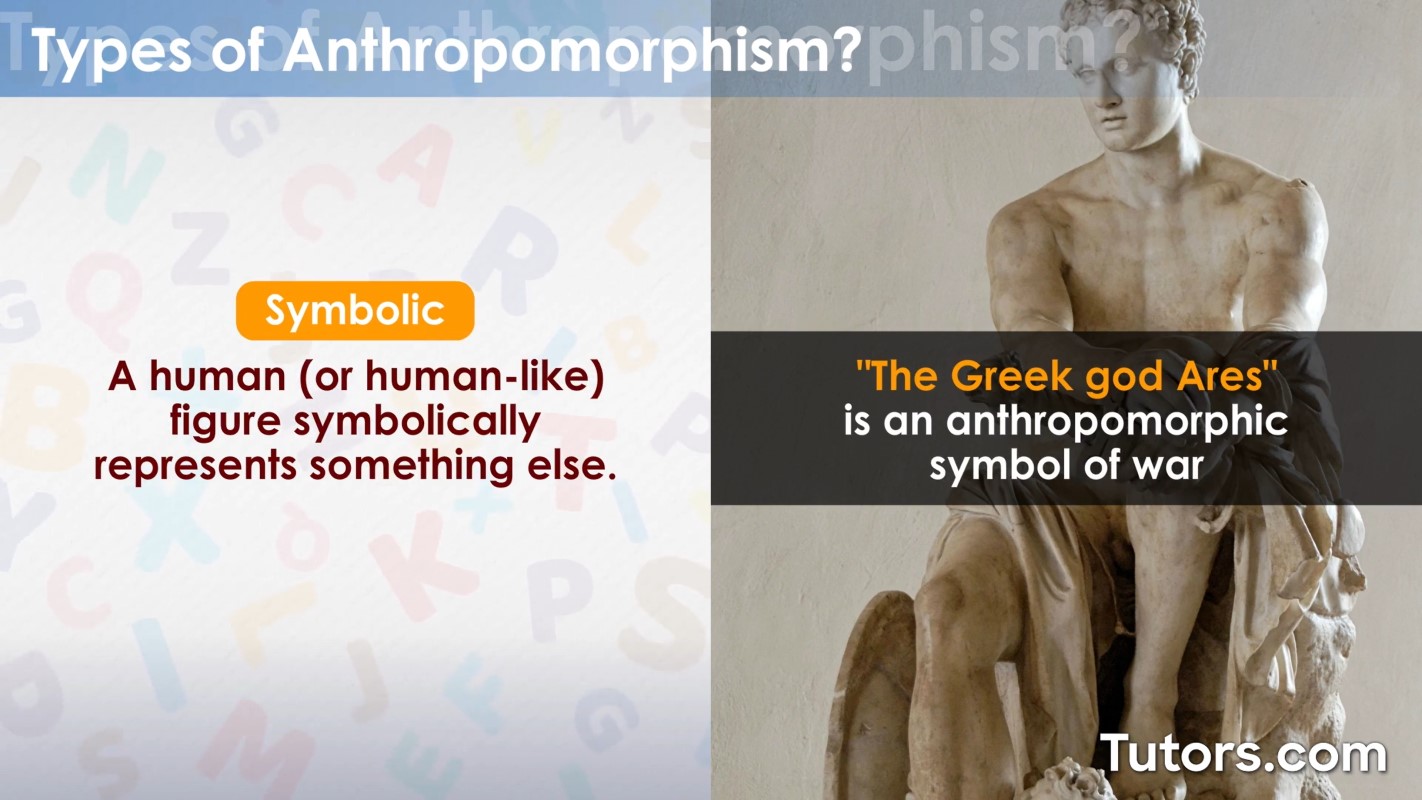
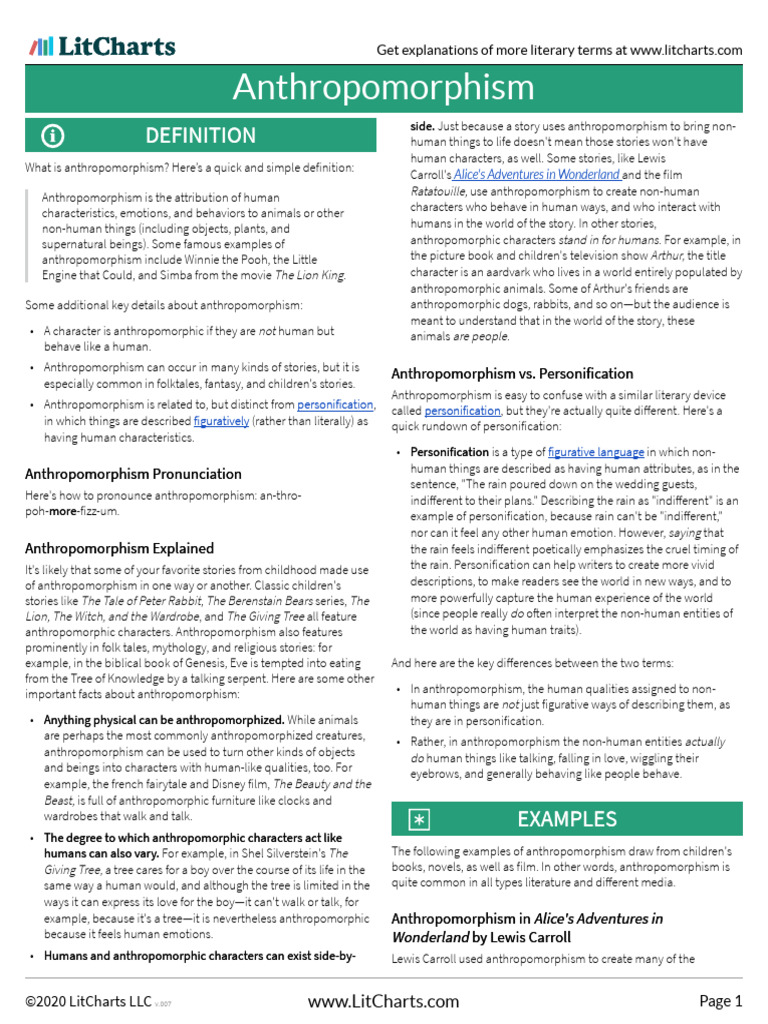
Audiences instinctively project emotions and narratives onto anthropomorphic figures. This dynamic stems from humans’ long evolutionary relationship with animals, alongside psychological mechanisms such as anthropomorphism, which involves attributing human traits to non-human entities. When musicians harness this inclination, they foster stronger emotional connections. Fans often perceive anthropomorphic personas as both approachable and extraordinary. This duality invokes empathy while satisfying a craving for escapism. The result is a potent blend of relatability and otherworldliness that can deepen fan loyalty and emotional investment.
The Role of Cultural and Subcultural Contexts
Anthropomorphic personas are not employed in a vacuum; their significance can vary widely depending on cultural and subcultural frameworks. In some musical movements, such as certain branches of electronic, metal, or alternative music, these personas embody rebellion, an embrace of the uncanny, or spiritual symbolism. Subcultures celebrate the freedom of boundary-pushing identities, and anthropomorphism offers an expansive toolkit. This cultural layering grants musicians the capacity to comment on societal norms, challenge perceptions of humanity, or explore existential themes. Thus, anthropomorphic personas often become vessels for ideological expression as much as artistic flair.
Technological Advancements and Visual Creativity
The rise of digital technology and advanced visual effects has expanded the possibilities for anthropomorphic personas. Augmented reality, CGI, and elaborate stage effects allow musicians to animate non-human characters in immersive ways previously unattainable. This technological synergy enhances the appeal and authenticity of these personas, allowing for fluid morphing between human and animal states or the creation of entirely novel hybrid beings. The seamless integration of technology with persona construction amplifies the impact of performances and broadens creative horizons, catalyzing a new era of multimedia storytelling within music.
Conclusion: The Enduring Allure of the Anthropomorphic
Musicians’ use of anthropomorphic personas is a multifaceted phenomenon, intricately woven from symbolic tradition, psychological complexity, narrative artistry, and cultural context. Far from being a mere stylistic affectation, these personas offer artists a potent mode of expression—one that captivates audiences by bridging the familiar and the fantastical. Whether as vehicles for identity exploration, marketing ingenuity, or mythic storytelling, anthropomorphic personas continue to mesmerize both creators and fans. Their enduring allure lies in the human impulse to connect, transform, and transcend through imaginative embodiment, echoing timeless desires to explore the boundaries of self and art.