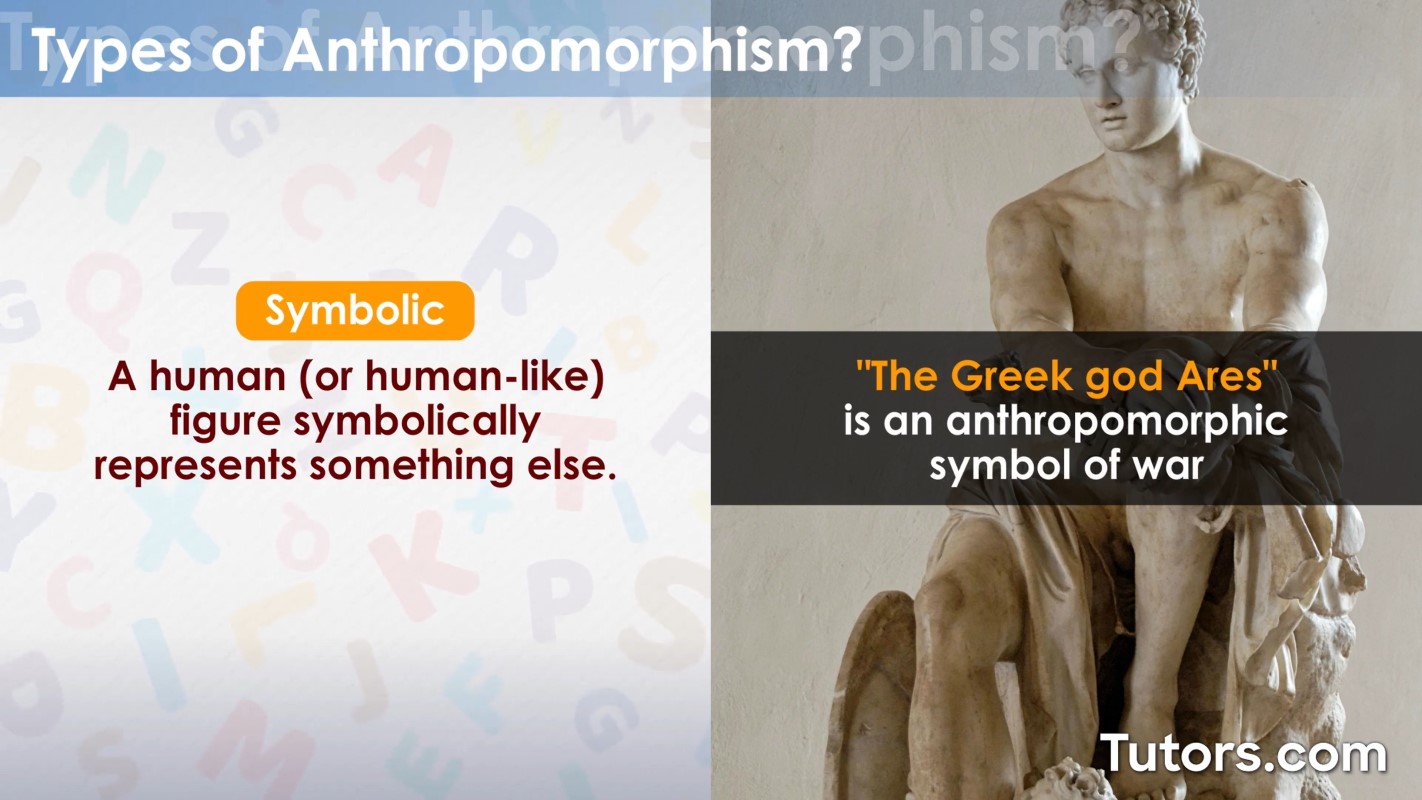
From the earliest days of childhood, many are captivated by the sight of animals and objects brought to life through animation and illustration. These entities, given human traits and expressions, enthrall young minds in ways that purely realistic portrayals often cannot. This phenomenon, known as anthropomorphism, is a powerful narrative device in cartoons. Beneath its playful surface lies a complex web of psychological and developmental implications that shape how children perceive the world and themselves. Understanding how anthropomorphism influences child development unveils not only the reasons for a common childhood fascination but also the nuanced effects on cognition, emotional growth, and social understanding.
The Innate Attraction to Humanlike Traits in Non-Human Forms
Children demonstrate an almost instinctive penchant for attributing human characteristics to animals, objects, or even abstract entities. This proclivity is not arbitrary but rooted in cognitive predispositions. Human beings are naturally wired to recognize faces and discern emotions—skills essential for social interaction. When a cartoon character embodies familiar human gestures, facial expressions, or speech patterns, it triggers recognition and familiarity. This recognition fosters a sense of comfort and interest that draws children deeper into the narrative.
Moreover, anthropomorphized characters serve as intuitive bridges between the child’s internal emotional landscape and external reality. For a young mind, abstract concepts such as morality, empathy, or fear are often challenging to grasp when presented in stark or factual terms. When these concepts are embodied by a friendly talking animal or a lively object with a face, they become accessible and relatable. The charm of anthropomorphism lies in its ability to transform the alien into the familiar, inviting children to engage with complex themes through a more palatable lens.
Facilitation of Emotional Comprehension and Empathy
One of the most profound influences of anthropomorphism in cartoons is its role in cultivating empathy. By endowing non-human characters with feelings and motivations, children learn to recognize and interpret emotions beyond their immediate experience. This vicarious emotional engagement enhances their capacity to empathize not only with characters on screen but gradually expands to real-world social contexts.
Repeated exposure to anthropomorphized narratives allows children to navigate a spectrum of emotional scenarios—joy, sorrow, conflict, reconciliation—with a measure of safety and distance. They witness complex emotional dynamics played out in a simplified, often exaggerated form, which aids in identifying subtle cues and comprehending diverse emotional responses. This subtle rehearsal is instrumental in shaping emotional intelligence during formative years.
Encouragement of Moral Reasoning through Symbolic Storytelling
Cartoons employing anthropomorphic characters often operate within a didactic framework. The humanlike qualities given to animals or objects enable storytellers to embed ethical dilemmas and moral lessons within appealing and memorable narratives. For children, who are still developing fundamental notions of right and wrong, these stories become ethical templates.
Anthropomorphic characters personify virtues such as honesty, courage, and kindness, making abstract moral principles tangible. When a character faces consequences tied to choices that mirror human ethics, children are invited to reflect on the ramifications of similar behaviors in their own lives. This narrative device transforms moral education from rote instruction into an immersive experience, where empathy and identification reinforce ethical understanding.
Enhancement of Language Acquisition and Cognitive Flexibility
Anthropomorphism in cartoons often comes paired with imaginative dialogue and inventive scenarios that challenge conventional logic. This engagement with playful, semi-realistic worlds stimulates linguistic development and cognitive flexibility. Children expand their vocabulary as they interact with diverse character archetypes and unconventional situations that lie outside the parameters of their daily experiences.
Moreover, translating the behaviors and motivations of non-human characters into meaningful narratives requires a level of mental dexterity. It nurtures symbolic thinking, allowing children to reconcile literal and figurative meanings simultaneously. This dual processing capability supports key developmental cognitive milestones and lays the groundwork for abstract reasoning and creative problem-solving.
Impact on Social Perception and Distinction between Reality and Fiction
While the anthropomorphic depiction of characters offers numerous developmental benefits, it also introduces complexities regarding children’s understanding of reality. The blending of human attributes with animals or objects may blur distinctions between the animate and inanimate, factual and fictional.
Occasionally, this can result in misunderstandings, such as attributing literal human abilities to pets or toys, or harboring expectations inconsistent with real-world behaviors. However, these misconceptions typically diminish as cognitive maturation progresses and children gain a firmer grasp of physical laws and biological limitations. In fact, navigating these blurred lines initially challenges children’s conceptual frameworks, encouraging critical thinking and curiosity about the natural world.
Promotion of Creativity and Imaginative Play
Anthropomorphic cartoons act as catalysts for imaginative play, an essential vehicle for cognitive and social development. When characters possess human traits, children are more inclined to assume roles, narrate stories, and invent scenarios that extend beyond passive consumption of media.
This kind of role-playing not only fosters creativity but also enables children to practice social roles, experiment with emotional expression, and develop problem-solving skills. Imaginative play anchored in anthropomorphic themes bridges fantasy and reality, granting a safe arena for exploration and self-expression that enriches developmental trajectories.
Conclusion: The Multifaceted Role of Anthropomorphism in Child Development
Anthropomorphism in cartoons transcends mere entertainment. It taps into intrinsic human tendencies to seek connection and understanding, rendering complex emotional and ethical lessons accessible to young minds. Through humanlike characters, children cultivate empathy, moral reasoning, language skills, and creative capacities, all while navigating the interplay between fantasy and reality. This enduring fascination is not simply a whimsical preference but a profound developmental tool that quietly shapes how children comprehend themselves and their world.