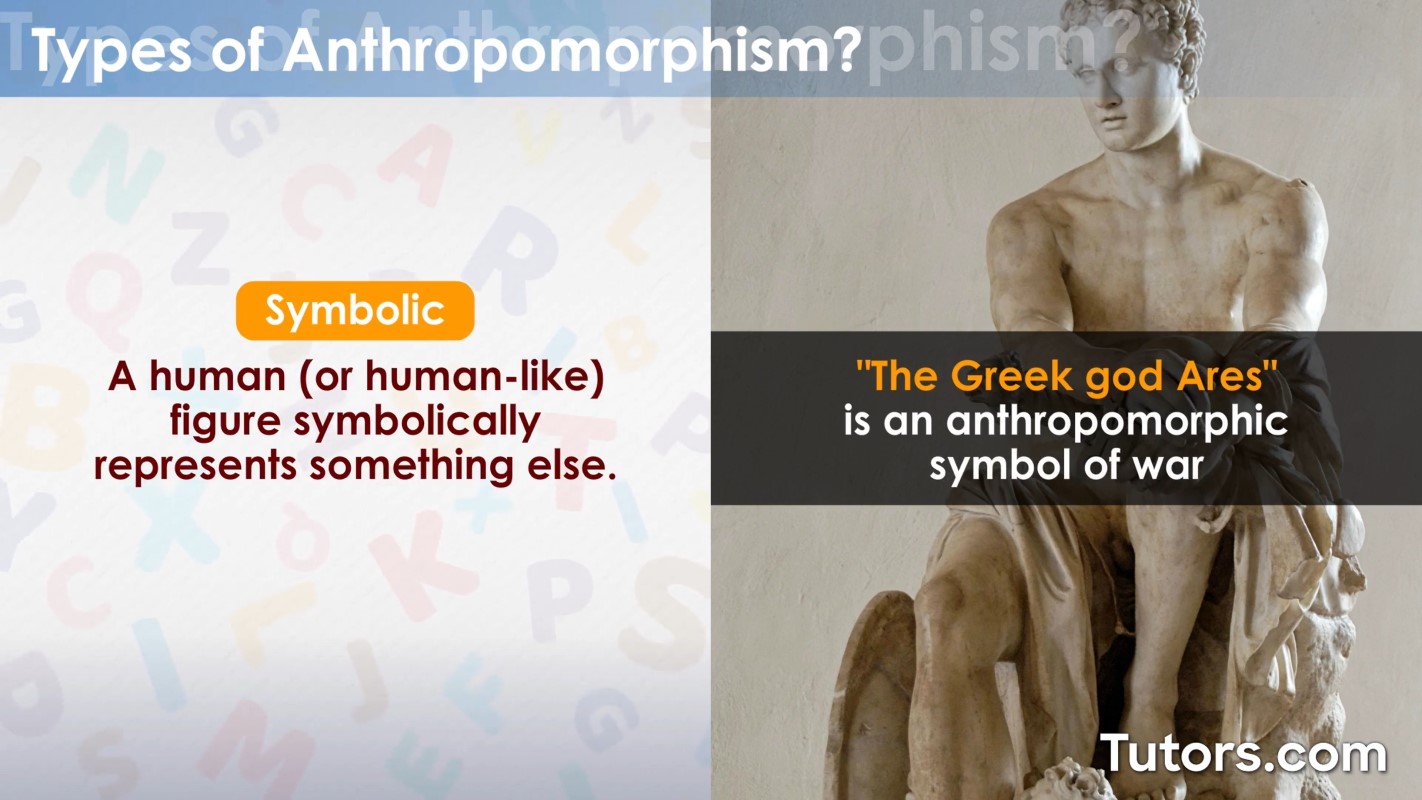
Have you ever paused mid-verse to wonder why the wind whispers secrets to the trees, or why the river sighs as it carves its path through the earth? In the vast tapestry of human expression, few threads are as enduring—or as enchanting—as the habit of endowing nature with human traits. This practice, known as anthropomorphism, transforms rivers into storytellers, mountains into guardians, and storms into tempests of wrath. But why do cultures across time and terrain lean into this poetic conceit? What compels us to see ourselves in the rustling leaves and crashing waves? The answer lies not just in the beauty of metaphor, but in the very fabric of how we understand the world around us.
The Allure of the Familiar: Why We See Ourselves in Nature
At its core, anthropomorphism is a cognitive shortcut—a way for the human mind to grapple with the unfamiliar by framing it in terms we already comprehend. When a culture personifies a thunderstorm as an angry deity hurling lightning bolts, it does more than embellish a natural phenomenon; it tames the chaos of the unknown. This tendency is deeply rooted in our psychology. Studies in cognitive science suggest that our brains are wired to detect agency, even where none exists. A flickering flame might be interpreted as a mischievous sprite, while a sudden gust of wind could be a playful breeze or a vengeful spirit. This predisposition isn’t merely whimsical; it’s a survival mechanism, a way to predict and navigate the unpredictable.
Consider the ancient mariners who sailed uncharted seas. To them, the ocean wasn’t just a body of water—it was a living, breathing entity, capricious and demanding. By anthropomorphizing the sea, they transformed it from an impersonal force into a character in their stories, one that could be bargained with, appeased, or even outwitted. This narrative framing made the terror of the unknown more manageable, turning the vast, indifferent waters into a stage for human drama.
The Bridge Between Myth and Reality
Anthropomorphism doesn’t just simplify the world; it elevates it. When a culture imbues a forest with a soul or a mountain with wisdom, it creates a bridge between the tangible and the intangible. This is where poetry becomes a vessel for something greater than itself. In Japanese haiku, for instance, the cherry blossom isn’t merely a flower—it’s a fleeting metaphor for life’s impermanence, a silent teacher of transience. The act of personifying nature in such verses isn’t just decorative; it’s revelatory. It suggests that the natural world is not separate from human experience but intricately woven into it.
Take the Celtic reverence for rivers, which were often seen as goddesses or ancestral spirits. The River Shannon in Ireland wasn’t just a waterway; it was a living entity with a will of its own. This belief transformed the act of crossing the river from a mere journey into a ritual, a dialogue between the traveler and the spirit of the land. In this way, anthropomorphism doesn’t just describe nature—it sanctifies it, turning landscapes into sacred texts where every rustle and ripple carries meaning.
The Challenge of Over-Anthropomorphism: When Personification Distorts
Yet, for all its poetic power, anthropomorphism is a double-edged sword. When wielded carelessly, it risks reducing nature to a mere mirror of human desires, stripping it of its autonomy and complexity. Consider how modern environmental discourse often frames nature as a victim or a hero in a human-centric narrative. While this can inspire empathy, it can also obscure the agency of ecosystems themselves. A forest isn’t just a victim of deforestation; it’s a dynamic, interconnected web of life with its own rhythms and resilience. When we over-anthropomorphize, we risk flattening that complexity into a one-dimensional character in our own story.
This challenge is particularly acute in an era where climate change narratives frequently rely on dramatic personifications—Mother Earth as a suffering matriarch, the planet as a patient on life support. While these metaphors can galvanize action, they also risk infantilizing nature, presenting it as a passive entity rather than an active participant in its own fate. The danger lies in mistaking the map for the territory: the poetic device for the reality it seeks to represent.
The Playful Rebellion of Nature in Poetry
Perhaps the most compelling reason cultures anthropomorphize nature is the sheer joy of it—the rebellious delight in breaking the fourth wall between human and non-human worlds. Poetry, at its best, is a playground where boundaries blur and rules are bent. When a poet writes of the moon winking at lovers or the earth stretching its limbs in spring, they aren’t just crafting pretty lines; they’re staging a quiet revolution against the rigid separation between self and other.
This playful rebellion is evident in the oral traditions of Indigenous cultures, where animals and natural elements are often the protagonists of moral tales. In these stories, the coyote isn’t just an animal; it’s a trickster, a teacher, a mirror held up to human folly. The trickster figure, whether a fox, a raven, or a mischievous wind, embodies the chaos and creativity of the natural world, reminding us that nature isn’t a passive backdrop but an active, sometimes subversive, force.
Even in contemporary poetry, this tradition persists. Consider Mary Oliver’s lines: *“You do not have to be good. / You do not have to walk on your knees / for a hundred miles through the desert, repenting.”* Here, the natural world isn’t just a setting; it’s a participant, a witness, and sometimes a critic. The poem’s rebellion lies in its refusal to separate the human from the non-human, its insistence that the two are entangled in a shared, messy, beautiful existence.
The Ecological Imperative: Why Personification Matters Today
In an age of ecological crisis, the act of anthropomorphizing nature takes on a new urgency. If we are to foster a deeper connection with the natural world, we must first see it as something more than a resource or a backdrop. Personification can be a bridge to empathy, a way to cultivate the kind of reverence that might inspire conservation efforts. When a river is a goddess, a mountain a sage, and a forest a community, we are more likely to treat them with care.
Yet, this must be done thoughtfully. The goal isn’t to reduce nature to a collection of human-like characters but to recognize the ways in which our stories and the natural world are already intertwined. The challenge is to anthropomorphize without appropriating, to personify without erasing the autonomy of the non-human. It’s a delicate balance—one that requires humility, curiosity, and a willingness to listen.
Perhaps the most radical act of anthropomorphism isn’t seeing ourselves in nature, but recognizing that nature has always been seeing itself in us. The wind that whispers through the trees isn’t just a metaphor for human speech; it’s a reminder that we are, in some way, part of the same breath. The challenge, then, is not to impose our stories onto the natural world, but to find the stories it has already written into our lives.