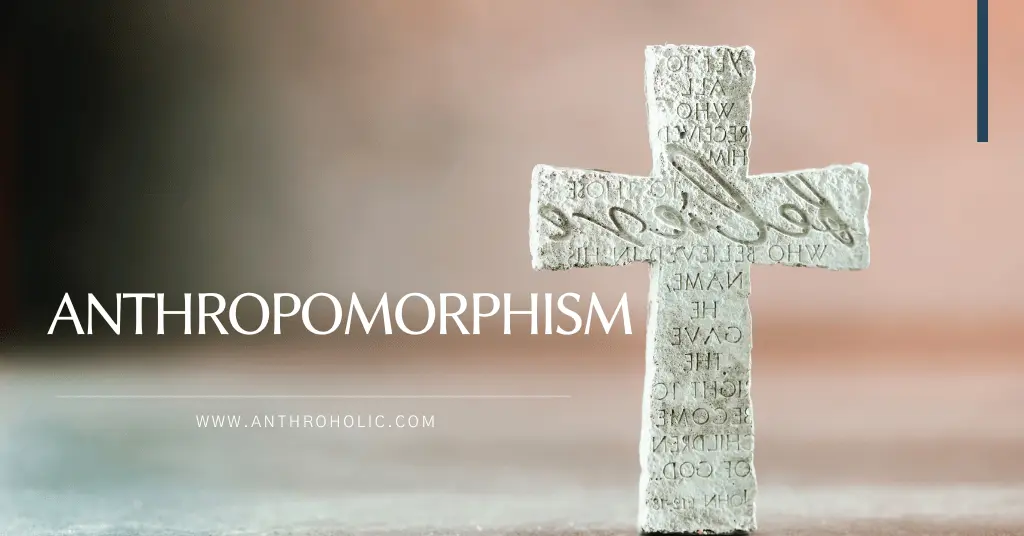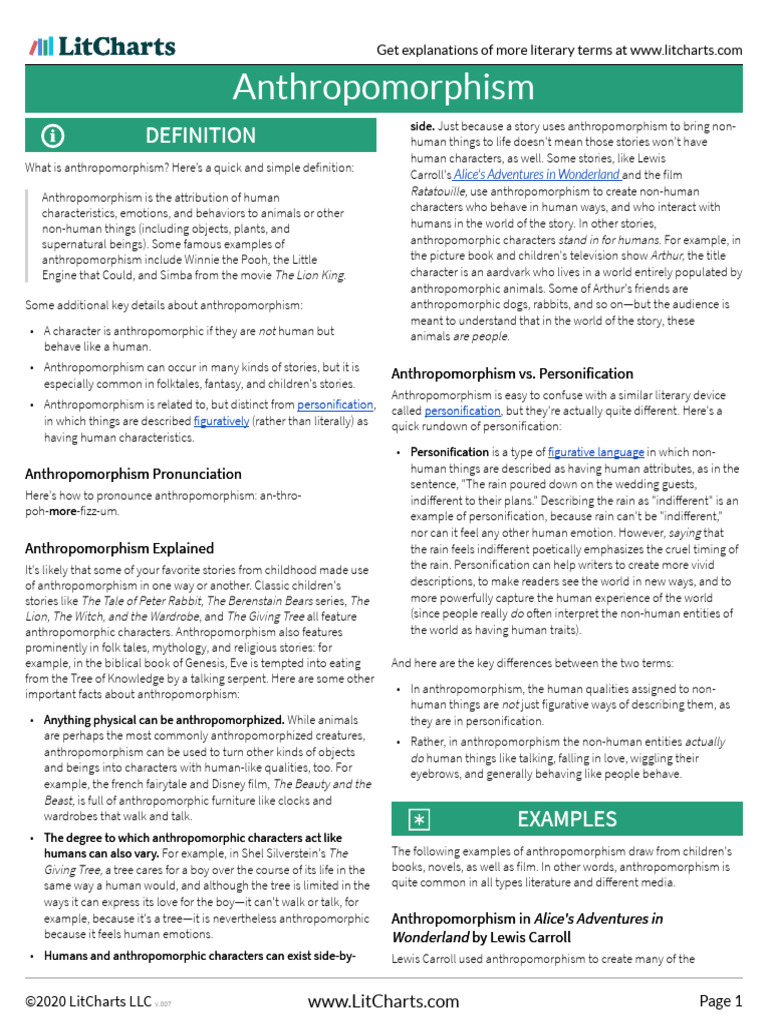
Imagine a world where the divine is not an abstract force, but a face you can recognize—a voice you can hear, a hand you can almost touch. This is the world of anthropomorphism, where gods, spirits, and cosmic entities are given human form, emotions, and motivations. It’s a cognitive bridge between the unfathomable and the familiar, a way for humanity to make sense of the sacred. But why do we clothe the infinite in human skin? And what does this practice reveal about our deepest beliefs, fears, and hopes?
The Human Need to Personify the Divine
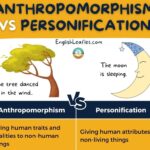
Anthropomorphism is not merely a quaint relic of ancient myth—it is a fundamental cognitive strategy. The human brain is wired to detect agency, to see intention where none may exist. From the rustling of leaves to the thunder in the sky, we instinctively attribute purpose to the world around us. When applied to the divine, this tendency transforms the cosmos into a stage of human drama. Gods become characters in a grand narrative, their wrath as palpable as a storm, their mercy as soothing as a parent’s embrace.
This personification serves a deeper psychological function. It makes the ineffable tangible. A storm god is easier to pray to than an impersonal force of nature. A mother goddess is more comforting than an abstract concept of fertility. By endowing the divine with human traits, we create a language to articulate our relationship with the sacred—one that feels intimate, reciprocal, and alive.
Anthropomorphism Across Ancient Religions
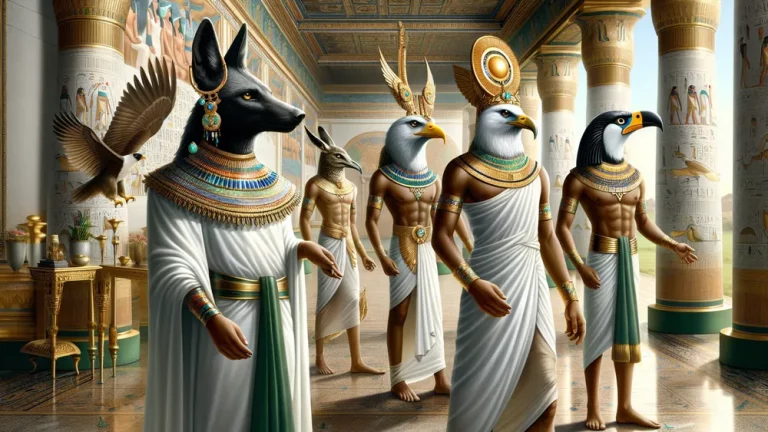
The practice of shaping gods in humanity’s image is as old as religion itself. In ancient Egypt, the gods were not distant figures but living embodiments of cosmic order. Ra, the sun god, sailed across the sky in his solar barque, his daily journey mirrored in the movement of the sun. His struggles against the chaos serpent Apophis reflected the eternal battle between light and darkness—a drama that resonated with human struggles.
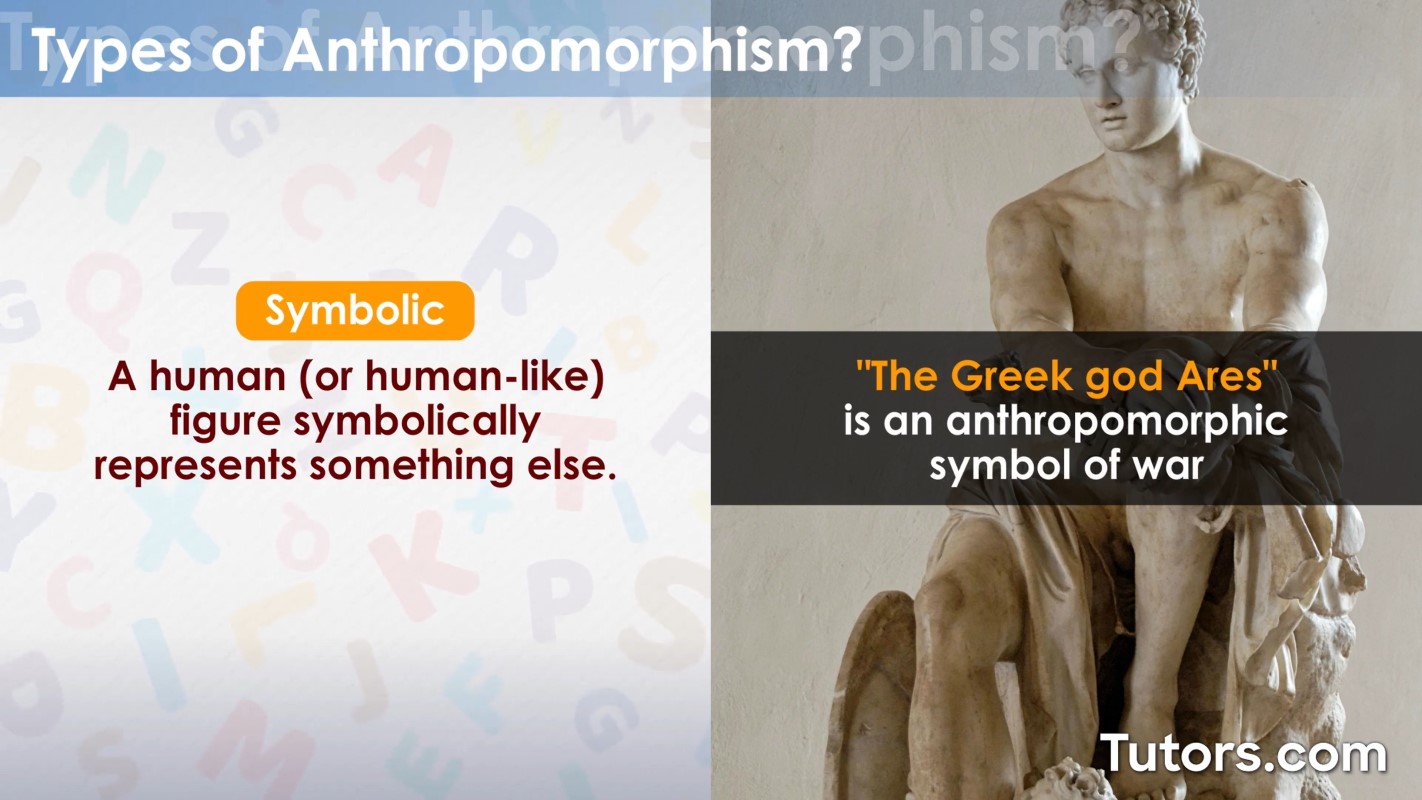
Similarly, in Greek mythology, the pantheon was a divine family, complete with rivalries, love affairs, and petty jealousies. Zeus, the king of gods, was not an abstract principle of justice but a flawed, powerful figure who wielded lightning bolts like a king wields a scepter. His humanity made him relatable, even as his divinity set him apart. This blend of the familiar and the transcendent allowed worshippers to engage with the divine on a deeply personal level.
Even in monotheistic traditions, anthropomorphism crept in. The God of the Hebrew Bible is described as walking in the garden of Eden, feeling regret for creating humanity, and even wrestling with Jacob. These vivid, human-like depictions served to bridge the chasm between the infinite and the finite, making the divine accessible to mortal minds.
The Psychological and Emotional Appeal
Anthropomorphism is not just a historical curiosity—it is a living psychological phenomenon. Studies in cognitive science suggest that our brains are predisposed to see human-like patterns in everything, a phenomenon known as “hyperactive agency detection.” This evolutionary quirk may have helped early humans survive by assuming that rustling bushes hid predators rather than mere wind. When applied to religion, this tendency transforms abstract concepts into relatable figures, making belief more emotionally resonant.
Consider the comfort of a loving deity. A god who listens, who cares, who intervenes in human affairs—this is a far cry from an impersonal force of nature. Anthropomorphism allows worshippers to experience the divine as a parent, a friend, or a protector. It turns prayer from a one-sided monologue into a dialogue, where the sacred responds in ways that feel personal and meaningful.
Yet this emotional appeal comes with a cost. When gods are too human, they risk becoming petty, vindictive, or limited by human flaws. A god who is jealous, angry, or capricious may inspire fear rather than devotion. This tension—between the divine and the human—lies at the heart of many religious debates, from the iconoclasm of ancient Judaism to the philosophical critiques of medieval theologians.
Anthropomorphism in Sacred Texts and Art
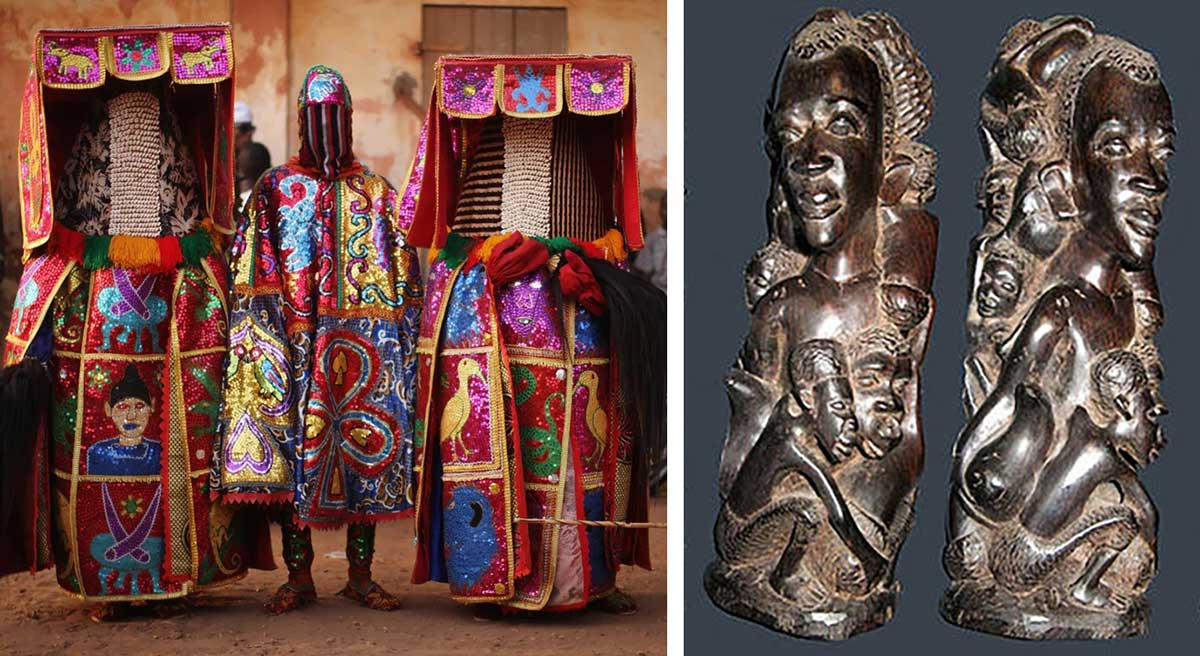
Sacred texts are replete with anthropomorphic imagery, from the “hand of God” in the Bible to the serene, smiling faces of Hindu deities. These depictions are not mere artistic flourishes—they are theological statements. They teach worshippers that the divine is not only transcendent but also immanent, present in the world in ways they can understand.
In Hindu art, for example, the gods are often depicted with multiple arms, symbolizing their infinite power and compassion. Yet their faces are serene, almost human, inviting devotion and connection. In Christian iconography, the suffering Christ on the cross is a stark reminder of God’s willingness to enter into human pain—a radical act of anthropomorphism that redefined the relationship between the divine and the mortal.
Even in abstract traditions like Buddhism, anthropomorphic elements persist. The Buddha is often depicted with human-like features, and bodhisattvas are portrayed as compassionate beings who delay their own enlightenment to help others. These images serve as visual meditations, guiding practitioners toward a deeper understanding of enlightenment.
The Controversies and Limits of Anthropomorphism
Despite its ubiquity, anthropomorphism has always been a source of controversy. Philosophers like Maimonides warned against taking biblical descriptions of God’s “hand” or “face” literally, arguing that such imagery was merely a concession to human limitations. For Maimonides, God was beyond all human attributes—transcendent, unchanging, and utterly other.
This tension between immanence and transcendence has fueled religious debates for centuries. Some traditions embrace anthropomorphism wholeheartedly, while others reject it as a distortion of the divine. Even within a single tradition, interpretations can vary wildly. The God of the Old Testament is both a wrathful judge and a tender father; the gods of Hinduism are both playful tricksters and serene sages.
Yet the limits of anthropomorphism are not just theological—they are existential. When gods are too human, they risk becoming mere projections of our desires and fears. A god who is too vengeful may reflect our own anger; a god who is too loving may mirror our longing for acceptance. This raises a critical question: Do we create gods in our image, or do they shape us in theirs?
The Modern Relevance of Anthropomorphism
In an age of science and secularism, anthropomorphism persists—often in unexpected places. From the “angry sky” that brings storms to the “wise old universe” that guides cosmic evolution, we continue to personify the forces that shape our world. Even in technology, we anthropomorphize our devices, giving them names, voices, and personalities. This suggests that the impulse to see the world through a human lens is not merely a relic of primitive belief but a fundamental aspect of human cognition.
Religion today still grapples with the implications of anthropomorphism. Some modern theologians argue that it is a necessary tool for understanding the divine, while others see it as a barrier to true spiritual growth. Yet one thing is clear: the human need to personify the sacred is not going away. Whether through prayer, art, or personal devotion, we continue to clothe the infinite in human form, finding in it both solace and meaning.
Conclusion: The Divine in Human Clothing
Anthropomorphism is more than a literary device or a theological shortcut—it is a mirror held up to the human soul. It reveals our deepest longings, our fears, and our need for connection. By giving the divine human form, we do not diminish the sacred; we make it accessible, relatable, and alive. In the end, the gods with faces are not just a product of ancient imagination—they are a testament to the human capacity to find meaning in the mystery of existence.