Anthropomorphism, the attribution of human traits, emotions, or intentions to non-human entities, is a fascinating concept that extends beyond literature and art into varied fields including psychology, culture, and even science. One particularly intriguing application of anthropomorphism lies in landmark studies, which explore how human-like characteristics influence our perception and interaction with the world. As we delve into this topic, it becomes evident that different forms of content can enrich our understanding. The exploration may include academic research, artistic representations, historical analyses, and contemporary media, each offering its unique lens on the intersection of human behavior and non-human subjects.
One of the most illuminating aspects of anthropomorphism in landmark studies is the examination of scientific research. Psychologists have delved into how humans imbue objects, including buildings and natural formations, with human-like attributes. For instance, studies reveal that people often project emotions onto places they dwell in or frequently visit. A bustling cityscape might be considered ‘alive’ with energy, while a solitary mountain could evoke feelings of melancholy. Researchers have employed methodologies such as surveys and behavioral experiments to ascertain how these projections affect mood, creativity, and social interactions, providing insights into the cognitive frameworks that guide our perceptions.
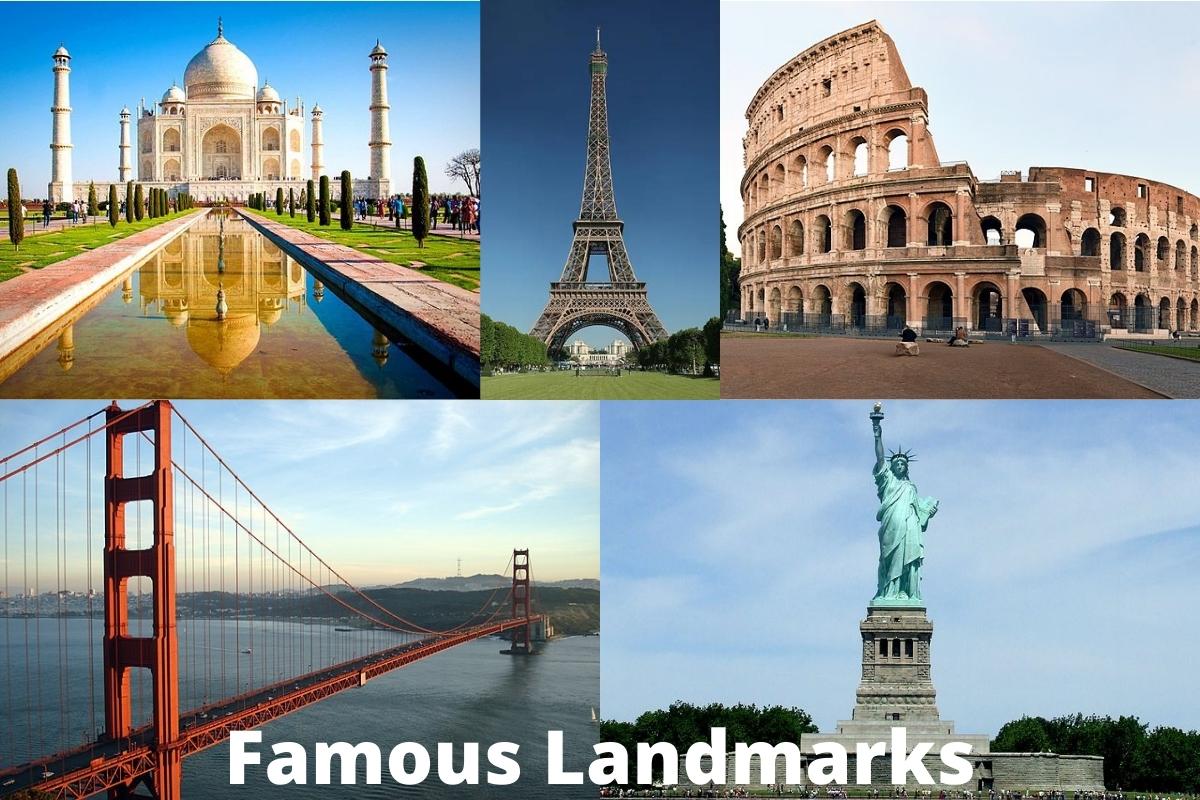
Moving beyond empirical studies, anthropomorphism finds a rich vein of expression in artistic interpretations. Musicians, painters, and writers have long anthropomorphized architectural landmarks to convey emotions or cultural narratives. Take, for example, the way artists might depict the Eiffel Tower not simply as an iconic structure but as a symbol of love and longing. This personification can invoke a profound resonance in audiences, transforming mundane silhouettes into characters that tell intricate stories. Poetry, too, often blends the human condition with the inanimate, as poets ascribe feelings of nostalgia or defiance to landscapes and edifices, thus bridging the gap between the tangible and the sentimental.
Historical analyses further enrich our understanding of anthropomorphism by examining how societies have historically viewed and conceptualized landmarks. The Great Wall of China, for instance, is not merely a physical structure but is often described as a protective guardian, embodying the resilience and spirit of the Chinese people. Such depictions weave a complex narrative around these landmarks, suggesting that their meanings evolve in tandem with cultural shifts and collective memories. The exploration of historical texts, architectural documentation, and folklore reveals a tapestry of interpretations, emphasizing how landmarks have been anthropomorphized in the context of war, peace, and identity.
Contemporary media, particularly in digital formats, also serves as a canvas for anthropomorphic representations of landmarks. Social media platforms are replete with images and narratives that breathe life into static edifices. Travel bloggers often describe their journeys with landmarks as if they are companions, sharing personal experiences along the way. Such storytelling not only fosters a connection with the audience but also reshapes the identity of the landmark itself. Social media has become a modern-day agora, where people exchange tales that render these structures dynamic, capable of embodying hopes, dreams, and even controversies.
Moreover, the marketing and branding of landmarks can also be scrutinized through the lens of anthropomorphism. Cities such as New York or Paris have meticulously crafted their identities, often surrounding iconic landmarks with narratives that evoke human-like traits. The Statue of Liberty, for instance, is not just a monument; she is portrayed as a mother figure, symbolizing welcome and hope for immigrants. Such branding strategies anthropomorphize cities, inviting people to form emotional connections with places, as if they were engaging with a personality rather than a mere location.
Another fascinating facet is the role of technology in the realm of anthropomorphism concerning landmarks. With the rise of augmented reality (AR) and virtual reality (VR), digital recreations of landmarks offer immersive experiences that invite users to interact with these structures in unprecedented ways. These technological advancements allow people to envision landmarks as responsive entities, capable of commiserating with users on their journeys or celebrating their triumphs. Such engagements can foster a sense of companionship, as users traverse historic sites and modern marvels alike.
However, this anthropomorphism is not without its critiques. Some scholars argue that overly humanizing landmarks may distract from their inherent characteristics and significance. While it’s compelling to view an ancient temple as a wise elder, one must remember to appreciate it for its architectural brilliance and historical context. The seduction of anthropomorphism can lead to a distorted understanding, where the layers of history and culture can be overshadowed by emotive connections. Thus, striking a balance between human traits and inherent qualities is essential for a holistic appreciation.
In conclusion, the exploration of anthropomorphism in landmark studies unveils a multidimensional understanding of how we interact with spaces and objects in our environment. From the scientific realm, expressing intricate human emotions, to the artistic endeavors that breathe creativity into structures, this phenomenon transcends simplistic interpretations. Historical accounts and contemporary media further enrich this landscape, providing a robust framework for examining the intricate dance between humanity and the monumental elements that populate our world. As we navigate these narratives, we find not only the allure of anthropomorphism but also an invitation to reflect on our own human experiences in dialogue with the landmarks that shape our lives.