Have you ever caught yourself chatting with your pet, attributing human emotions to their actions, or imagining their thoughts as if they were whispered in your own language? If so, you’ve participated in anthropomorphism—the act of imbuing non-human entities with human traits. While this tendency to see ourselves in animals can feel harmless, even endearing, its influence on animal welfare is far from trivial. From shaping public perception to guiding policy decisions, anthropomorphism weaves a complex web that can both elevate and undermine the well-being of our non-human kin.
The Dual Lens: How Anthropomorphism Colors Our Perception of Animals
Anthropomorphism acts like a pair of tinted glasses, filtering how we interpret animal behavior. When a dog tilts its head during conversation, we might assume it’s pondering our words. When a cat kneads a blanket, we interpret it as a sign of contentment. These projections, while often positive, can distort reality. Studies show that anthropomorphic interpretations frequently lead to misjudgments about an animal’s actual emotional state. A parrot screeching at dawn may not be joyful—it could be stressed or territorial. Yet, we assign human joy to the sound, reinforcing a narrative that overlooks the animal’s true needs.
This perceptual distortion extends beyond individual pets. In zoos and sanctuaries, anthropomorphism can shape visitor engagement. A lion pacing its enclosure might be viewed as restless or bored, mirroring human dissatisfaction. While empathy is valuable, such interpretations can oversimplify complex biological drives. The pacing lion may be exhibiting natural hunting instincts, not existential despair. The challenge lies in balancing emotional connection with scientific accuracy—can we truly know what an animal feels, or are we merely projecting our own emotional landscapes onto theirs?
From Empathy to Exploitation: The Dark Side of Humanizing Animals
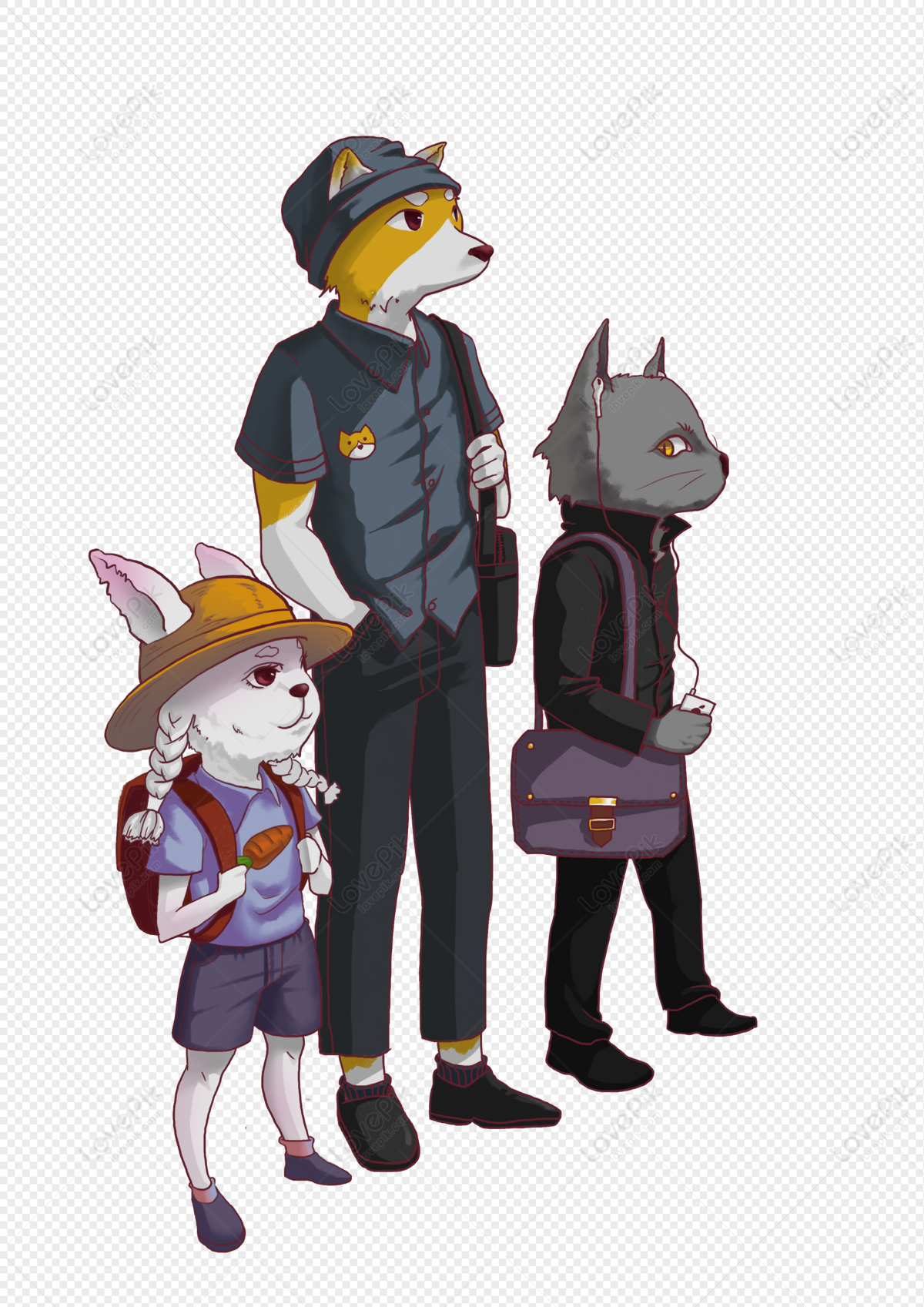
Anthropomorphism doesn’t just influence perception—it can fuel exploitation. When animals are dressed in clothing or forced to perform human-like behaviors for entertainment, the line between empathy and commodification blurs. Consider the viral videos of pigs wearing tutus or dogs in tiny hats. While these images may evoke laughter or affection, they often stem from a desire to see animals conform to human aesthetics. The animals themselves may experience stress, discomfort, or even physical harm in the pursuit of anthropomorphic amusement.
This phenomenon isn’t limited to pets or entertainment. In agriculture, anthropomorphic marketing—such as labeling pigs as “happy” or cows as “content”—can mislead consumers about the ethical realities of food production. A “free-range” label might conjure images of chickens basking in sunlight, yet the reality could involve crowded conditions and minimal outdoor access. The challenge is stark: when we humanize animals for profit, we risk prioritizing narrative over welfare, obscuring the harsh truths behind their treatment.
The Science of Sentience: Can Anthropomorphism Bridge the Gap?
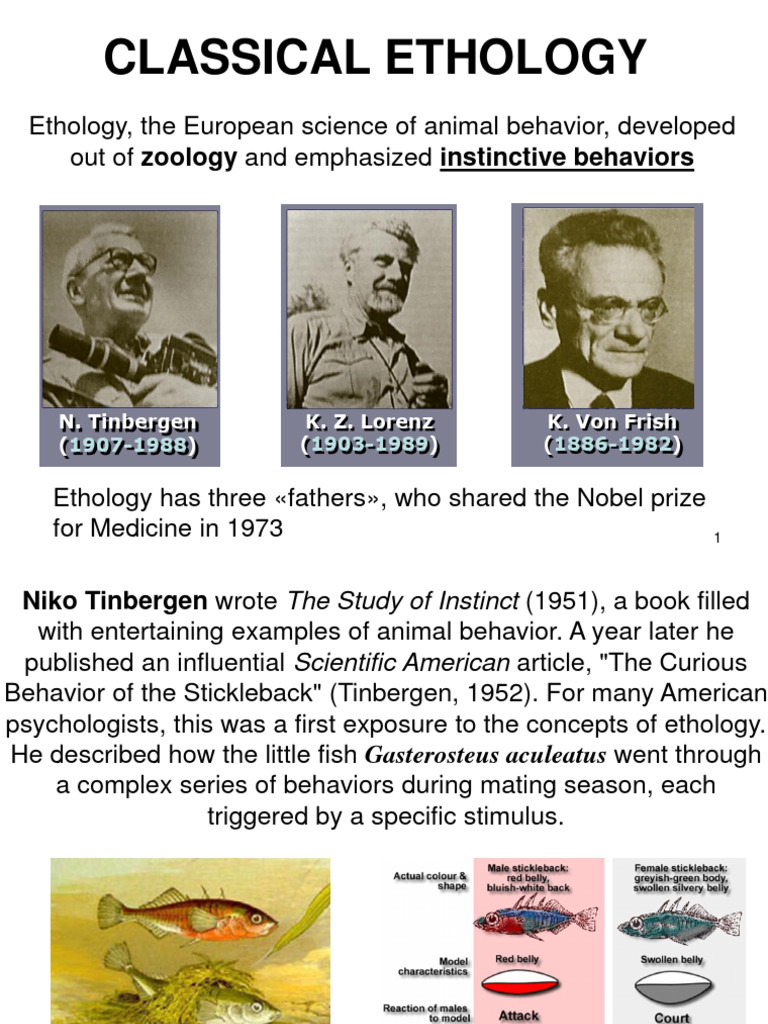
Despite its pitfalls, anthropomorphism isn’t inherently harmful—it can be a bridge to understanding animal sentience. Research in cognitive ethology reveals that many animals exhibit emotions, problem-solving skills, and social bonds akin to humans. Elephants mourn their dead. Crows use tools. Dolphins recognize themselves in mirrors. These discoveries challenge the notion that animals are mere automatons, devoid of inner lives. Anthropomorphism, when tempered by science, can amplify our empathy and drive advocacy for better welfare standards.
Yet, the challenge remains: how do we distinguish between genuine empathy and projection? Neuroscientists argue that anthropomorphism can activate the same brain regions associated with human empathy, suggesting a neurological basis for our tendency to connect with animals. However, this connection can also lead to anthropocentric bias—the assumption that animals experience the world as we do. A dog’s wagging tail might signify happiness to us, but it could also indicate stress or arousal. The key is to use anthropomorphism as a starting point, not an endpoint, for understanding animal welfare.
Policy and Practice: The Anthropomorphic Divide in Animal Welfare Legislation
Anthropomorphism’s influence extends to the highest levels of policy-making. Laws governing animal welfare often reflect human values more than animal needs. For example, the European Union’s ban on battery cages for hens was partly driven by public outrage over the perceived cruelty of confining animals in cramped, industrialized spaces. While the ban aimed to improve welfare, it also reflected anthropomorphic assumptions about hens’ desire for “freedom” and “comfort.” Yet, research suggests that hens may prioritize safety and social hierarchy over spacious living conditions.
This anthropomorphic divide creates a paradox: well-intentioned laws may not always align with scientific evidence. In the United States, the Animal Welfare Act regulates the treatment of animals in research, exhibition, and commerce. Yet, the act’s definitions of “humane care” are often vague, leaving room for interpretation. Critics argue that anthropomorphic standards—such as requiring animals to have “enrichment” that mimics human activities—can lead to impractical or even harmful outcomes. The challenge for policymakers is to craft legislation that balances human values with empirical data, ensuring that welfare standards are both compassionate and scientifically sound.
Ethical Dilemmas: The Anthropomorphic Trap in Conservation
In conservation, anthropomorphism can be a double-edged sword. Charismatic species like pandas or elephants often receive disproportionate attention and funding, while less “relatable” animals—such as insects or reptiles—are overlooked. This bias, known as the “flagship species” effect, can skew conservation priorities. A project to save a beloved primate might secure millions in donations, while efforts to protect a lesser-known amphibian struggle for resources. The challenge is ethical: can we justify prioritizing animals based on their human-like appeal, or does this perpetuate injustice in conservation?

Anthropomorphism also plays a role in rewilding and reintroduction programs. When wolves were reintroduced to Yellowstone National Park, their human-like social structures—pack dynamics, familial bonds—were central to public narratives. While these stories fostered support for the project, they also risked oversimplifying the ecological complexities of predator-prey relationships. The challenge for conservationists is to harness the power of anthropomorphism without losing sight of the broader ecological web.
Cultivating Conscious Anthropomorphism: A Path Forward
So, how can we navigate the complexities of anthropomorphism to better serve animal welfare? The answer lies in conscious anthropomorphism—a practice that acknowledges our tendency to humanize while actively seeking to understand animals on their own terms. This approach involves combining empathy with rigorous science, using anthropomorphism as a tool for advocacy rather than a substitute for understanding.
Education plays a crucial role in this process. By teaching people about animal cognition, behavior, and physiology, we can foster a more nuanced appreciation of non-human life. Programs like “Animal Welfare Science” in veterinary schools or citizen science initiatives like iNaturalist encourage participants to observe animals without imposing human narratives. The challenge is to make this knowledge accessible, ensuring that empathy is grounded in reality.
Ultimately, the goal is not to eliminate anthropomorphism but to refine it. By recognizing its influence, we can use it to advocate for better welfare standards, challenge exploitation, and celebrate the rich inner lives of animals. The question isn’t whether we should humanize animals—it’s how we can do so responsibly, ensuring that our empathy translates into meaningful change.