In the enchanted realm where childhood imagination takes flight, toys are not merely inanimate objects—they are silent storytellers, empathetic companions, and vessels of wonder. Anthropomorphism in toy design transforms the ordinary into the extraordinary, infusing lifeless plastic, wood, or fabric with personality, emotion, and purpose. When a stuffed bear grins knowingly or a wooden train “chugs” with purpose, it transcends its material existence to become a partner in play. This deliberate infusion of human-like qualities into toys doesn’t just entertain; it nurtures empathy, fuels creativity, and bridges the gap between reality and fantasy. The magic of anthropomorphism lies in its ability to make the abstract tangible, turning a child’s inner world into a playground where every object has a voice, a face, and a story.
The Alchemy of Form and Feeling: How Anthropomorphism Breathes Life into Toys
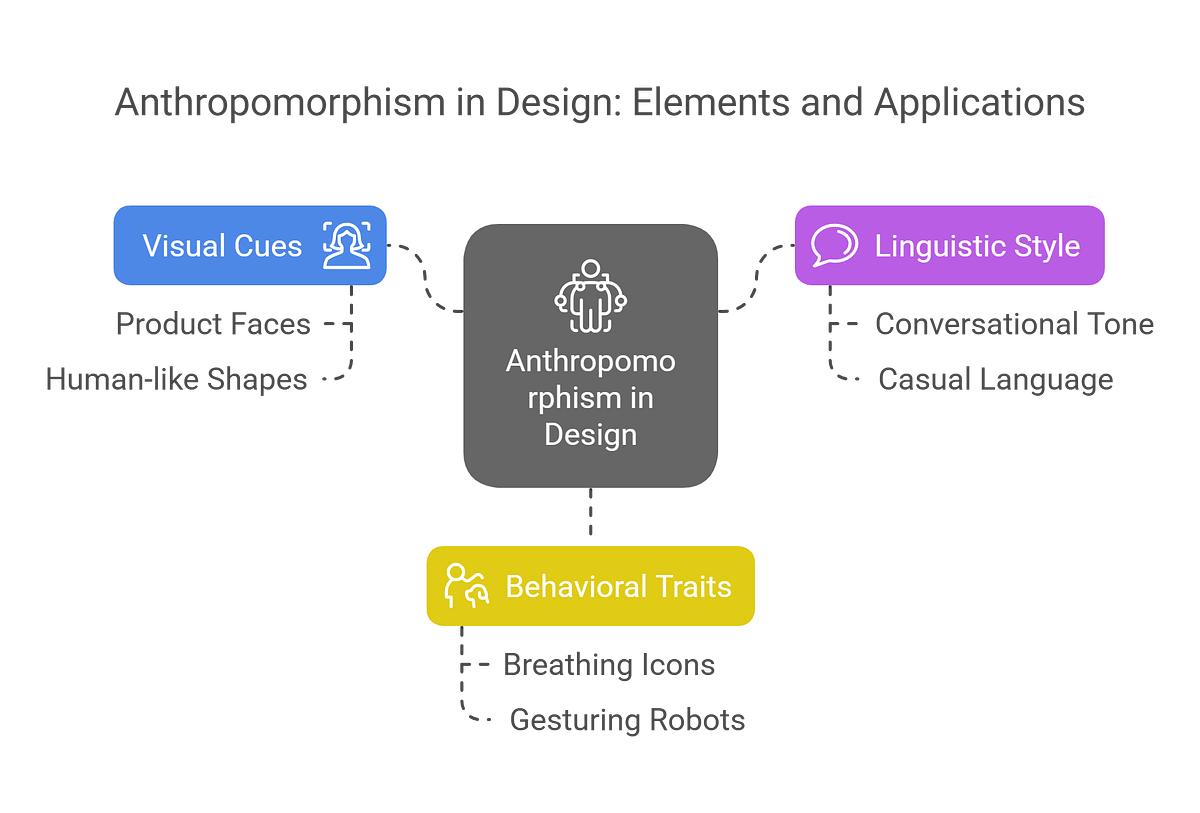
Anthropomorphism is more than a design choice—it is an alchemical process, where shape, color, and expression converge to evoke emotion. Consider the subtle curve of a doll’s eyelashes or the exaggerated grin of a plush dinosaur. These visual cues are not accidental; they are carefully crafted to trigger recognition and connection. The human brain is wired to detect faces and emotions, a phenomenon known as pareidolia. When a toy mimics these features, it activates the same neural pathways that respond to real human interaction. This phenomenon explains why a child might confide in a stuffed animal or why a toddler insists a toy truck is “tired” after play. The designer’s challenge is to harness this instinctual response, creating objects that feel alive without losing their playful essence. The result is a silent dialogue between child and toy, where every tilt of the head or arched eyebrow becomes a conversation.
Moreover, anthropomorphism extends beyond physical resemblance. It encompasses behavior—how a toy moves, reacts, or “speaks.” A pull-string doll that giggles when activated doesn’t just mimic laughter; it invites participation. The child becomes the puppeteer, the storyteller, and the audience all at once. This dynamic interplay transforms passive play into an immersive narrative experience, where the toy’s actions inspire the child’s imagination to soar. The genius of this approach lies in its subtlety; the toy doesn’t demand attention—it earns it through its lifelike charm.
Empathy in Plastic and Wood: The Psychological Benefits of Living Toys
Toys that embody human traits do more than amuse—they cultivate emotional intelligence. When a child nurtures a doll, they practice caregiving, learning patience and responsibility. When they scold a toy robot for “misbehaving,” they explore concepts of right and wrong. These interactions, though seemingly trivial, are foundational to social development. Studies in developmental psychology suggest that children who engage with anthropomorphic toys exhibit higher levels of empathy and emotional regulation. The toy becomes a mirror, reflecting the child’s own emotions back at them, allowing for safe exploration of complex feelings like frustration, joy, or fear. In this way, playtime becomes more than recreation; it is a laboratory for emotional growth.
Anthropomorphism also fosters inclusivity. Toys that reflect diverse cultures, abilities, or personalities provide children with relatable figures, reducing feelings of isolation. A wheelchair-accessible doll or a toy with a prosthetic limb normalizes differences, teaching acceptance from an early age. The message is clear: everyone belongs in the world of play. This inclusivity is not just socially responsible—it is creatively liberating, allowing every child to see themselves as the hero of their own story.
The Silent Language of Expression: Facial Features and Body Language in Toy Design
Facial expressions are the lexicon of anthropomorphism. A raised eyebrow, a downturned mouth, or wide, sparkling eyes can convey a spectrum of emotions without a single word. Toy designers leverage this silent language to create characters that resonate deeply with children. For instance, a plush bunny with a perpetually curious tilt to its head invites exploration, while a dinosaur with a furrowed brow might represent determination or challenge. These micro-expressions are not just aesthetic choices; they are narrative tools, guiding the child’s emotional journey through play. The subtlety of these details ensures that the toy remains versatile—able to adapt to countless scenarios in the child’s imagination.
Body language extends this emotional vocabulary. The way a toy’s limbs are articulated can suggest movement, energy, or even personality. A stiff, upright action figure might convey authority, while a floppy, bendable rag doll suggests vulnerability. Designers often use exaggerated proportions to enhance expressiveness—oversized eyes for innocence, rounded cheeks for warmth, or elongated limbs for grace. These choices are not arbitrary; they are rooted in the principles of visual storytelling, where form and function merge to create an unforgettable character. The result is a toy that feels not just seen, but understood.
From Static to Dynamic: The Role of Movement and Sound in Animate Play
Movement breathes life into anthropomorphic toys, transforming them from static objects into dynamic participants in play. Wind-up toys that waddle, pull-back cars that zoom, and robotic figures that dance—each movement tells a story. The mechanics behind these actions are carefully engineered to feel intuitive, almost magical. A child’s delight in watching a toy “walk” on its own is a testament to the power of motion to captivate. Even the sound of a toy can enhance its anthropomorphic appeal. The jingle of a bell in a toy horse’s harness or the synthetic giggle of a doll adds another layer of realism, making the toy feel like a living, breathing entity.
Advancements in technology have further blurred the line between toy and companion. Interactive toys equipped with sensors or AI can respond to touch, voice, or even facial expressions. These “smart” toys don’t just mimic life—they simulate it, creating a feedback loop where the child and toy engage in a genuine exchange. While some critics argue that such toys may hinder imaginative play, proponents highlight their potential to deepen emotional connections. A child who teaches a robotic pet to “sit” or “fetch” is not just learning commands; they are practicing patience, problem-solving, and empathy. The toy becomes a collaborator, not just a prop.
Cultural Echoes: Anthropomorphism Across the Globe and Through Time
The tradition of imbuing objects with human traits spans cultures and centuries. In Japan, *kokeshi* dolls, with their simple, rounded faces and minimalist features, evoke warmth and nostalgia. In Africa, *akua’ba* fertility dolls are carved with exaggerated heads and serene expressions, symbolizing hope and protection. European folklore is rich with enchanted toys—from the Nutcracker’s wooden soldiers to Pinocchio’s journey from puppet to boy. Each culture’s approach to anthropomorphism reflects its values, fears, and aspirations. For example, Western toys often emphasize individuality and heroism, while Eastern designs may prioritize harmony and community. This diversity enriches the global tapestry of play, offering children a multitude of narratives to explore.
Historically, anthropomorphic toys have also served as tools for education and moral instruction. Aesop’s fables, retold through animal characters, taught lessons about greed, kindness, and perseverance. Victorian-era dolls with movable limbs were not just playthings; they were instruments for teaching domestic skills. Even today, toys like *Barbie* or *Lego* characters often embody specific roles or careers, subtly shaping children’s perceptions of the world. The enduring appeal of anthropomorphism lies in its universality—it is a language that transcends borders, languages, and generations.
The Future of Play: Ethical Considerations and Emerging Trends
As technology advances, the line between toy and companion continues to blur. Ethical questions arise: Should toys be designed to mimic human emotions so convincingly that children struggle to distinguish fantasy from reality? How do we ensure that anthropomorphic toys do not reinforce stereotypes or unrealistic expectations? Designers and psychologists are increasingly collaborating to address these concerns, advocating for toys that empower rather than manipulate. For instance, some modern dolls are designed with neutral expressions, allowing children to project their own emotions onto them. Others incorporate diverse body types and abilities, challenging traditional norms.
Emerging trends in toy design also reflect a growing emphasis on sustainability and mindfulness. Eco-friendly materials are being paired with anthropomorphic features to create toys that are both emotionally resonant and environmentally conscious. Biodegradable plush toys with plant-based dyes or wooden figures carved from reclaimed timber send a message: playtime can be kind to both the child and the planet. Additionally, the rise of open-ended toys—like modular building blocks or customizable action figures—encourages children to co-create their own narratives, further enhancing the magic of anthropomorphism.
Conclusion: The Enduring Magic of Living Toys
Anthropomorphism in toy design is a testament to humanity’s innate desire to connect, create, and dream. It transforms the mundane into the magical, turning a simple block of wood into a loyal friend or a piece of fabric into a confidant. The appeal of these toys lies not in their complexity, but in their ability to reflect the child’s own world back at them—flawed, joyful, and brimming with possibility. In a digital age where screens often dominate playtime, anthropomorphic toys offer a tactile, emotional counterbalance. They remind us that magic is not confined to fairy tales; it lives in the laughter of a child hugging a stuffed bear, the determination of a toddler coaxing a toy car up a ramp, or the quiet pride of a child who has just “taught” their doll a new word. These moments, though fleeting, are the building blocks of imagination—a force more powerful than any algorithm or gadget. The future of play is not just about what toys can do; it’s about what they can make us feel.