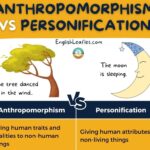
There is an almost instinctual inclination humans have to perceive life and personality in their surroundings. When gazing upon a sprawling landscape—whether a rugged mountain range, a winding river, or a solitary tree—many find themselves attributing human qualities to these natural elements. This phenomenon, known broadly as anthropomorphism, permeates landscape design, shaping our engagement and emotional response to the environment. The interplay between human imagination and natural forms crafts landscapes that do not simply exist but resonate with an animated essence, making nature palpably alive. This article delves into the nuanced role anthropomorphism plays in landscape design, while exploring its deeper psychological, cultural, and ecological implications.
The Psychological Impetus Behind Anthropomorphism in Nature
At its core, anthropomorphism arises from an innate psychological yearning to find familiarity and connection. The cognitive tendency to attribute human traits to non-human entities can be understood as an evolutionary adaptation—a mechanism for making sense of the environment. Applying this instinct to landscapes, people often project emotions, intentions, or moods onto natural elements that mirror their internal states. A gnarled tree trunk may be seen as an aged elder, stoic and wise, while a babbling brook could evoke the playful laughter of a child. This personification facilitates a form of empathetic engagement, allowing observers to bridge the gap between self and environment.
Landscapes imbued with anthropomorphic qualities thus transcend static existence and invite narrative interpretation. This active storytelling nurtures emotional investment, fostering a profound sense of place attachment. In this way, anthropomorphism becomes a conduit through which landscapes acquire meaning beyond their physical composition.
Historical and Cultural Foundations of Anthropomorphic Landscapes
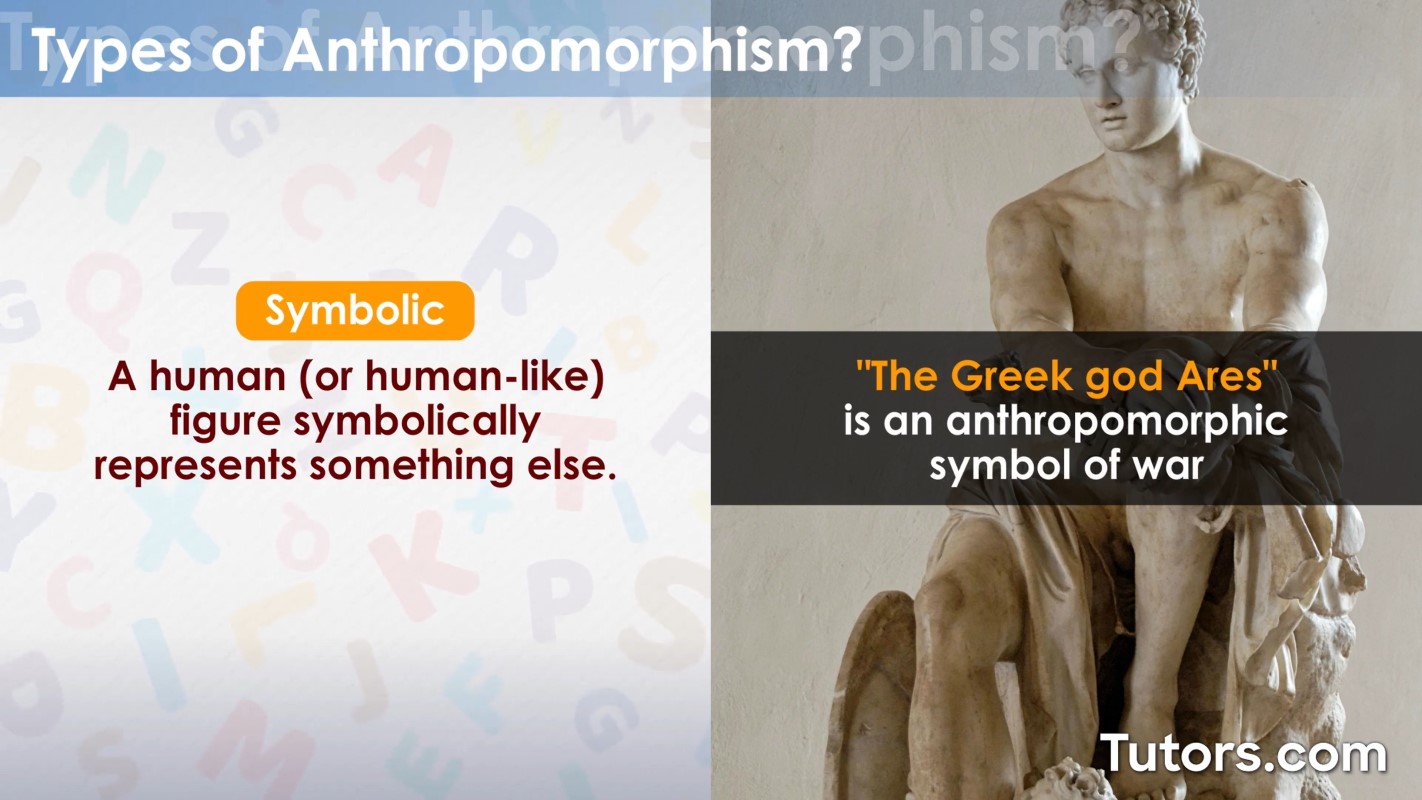
Human cultures across the globe have long embraced anthropomorphic interpretations of nature. Indigenous cosmologies often depict mountains as sleeping giants or ancestral spirits, while rivers might be envisioned as nurturing mothers. These personifications have functioned not merely as mythic embellishments but as frameworks for environmental ethics and stewardship. Through these cultural narratives, landscapes are understood as living entities with agency, commanding respect and reciprocal care.
The influence of anthropomorphism is vividly evident in classical garden design, where sculpted forms sometimes mimic human postures or faces, echoing a desire to animate the inorganic. Japanese garden traditions, too, utilize subtle shapes and arrangements that evoke creatures or human emotions, exemplifying a refined sensitivity to creating relational space. In Western Romanticism, landscapes were frequently described in poetic terms that conferred moods and human feelings upon them, reinforcing the conceptualization of nature as sentient and responsive.
Design Strategies: Crafting Lively Landscapes through Anthropomorphic Elements
Landscape designers intentionally employ techniques that elicit anthropomorphic perceptions, animating spatial narratives and enriching experiential layers. The deliberate use of curvilinear forms suggests bodily fluidity or gestures; a winding path may symbolize a meandering arm, beckoning visitors forward. Plant selection and arrangement can conjure facial patterns or mimetic shapes that subtly engage the observer’s imagination, transforming passive viewing into interactive interpretation.
Textures also play an instrumental role. Rough, contorted bark might suggest age or resilience, while delicate blossoms convey vulnerability or joy. Movement within the landscape—a canopy swaying in the breeze or water cascading over stones—adds temporal dynamism reminiscent of breathing or heartbeat rhythms. Such kinetic elements foster a perception of landscapes as entities capable of change and expression.
Furthermore, light and shadow are manipulated to highlight anthropomorphic features. The interplay of illumination can create ephemeral ‘faces’ or ‘figures’ within natural forms, reinforcing the illusion of a living presence. These design choices are often subtle but cumulatively profound, heightening the sensory and emotional resonance of place.
Anthropomorphism’s Role in Fostering Environmental Stewardship
Seeing landscapes as animate beings engenders empathy that extends beyond aesthetic appreciation—cultivating a deep ethical relationship with nature. When trees and hills are imbued with humanlike qualities, they transform from inert objects into stakeholders in a shared existence. This shift in perception can inspire more conscientious behaviors, encouraging protection, conservation, and sustainable interaction with the natural world.
Anthropomorphic landscapes have the potential to recalibrate human attitudes toward ecological crises. By framing environmental degradation in terms of harm to a sentient other, people may feel a more tangible moral imperative to act. This empathetic extension can be instrumental in augmenting public support for environmental policies and nurturing grassroots activism rooted in care and responsibility.
Challenges and Critiques of Anthropomorphic Approaches in Landscape Design
Despite its many virtues, anthropomorphism in landscape design is not without controversy. Critics caution that excessive human projection risks oversimplifying or misrepresenting the complexity of natural systems. Imbuing landscapes with human characteristics can obscure ecological realities, fostering sentimentalism rather than substantive engagement with environmental processes.
Moreover, anthropomorphism may inadvertently perpetuate anthropocentrism, limiting recognition of intrinsic non-human values. Viewing landscapes primarily through a human lens might marginalize other ways of knowing and relating to nature, such as Indigenous epistemologies that emphasize relationality without imposing overt human traits. Therefore, landscape design must balance spirited animation with scientific and cultural authenticity, ensuring that anthropomorphic interpretations enrich rather than diminish ecological understanding.
The Future of Anthropomorphism in Sustainable Landscape Design
As the discipline of landscape architecture evolves amid escalating ecological challenges, anthropomorphism stands poised to assume a nuanced role. By integrating empathetic design with ecological intelligence, future landscapes can embody vitality on multiple scales—emotional, cultural, and biophysical. This holistic animism fosters environments that speak to human sensibilities while honoring the autonomy of natural processes.
Technological advancements such as augmented reality and interactive installations offer new frontiers for enlivening landscapes through anthropomorphic narratives. These innovations can deepen public engagement, merging the tactile with the imaginative in ways previously unattainable. Through such integration, the aspiration remains the same: to make nature palpably alive, imbuing landscapes with presence and meaning, and nurturing a reciprocal bond between people and place.