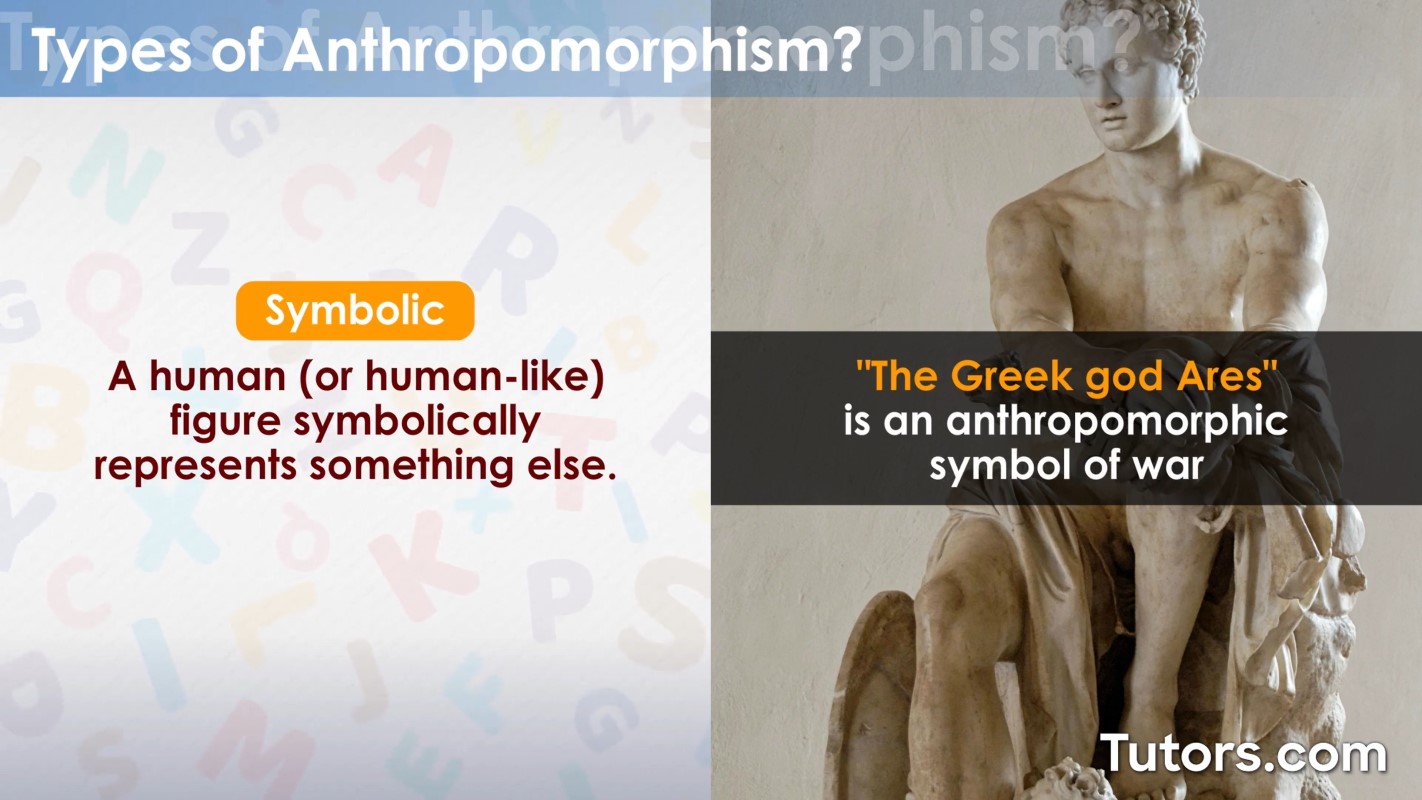
What if your next interaction with a customer service chatbot felt as warm and personable as a conversation with a trusted friend? Could a sprinkle of human-like qualities embedded into digital assistants truly transform the way customers perceive and engage with brands? Or might this anthropomorphic touch backfire, sowing confusion and mistrust? As businesses strive to humanize their customer service experiences, the concept of anthropomorphism—attributing human characteristics to non-human entities—emerges as both a promising strategy and a potential minefield.
The Allure of Anthropomorphism in Customer Service
At its core, anthropomorphism taps into a fundamental human tendency: the desire to connect emotionally, even with non-living entities. By designing customer service interfaces that exhibit human traits—be it empathy, humor, or distinct personality—brands aim to cultivate rapport, enhance engagement, and ultimately foster loyalty. When a virtual assistant apologizes sincerely for delays or cracks a timely joke, it transcends the sterile, transactional nature typical of many automated interactions.
This emotional resonance can mitigate customer frustration, a notorious challenge in service environments. The perception of a “caring” agent, even if artificial, often smooths friction points and diffuses tension. Consumers may feel understood and valued, which aligns with the psychological principles of social presence and relational communication. Consequently, businesses harness anthropomorphism not merely as cosmetic branding but as a tactical lever to enrich user experience and differentiate themselves in crowded markets.
The Mechanics of Anthropomorphism: How Human-Likeness is Engineered
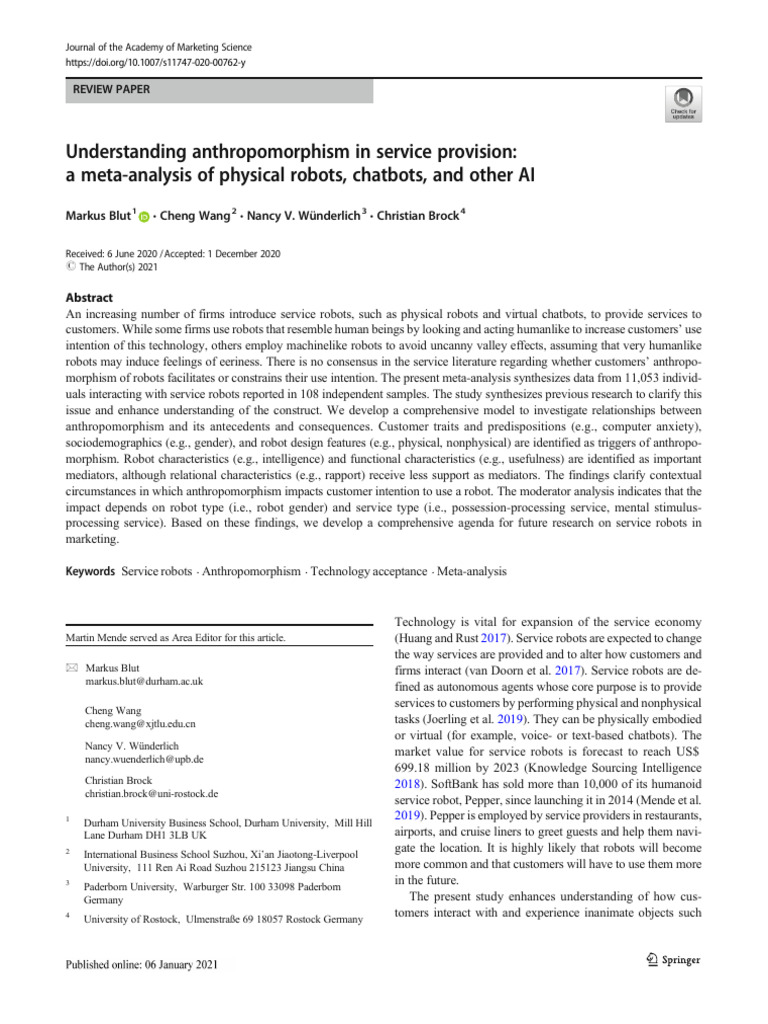
The implementation of anthropomorphism spans a spectrum. At the simplest level, it involves personifying digital assistants with names, voices, and avatars that mirror human gestures and expressions. At more sophisticated tiers, machine learning algorithms enable chatbots to interpret sentiment, deliver contextually appropriate responses, and even simulate empathy through tone modulation and phrasing.
Designers deploy linguistic nuances, humor, and culturally relevant idioms to craft relatable personas. Visual elements—animated avatars or emoticons expressing frustration, happiness, or curiosity—further simulate human interaction cues. The goal is to blur the line between man and machine sufficiently to evoke emotional responses without triggering uncanny valley effects, where near-human likenesses create discomfort.
However, the balance is delicate. Overhumanization risks inflating user expectations about a system’s capabilities. For example, when a chatbot promises understanding akin to a human agent but fails to resolve complex issues, customer disappointment intensifies. Thus, while anthropomorphism capitalizes on intuitive social heuristics, it demands rigorous alignment between persona and functional competence.
Does Anthropomorphism Actually Influence Customer Behavior?
Empirical evidence paints a nuanced picture. On the one hand, customers often report greater satisfaction and trust when interacting with anthropomorphic agents. These entities can stimulate feelings of companionship and patience, softening the impact of operational shortcomings. The perception of personality fosters loyalty and encourages repeated engagement, crucial metrics for customer retention.
On the other hand, the effect varies widely across demographics and contexts. Tech-savvy customers may perceive anthropomorphic embellishments as gimmicky or patronizing, undermining credibility. There is also a risk of novelty fatigue: once the charm wears off, customers might revert to a preference for efficiency and clarity over personality. The challenge lies in tailoring anthropomorphism to audience sensibilities and ensuring that it complements, rather than replaces, robust service functionality.
The Ethical Conundrum: Playing with Perception
Anthropomorphism in customer service raises intricate ethical questions. Is it manipulative to design systems that elicit emotional responses by portraying false empathy? When customers bond with digital personas, they might disclose sensitive personal information or develop dependencies that complicate the nature of human-machine boundaries.
Moreover, transparency becomes critical. Customers deserve to know when they are interacting with non-human agents. Concealing the artificial nature of a service representative risks eroding trust if discovered. Therefore, businesses must navigate the fine line between fostering warmth and maintaining honesty, ensuring customers remain empowered and informed.
Challenges in Scaling Anthropomorphic Customer Service
The scalability of anthropomorphism poses practical hurdles. Creating and maintaining lifelike, culturally sensitive personas is resource-intensive; linguistic subtleties and emotional intelligence require constant refinement. Multilingual markets amplify this complexity, demanding localized adaptations that resonate authentically across diverse user bases.
Furthermore, integrating anthropomorphic features with backend systems—such as issue tracking, knowledge bases, and escalation protocols—necessitates sophisticated engineering. Any disconnect can produce jarring experiences that shatter the illusion of seamless human-like interaction. As service environments evolve, continuous testing and iteration become imperative to preserve performance and credibility.
Future Trajectories: Will Anthropomorphism Become the Norm?
Looking ahead, advancements in artificial intelligence suggest that anthropomorphism will deepen in customer service ecosystems. Enhanced natural language understanding, emotional AI, and real-time contextual awareness promise more convincing and nuanced human emulation. Voice assistants that remember past conversations or virtual agents that adapt to moods could revolutionize engagement paradigms.
Nevertheless, the question remains: will customers truly embrace doing business with quasi-human entities, or will they crave increasingly transparent, efficient solutions devoid of anthropomorphic embellishments? The answer likely hinges on ongoing cultural shifts around technology, privacy, and expectations. Companies must remain vigilant, balancing innovation with prudence, to harness anthropomorphism effectively without alienating their audiences.
In the end, the playful question posed at the outset—does anthropomorphism work in customer service?—unfolds into a complex tableau of psychological allure, technological possibility, ethical reflection, and strategic execution. Rather than a panacea, it represents a potent tool, whose success depends profoundly on context, authenticity, and the subtleties of human perception.