The intricate relationship between human behavior and evolutionary theory often invites a fascinating discourse, particularly when examining how greed manifests at a fundamental biological level through Darwinism. At first glance, greed may appear to be a mere psychological trait or societal construct. However, when considered from a Darwinian perspective, it unveils a complex interplay of survival, reproduction, and genetic transmission that prompts us to rethink our understanding of human nature.
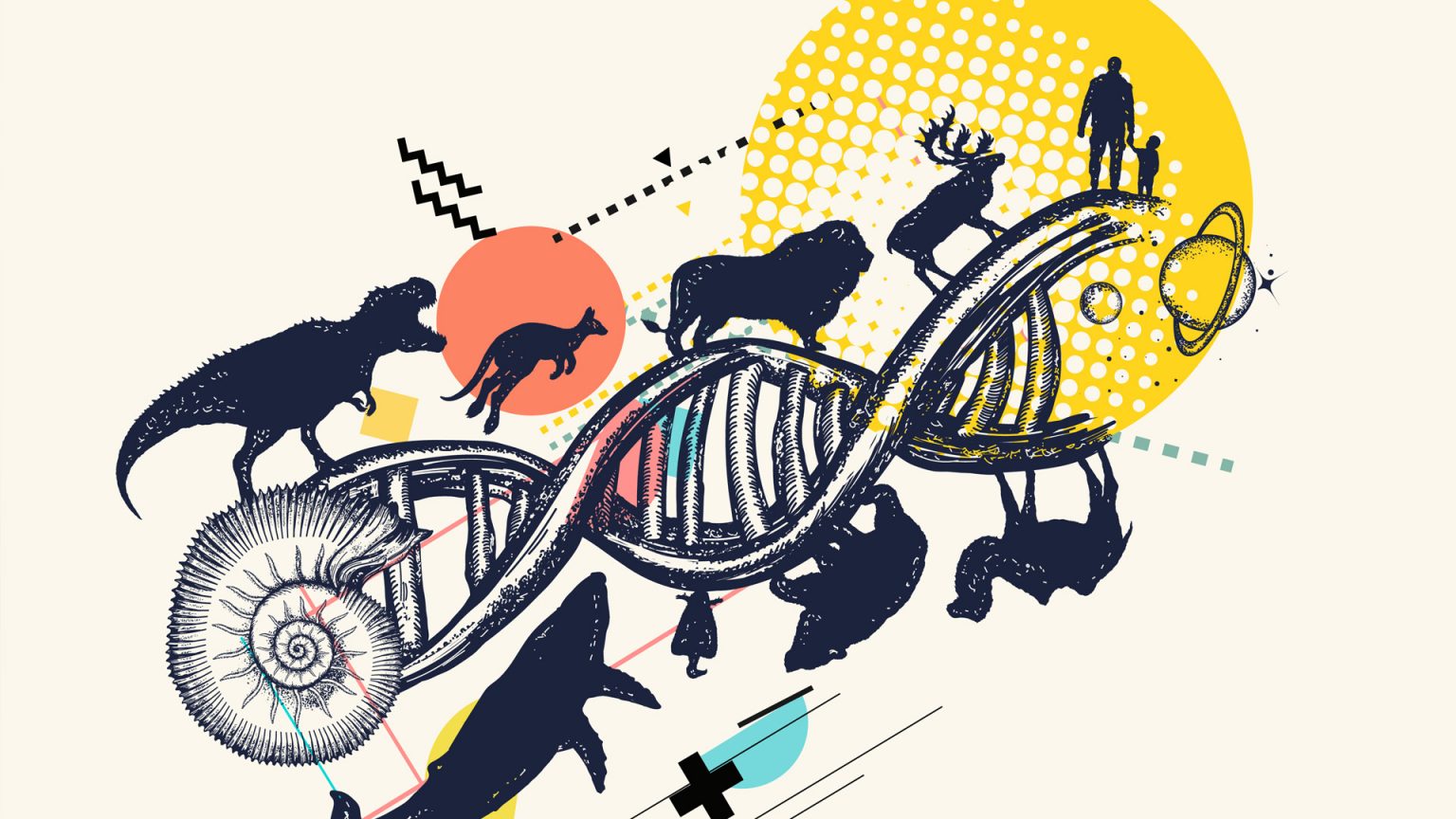
Darwinism, grounded in the principles of natural selection, posits that organisms evolve over time through mechanisms that favor the survival and reproductive success of individuals with advantageous traits. Greed, characterized by an insatiable desire for more—be it resources, wealth, or power—can be dissected through this evolutionary lens. To unpack this relationship comprehensively, we must explore several facets: the biological underpinnings of greed, its implications for social behavior, and its potential evolutionary advantages.
To begin, it is essential to comprehend the genetic basis of greed. At its core, greed can be associated with specific neurological pathways and biochemical processes that influence decision-making and risk assessment. Dopamine, often dubbed the “feel-good” neurotransmitter, plays a significant role in the reward system of the brain. Engaging in greedy behavior can trigger dopamine release, reinforcing the actions that yield immediate gratification. At the DNA level, variations in genes related to dopamine receptors may contribute to an individual’s predisposition to greedy behavior.
Moreover, research has indicated that genetic polymorphisms, such as those found in the COMT gene, can affect cognitive flexibility and impulse control. Individuals with certain variants may exhibit heightened impulsivity, making them more susceptible to the allure of immediate rewards over long-term benefits. This impulse-driven behavior can drive competition among peers, enhancing the potential for resource acquisition and ultimately favoring those who exhibit aggressive, self-serving traits.
The ramifications of greed extend far beyond individual behavior; they permeate social structures and influence group dynamics. In the animal kingdom, competition for resources often fosters aggressive behaviors that can lead to dominance hierarchies. Similarly, within human societies, greed can catalyze both innovative advancements and destructive conflicts. Greed motivates individuals to gather resources, which can lead to economic growth and development. However, unrestrained greed may catalyze unethical behavior and societal inequalities, prompting us to question the ethical implications of our evolutionary legacy.
Furthermore, the principles of kin selection and reciprocal altruism offer a counter-narrative to the notion that greed is merely a selfish trait. Kin selection, a cornerstone of evolutionary psychology, posits that individuals are more likely to behave altruistically toward relatives, as doing so increases the likelihood of shared genetic material being passed on to subsequent generations. In this light, acts of generosity within familial and close-knit groups can be viewed as a strategic approach to ensure the survival of one’s genes, which subtly integrates altruism with the Darwinian model.
While altruism may seem to stand in opposition to greed, it is essential to acknowledge that these traits can coexist within the intricate tapestry of human behavior. In certain contexts, behaviors driven by greed can inspire others to either mimic such strategies for personal gain or counteract them through cooperative behavior. The evolutionary dynamics that govern this interplay between greed and altruism reveal a nuanced relationship—one where both traits may serve complementary roles in the broader landscape of human evolution.
Moreover, the societal structures that arise from our interactions inevitably sculpt our understanding and manifestation of greed. The competitive nature inherent in many cultures can nurture a propensity for greed, as individuals learn to prioritize personal achievement over communal welfare. As societal norms evolve, so too do the expressions of greed, reflecting the ever-shifting landscape of human values and behaviors. The question arises: does this evolutionary inclination towards greed ultimately serve the species, or does it jeopardize the very fabric of societal cohesion?
As we probe deeper into the correlation between greed and Darwinism, it becomes apparent that these concepts are intricately woven into the narrative of human existence. Greed can invoke a primal response rooted in survival, aligning with Darwinian theories of fitness and adaptation. Nevertheless, the interplay of gratification and sacrifice necessitates a delicate balance that influences both individual and collective outcomes.
Looking ahead, it is crucial to consider the implications of understanding greed through an evolutionary lens. Awareness of the genetic underpinnings may facilitate a more profound comprehension of societal behaviors, advocating for models of leadership and governance that prioritize cooperation and empathy rather than competition and greed. The evolution of human behavior continues to unfold, encouraging a shift in perspective that cultivates curiosity about the intrinsic motivations driving our actions.
In conclusion, the correlation between greed and Darwinism is a multifaceted phenomenon warranting thorough exploration. By delving into the genetic, neurological, and social dimensions, we unveil a rich tapestry that illustrates the complexities of human behavior. Understanding this relationship not only piques our curiosity but also prompts introspection into how we define success, governance, and morality in a rapidly evolving society. As we navigate these ethical dilemmas, we are invited to ponder the transformational potential of harnessing our understanding of greed, paving the way for a more harmonious coexistence.