In the vast cosmos of speculative fiction, the concept of anthropomorphic animals—creatures that embody both animalistic traits and human characteristics—has tantalized the imagination of writers and audiences alike. The question arises: could these fantastical beings transcend the pages of a story and manifest into our reality? This inquiry, reminiscent of the age-old whimsy that merges science with fantasy, poses significant implications and challenges that stretch the boundaries of our current understanding.
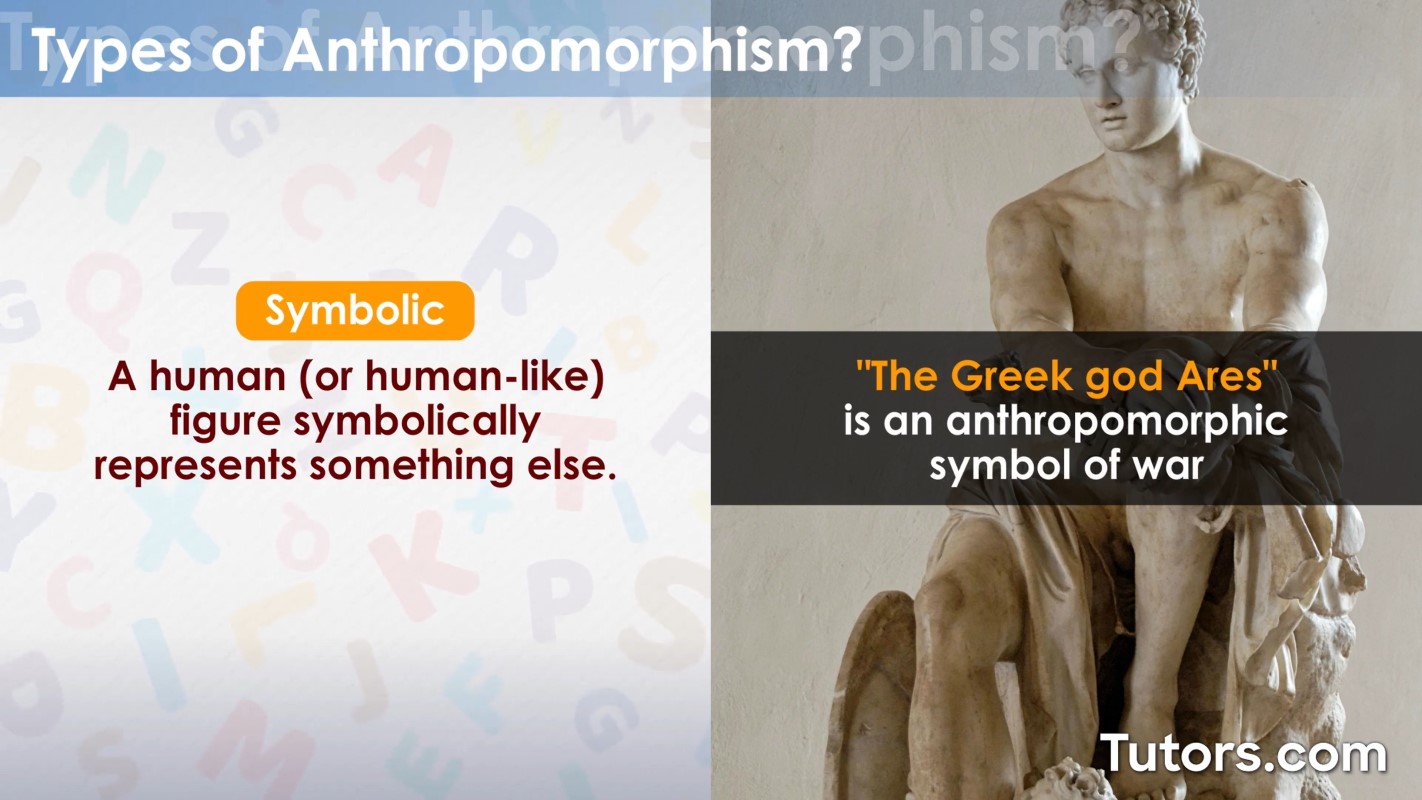
To dissect this topic, we must first explore the origins of anthropomorphism. Throughout history, cultures have imbued animals with human-like qualities, often resulting in iconic figures such as Aesop’s Fables or the beloved characters of Disney. These representations foster a unique bond between humans and animals, underscoring our societal inclination to relate to other beings through a human lens. But as we turn our gaze to the future, could advancements in science and technology blur the lines between fiction and reality?
One of the foremost avenues to consider is genetic engineering. The rapid evolution of CRISPR technology has revolutionized our approach to genetics, allowing us to rewrite the code of life with unprecedented precision. Imagine a world where scientists could enhance specific traits in animals, bestowing them with heightened intelligence or even the ability to communicate effectively. What if, through genome editing, we could transform the humble canine into a creature capable of not only understanding complex human emotions but also expressing them in an articulate, relatable manner? This scenario, while currently restricted to the realm of fiction, raises profound ethical questions.
Should we proceed with genetic modifications that enable animals to adopt human-like characteristics? The moral quandaries are staggering. On one hand, we possess the capability to nurture more profound interspecies relationships, potentially resulting in heightened empathy and understanding. On the other, we risk commodifying life itself, creating a scenario in which sentient beings could be engineered for entertainment or labor, echoing the warning tones of classic dystopian narratives.
Moreover, the implications of sentient animals stretch far beyond genetic manipulation. The exploration of artificial intelligence (AI) provides another fascinating path. The possibility of developing sophisticated AI systems that mimic consciousness and emotional understanding could blur the line between machine and organism. Envision a future where AI companions, designed to emulate the behaviors and emotional states of animals, engage with humans on a meaningful level. These advanced anthropomorphic creations might possess the ability to understand human social cues while exhibiting distinct personalities, inviting a new era of companionship that resonates with our instincts.
Yet, the challenge lies in deciphering the authenticity of such interactions. If an advanced AI mimics the emotional sincerity of a dog or a cat, do we view it as genuine companionship, or merely a simulation? The philosophical implications of “real” versus “artificial” emotions beckon us to engage deeper with what it means to connect, love, and empathize. The intricate dance of simulating sentience poses stimulating questions that spark robust debates about consciousness across disciplines—from philosophy to neuroscience.
Exploring these questions further requires an understanding of evolutionary biology. Some theorists posit that, due to the profound adaptability of species, it is conceivable that animals may evolve alongside humans into more intelligent forms. Through natural selection, traits advantageous for survival in a world increasingly dominated by humans could lead to radically transformed beings—intelligent animals that can communicate and operate within human societies. This evolution may not be as far-fetched as it seems; consider the rapid changes observed in species forced to adapt to urban environments, such as raccoons and crows.
In this evolutionary scenario, the societal structures we inhabit could morph as anthropomorphic animals come to occupy roles typically reserved for humans. Imagine a council where wise owls offer advice grounded in age-old instincts, or dolphins serving as ambassadors for aquatic ecosystems. The interactions among species would prompt profound shifts in both policy-making and cultural narratives, reshaping our moral compass as we navigate this new social terrain.
Nevertheless, the logistic challenges of coexistence must not be overlooked. Would humanity be prepared to share the planet—politically, economically, and socially—with species that possess elevated intelligence? Avenues of conflict may arise, as traditional human privileges could clash with the newly acquired rights of sentient animal citizens. The potential sociopolitical unrest stemming from such changes could ignite fervent discussions around equality, and the ethical treatment of all living beings.
As the discourse unfolds, it is imperative to reflect on the role of science fiction itself in shaping our perceptions. While stories weave captivating tales of anthropomorphic animals forging alliances with humans, they also hold a mirror to our ethical dilemmas. Science fiction invites us to ponder the profound questions about who we are as a species and what the future may hold. The complexities embedded in the relationships we have with animals compel us to acknowledge our responsibility as caretakers of the planet.
In conclusion, the tantalizing notion of anthropomorphic animals existing in the future oscillates between the whimsical allure of science fiction and the sobering potential of reality. Genetic engineering, AI advancements, evolutionary biology, and the ever-present ethical quandaries render this topic both daunting and exhilarating. As we stand at the precipice of a new epoch, the treasures of imaginative inquiry give rise to challenges that are not merely for science fiction to explore, but for humanity to confront. What defines our coexistence on this planet—our capability to empathize, our choices as stewards, or the very essence of what it means to be sentient? The adventure is just beginning, and perhaps, one day, we will encounter anthropomorphic companions transformed from mere fiction into profound realities.