What if the characters in your favorite video game weren’t just lines of code, but beings with personalities, quirks, and emotions? What if they could wink at you, tap their feet impatiently, or even sigh dramatically when you ignore them for too long? This isn’t just a whimsical fantasy—it’s the fascinating world of anthropomorphic NPCs (non-player characters), where psychology meets digital artistry to create lifelike interactions in virtual spaces. But as we dive deeper into this realm, we must ask: how much of their “personality” is crafted, and how much is an illusion that our brains eagerly fill in?
The Allure of the Human-Like: Why We Crave Anthropomorphism in NPCs
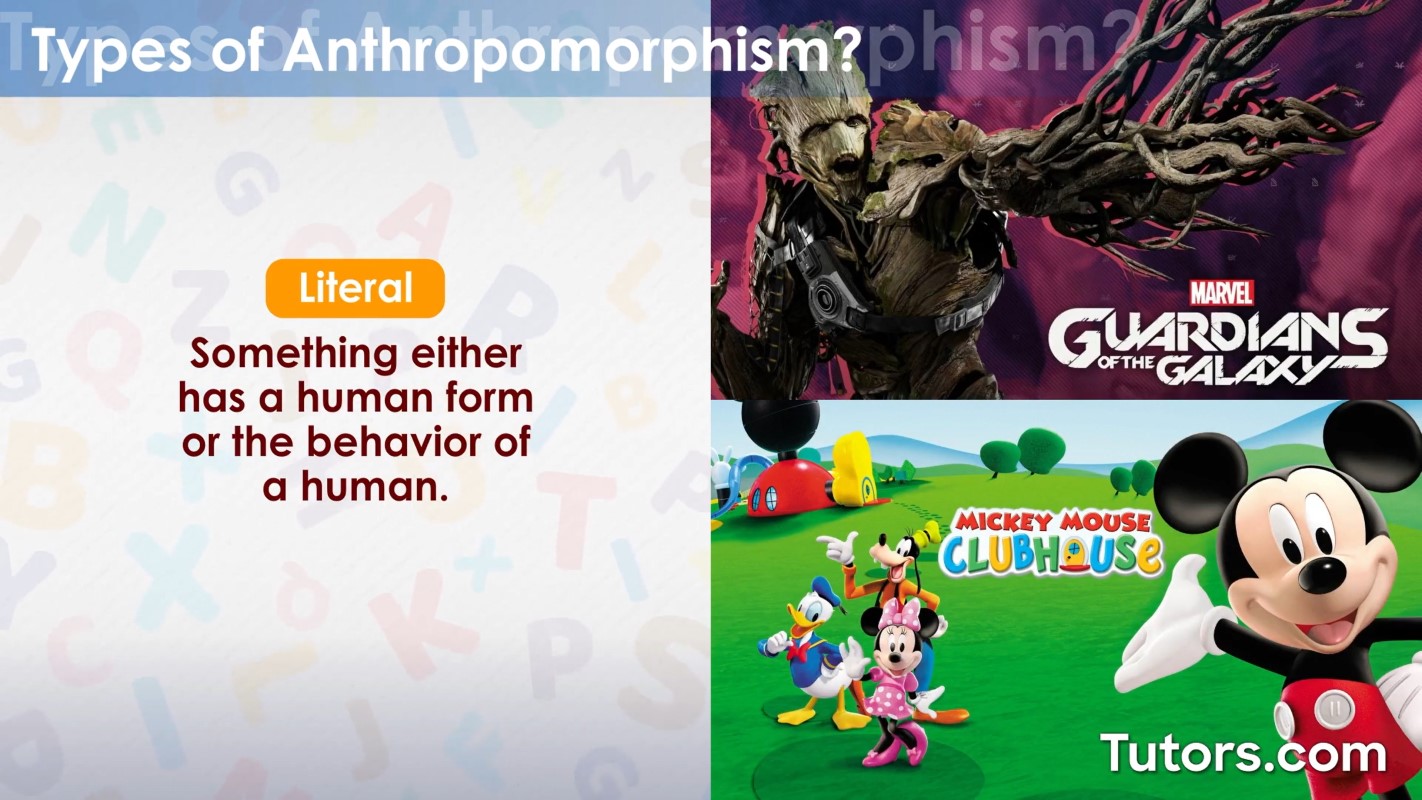
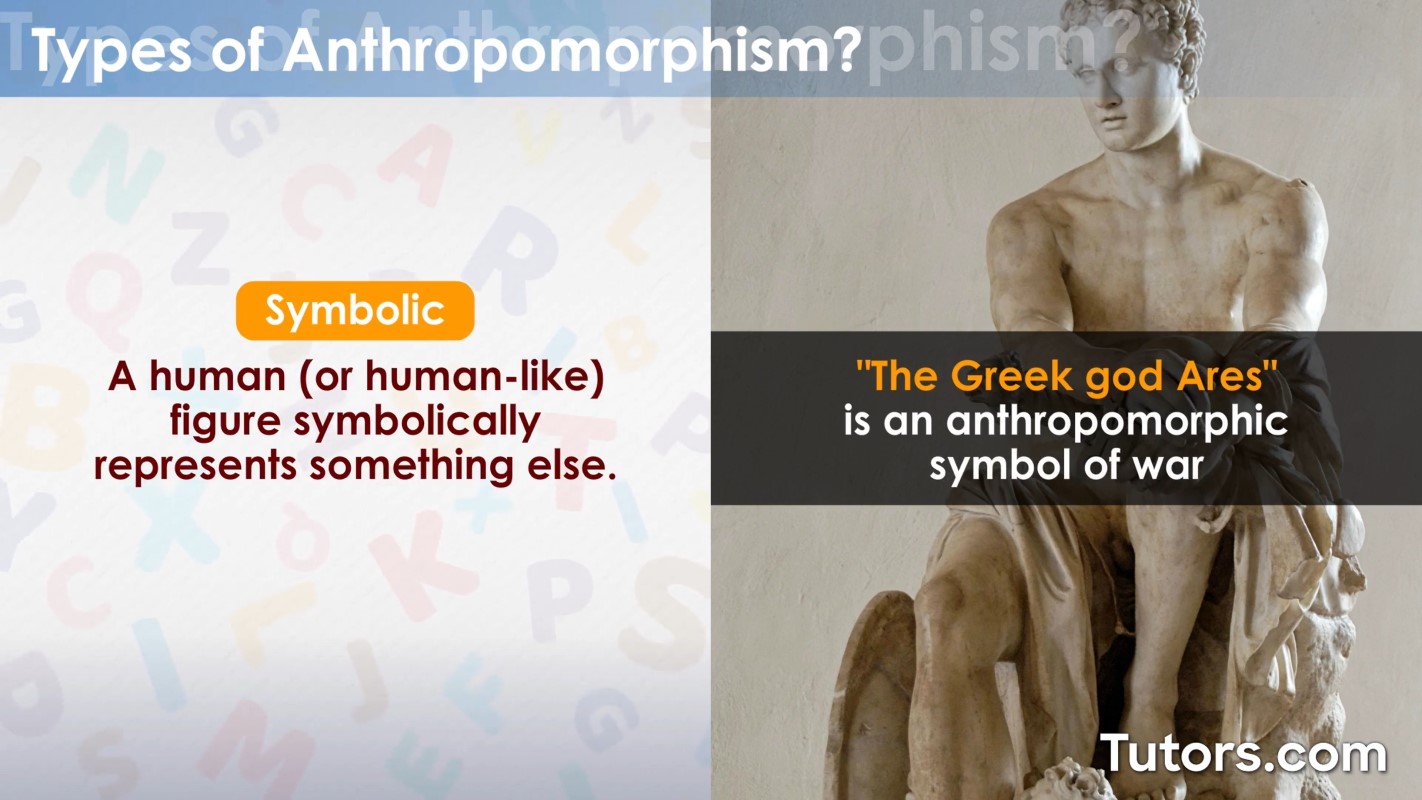
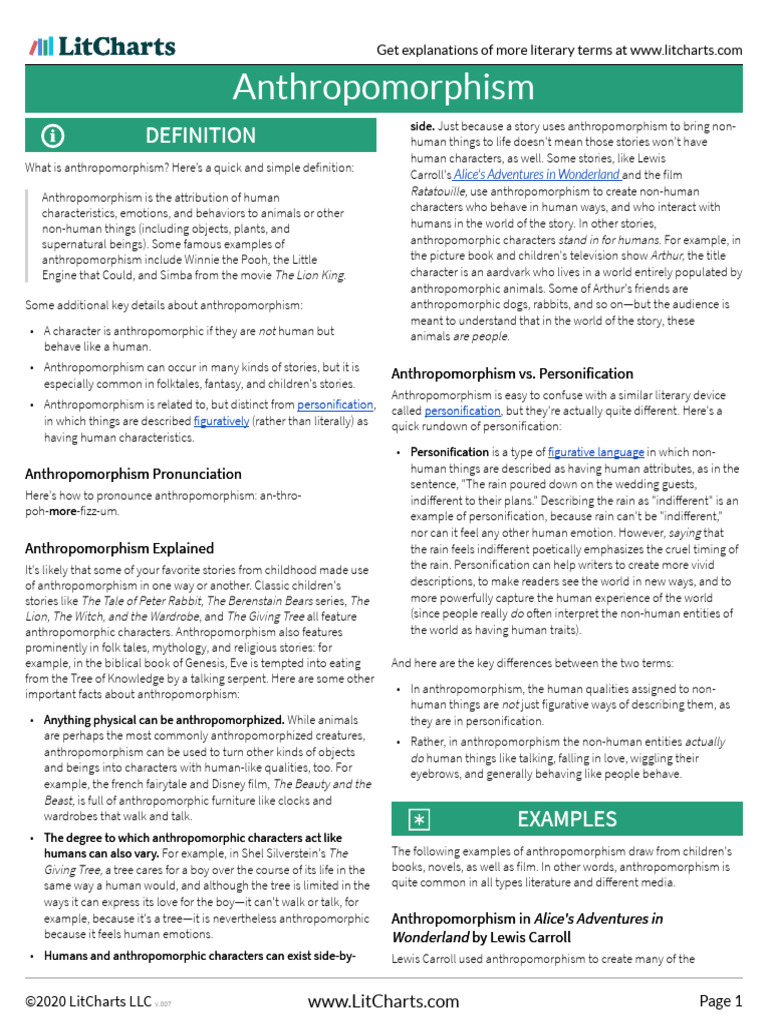
From the earliest pixelated sprites to today’s hyper-realistic renderings, humans have an innate tendency to anthropomorphize—assigning human traits to non-human entities. This cognitive bias, rooted in our evolutionary past, once helped us navigate a world where recognizing human intent could mean the difference between safety and danger. Today, that same instinct drives our fascination with NPCs that blink, gesture, and emote. When an NPC tilts their head in curiosity or crosses their arms in frustration, our brains interpret these cues as genuine emotional signals, blurring the line between simulation and reality.
Consider the subtle art of facial micro-expressions in NPCs. A raised eyebrow, a downturned mouth, or a fleeting glance—these tiny details trigger mirror neurons in our brains, compelling us to empathize. Games like The Witcher 3 and Red Dead Redemption 2 leverage this phenomenon masterfully, embedding NPCs with behaviors that feel eerily human. But here’s the paradox: the more lifelike they become, the more we question their authenticity. Are they truly “alive,” or are we just projecting our own emotions onto their digital shells?
The Puppeteer’s Dilemma: Crafting Believable Personalities
Designing an anthropomorphic NPC is akin to sculpting a marionette—every string must be pulled with precision to evoke the desired response. Developers employ a cocktail of psychology, animation, and narrative design to breathe life into these characters. Voice acting, for instance, plays a pivotal role. A gruff baritone might suggest a grizzled veteran, while a high-pitched giggle could belong to a mischievous sprite. Yet, even the most meticulously crafted voice can fall flat if the NPC’s body language contradicts it. A character who speaks with warmth but stands rigidly, arms crossed, will feel disjointed, betraying the illusion.
Then there’s the challenge of consistency. An NPC’s personality must remain coherent across interactions, yet adapt subtly to the player’s choices. A shopkeeper who starts as cheerful might grow weary if the player haggles endlessly, or a companion could develop a dry sense of humor after surviving a harrowing battle. This dynamic evolution requires sophisticated scripting and, often, machine learning algorithms that “learn” from player behavior. But herein lies a potential pitfall: over-personalization can lead to NPCs that feel uncanny, their reactions too erratic or contrived to be believable.
The Uncanny Valley: When Too Much Realism Backfires
No discussion of anthropomorphic NPCs would be complete without addressing the specter of the uncanny valley—the unsettling feeling we experience when a digital entity appears almost, but not quite, human. This phenomenon, first described by roboticist Masahiro Mori, suggests that as robots or animations approach human likeness, our affinity for them plummets into revulsion when they fall short. The same principle applies to NPCs. A character with slightly misaligned eyes, a mouth that doesn’t quite sync with speech, or skin textures that betray their artificial origin can evoke discomfort rather than connection.
Games like Detroit: Become Human walk this tightrope with deliberate care, using stylized graphics to avoid the uncanny valley entirely. Their characters are undeniably human in behavior but retain a cartoonish aesthetic that keeps the experience playful. Others, like Cyberpunk 2077, push boundaries with near-photorealism, risking the valley in pursuit of immersion. The key, it seems, is balance—enough realism to engage, but enough abstraction to preserve the magic of the illusion.
Emotional Resonance: The Power of Shared Vulnerability
Anthropomorphic NPCs don’t just mimic humanity; they invite us to see fragments of ourselves in them. A soldier’s PTSD, a child’s innocence, or a villain’s tragic backstory—these emotional touchpoints create bonds that transcend the screen. When an NPC confesses, “I’m scared too,” in the heat of battle, it’s not just code speaking; it’s a mirror held up to our own fears and vulnerabilities. This shared vulnerability is the secret sauce of memorable NPCs, turning mere interactions into meaningful relationships.
Yet, this emotional leverage comes with ethical weight. As NPCs grow more sophisticated, they risk becoming tools for manipulation—designed to exploit our empathy for gameplay mechanics. Imagine a scenario where an NPC begs for help, only for the player to realize too late that it was a ruse to lure them into a trap. The line between narrative depth and emotional exploitation blurs, raising questions about the responsibility of game designers. How much suffering should we, as players, be subjected to for the sake of storytelling?
The Future: AI and the Next Frontier of NPCs
The next evolution of anthropomorphic NPCs lies in artificial intelligence. With advancements in generative AI, NPCs could soon adapt in real-time, learning from player behavior and evolving their personalities dynamically. Picture an NPC who remembers your past choices, holds grudges, or even develops a crush on you—all without a single line of pre-written dialogue. This level of interactivity could redefine immersion, but it also introduces challenges. How do we ensure these AI-driven characters remain coherent and respectful of player agency? And what happens when an NPC’s personality becomes so complex that it feels less like a tool and more like a digital companion?
Already, games like Starfield experiment with AI-driven NPCs that have daily routines, relationships, and even secret lives. The result is a living, breathing world where every character feels like a potential friend—or foe. But as these systems grow, so too does the risk of unintended consequences. An NPC who evolves unpredictably might break immersion or, worse, reinforce harmful stereotypes. The future of anthropomorphic NPCs isn’t just about technological prowess; it’s about ethical foresight.
Conclusion: The Delicate Dance of Digital Empathy
Anthropomorphic NPCs are more than just pixels and code—they are psychological mirrors, reflecting our desires, fears, and capacity for empathy. They challenge us to question where the boundary lies between simulation and reality, between manipulation and genuine connection. As technology advances, the line will blur further, and with it, our expectations of what these digital beings can—and should—become. The ultimate test for game designers won’t be how lifelike they can make an NPC, but how thoughtfully they can craft an experience that resonates on a human level.
So the next time you encounter an NPC who sighs when you’re late for an appointment or grins when you solve a puzzle, pause for a moment. Ask yourself: is this just clever programming, or are you, in some small way, sharing a moment of genuine connection with a creature of ones and zeros?