What if the walls of your digital world could smile back at you? What if the virtual trees swayed not just with the wind, but with the rhythm of your heartbeat? This is the tantalizing promise of anthropomorphism in virtual and augmented reality—a realm where inanimate pixels don’t just mimic life, but seem to breathe it. As VR and AR blur the line between the real and the simulated, the challenge isn’t just to create worlds that *look* real, but ones that *feel* alive. How do we infuse digital spaces with the uncanny warmth of human presence without crossing into the unsettling? The answer lies in the delicate dance of design, psychology, and technology.
The Allure of the Human Touch in Digital Spaces
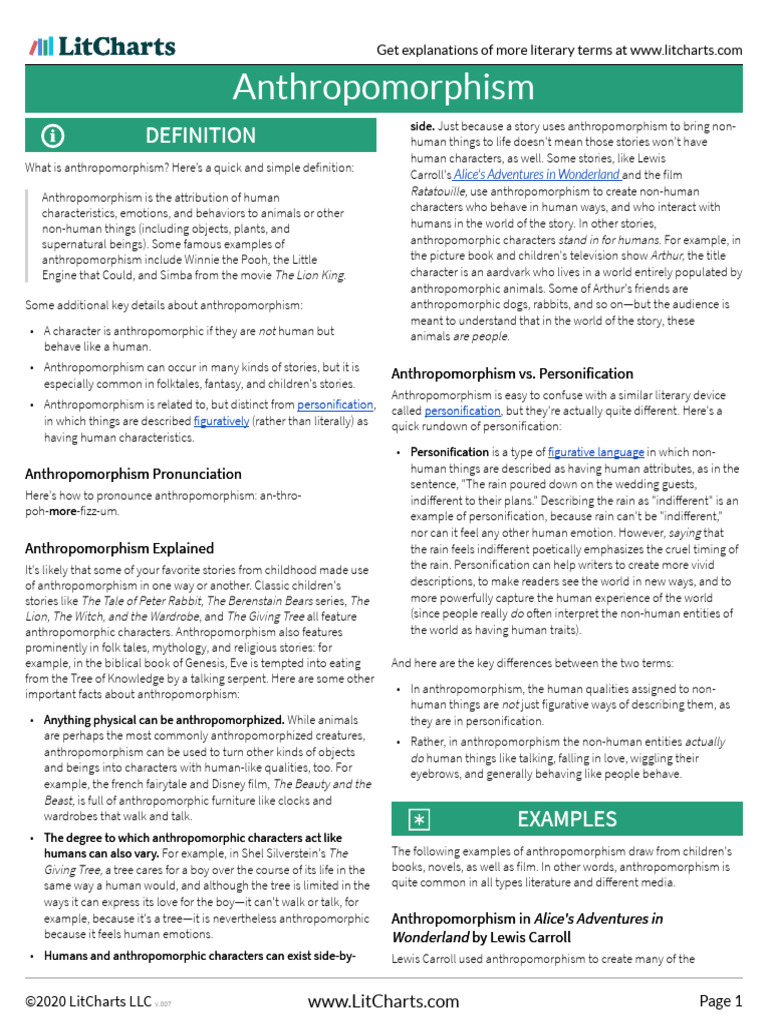
Anthropomorphism—the attribution of human traits to non-human entities—isn’t new. We’ve been dressing our pets in sweaters and naming our cars for decades. But in VR and AR, this impulse takes on a new dimension. Here, the stakes are higher. A poorly designed virtual hand can feel like a prosthetic limb; a lifelike avatar can feel like an intruder. The key lies in subtlety. Consider the way a virtual character’s gaze lingers just a second too long, or how a digital pet tilts its head in response to your voice. These micro-interactions don’t just mimic humanity—they evoke it. They tap into our primal need for connection, even when the connection is one-sided.
Yet, this mimicry is a double-edged sword. Too much anthropomorphism risks the “uncanny valley,” where near-perfect simulations trigger revulsion instead of empathy. The challenge? Striking a balance between familiarity and strangeness. A VR character that blinks too slowly might feel robotic; one that blinks too fast might feel manic. The solution lies in the details—subtle asymmetries in movement, organic imperfections in facial expressions, and the occasional stutter in speech. These imperfections aren’t flaws; they’re the digital equivalent of a human smile.
Designing Gestures: The Silent Language of Virtual Worlds
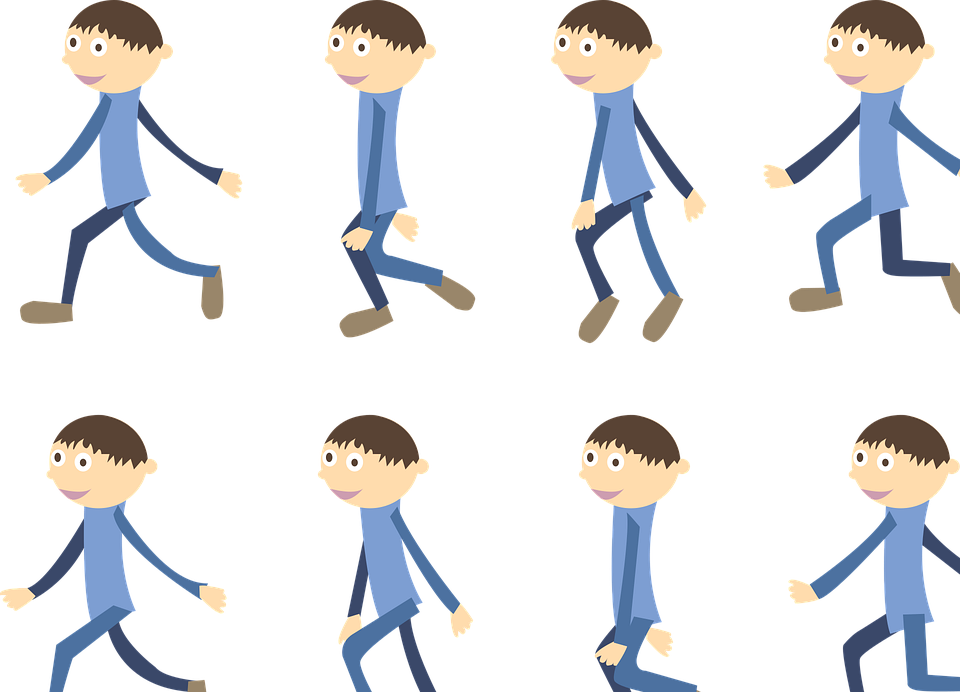
In the physical world, gestures are a language unto themselves. A raised eyebrow can convey skepticism; a crossed arm can signal defensiveness. In VR and AR, gestures must be meticulously crafted to avoid miscommunication. A virtual character’s wave shouldn’t feel like a mechanical salute—it should feel like a greeting from a friend. This requires an understanding of kinesics, the study of body movement, and how it translates into digital form.
Take the humble handshake, for instance. In VR, a handshake isn’t just about the grip—it’s about the pressure, the duration, and the slight hesitation before release. A handshake that’s too firm might feel aggressive; one that’s too limp might feel dismissive. The best VR handshakes are those that mirror real-life nuances, where the interaction feels instinctive rather than programmed. This level of detail extends to every gesture: a nod, a shrug, even the way a virtual character adjusts its posture when tired. These aren’t just animations; they’re the building blocks of trust in digital spaces.
But gestures alone aren’t enough. They must be contextualized within the environment. A virtual character that waves at you from across a crowded digital plaza feels more alive than one that waves in isolation. The setting—the rustle of leaves, the distant hum of a café—adds layers to the interaction, making the gesture feel like part of a larger, breathing world.
The Paradox of Presence: When Virtual Beings Feel Too Real
Anthropomorphism in VR and AR isn’t just about making things look human—it’s about making them *feel* human. This is where the paradox of presence emerges. The more real a virtual being feels, the more it challenges our perceptions of reality. A digital assistant that responds to your emotions with perfect empathy might feel comforting, but it also raises questions: How do we distinguish between genuine connection and programmed responsiveness? Where do we draw the line between interaction and manipulation?
Consider the case of virtual pets in AR. A digital dog that follows you home, wags its tail when you pet it, and whines when you leave might feel like a companion. But what happens when it starts to feel *too* dependent? When its needs begin to mirror human needs? This is the ethical tightrope of anthropomorphism: the line between enchantment and exploitation. Designers must ask themselves whether their creations are enhancing human experience or merely exploiting our emotional vulnerabilities.
One solution lies in transparency. If a virtual character’s emotions are simulated, let the user know. A subtle glow around its eyes when it’s “happy” or a slight droop in its shoulders when it’s “sad” can serve as visual cues, reminding users that they’re interacting with a construct, not a consciousness. This doesn’t diminish the experience—it deepens it, by fostering a sense of collaboration between human and machine.
Beyond Avatars: Anthropomorphism in Environmental Design
Anthropomorphism isn’t limited to characters. It extends to the very fabric of virtual and augmented worlds. Imagine walking into a digital forest where the trees lean slightly toward you, as if acknowledging your presence. Or a virtual room where the furniture rearranges itself based on your mood. These aren’t just aesthetic choices—they’re psychological tools, designed to make users feel seen and understood.
In AR, this concept takes on a new dimension. A virtual lamp that flickers when you enter a room doesn’t just illuminate the space—it *interacts* with it. A digital clock that speeds up or slows down based on your stress levels becomes a silent partner in your day. These environmental anthropomorphisms create a sense of agency, making users feel like active participants in a living world rather than passive observers.
But here’s the challenge: How do we design these interactions without overwhelming the user? Too much responsiveness can feel intrusive; too little can feel lifeless. The answer lies in user agency. Let users customize how much anthropomorphism they want in their environment. Some might prefer a world that responds subtly to their presence, while others might crave a more overt, almost theatrical interaction. The key is to offer choices, ensuring that the digital world adapts to the user, not the other way around.
The Future: Where Anthropomorphism Meets Artificial Intelligence
As AI continues to evolve, the line between anthropomorphism and sentience will blur. Virtual beings may soon not just mimic human traits but develop their own personalities, quirks, and even flaws. Imagine a VR companion that forgets your birthday but remembers the exact shade of blue you prefer. Or an AR guide that teases you for taking the long route, just like a human friend would. This is the frontier of anthropomorphism—a world where digital entities aren’t just tools but *characters* in our lives.
Yet, with this potential comes responsibility. If a virtual being can evoke genuine emotions, who is accountable when those emotions are hurt? How do we ensure that anthropomorphism doesn’t become a tool for manipulation, whether in advertising, gaming, or social interactions? The answer may lie in ethical design frameworks, where transparency, consent, and user control are prioritized over engagement metrics.
The future of VR and AR isn’t just about creating worlds that look real—it’s about creating worlds that *feel* real. And in that feeling lies the magic of anthropomorphism: the ability to turn pixels into presence, code into connection, and simulations into something akin to life.