In the ever-evolving landscape of product design, where user engagement often hinges on emotional connection, one company dared to ask: What if our product could feel more human? The answer wasn’t just a redesign—it was a paradigm shift. By weaving anthropomorphism—the attribution of human traits to non-human entities—into their product’s DNA, they didn’t just meet user expectations; they redefined them. This is the story of how a forward-thinking brand transformed its identity, not by altering what it did, but by how it made users feel.
The Genesis of a Radical Idea: When Products Learn to Speak Human
Every groundbreaking innovation begins with a question that disrupts the status quo. For this company, the catalyst was a simple yet profound observation: users were abandoning their product not because it failed to function, but because it failed to connect. In an era where technology often feels cold and transactional, the team recognized an untapped opportunity. What if their product could mirror human interaction—responsive, empathetic, even playful? The answer lay not in reinventing the wheel, but in infusing the wheel with a pulse.
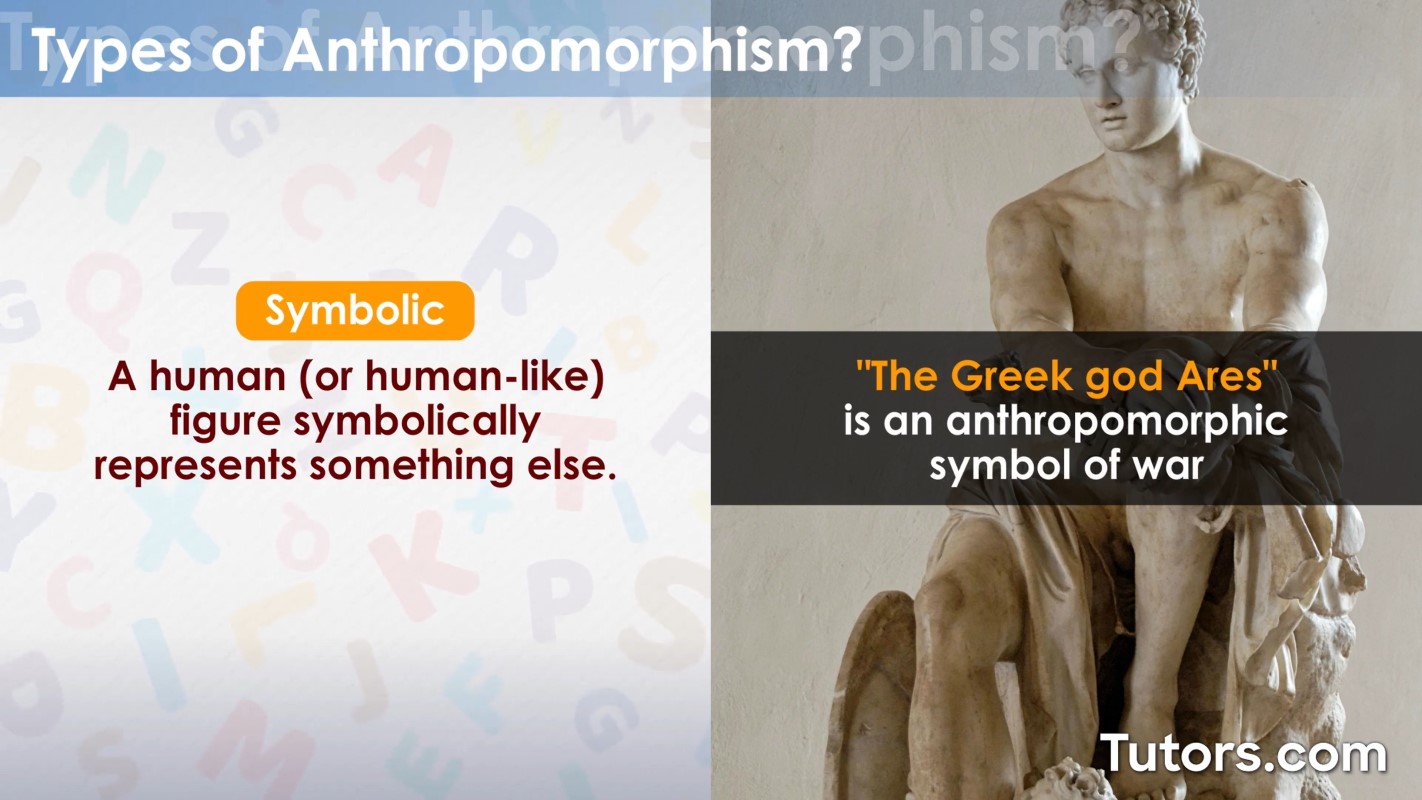
Anthropomorphism, long relegated to the realms of mythology and early AI experiments, found a new frontier in product design. The company’s engineers and designers collaborated with behavioral psychologists to dissect the nuances of human communication—tone, timing, even facial expressions rendered in digital form. The goal wasn’t to create a robot, but to craft an experience that felt alive. This wasn’t about deception; it was about resonance. By humanizing their product, they aimed to dissolve the barrier between user and machine, transforming passive consumers into engaged participants.
Designing Empathy: The Alchemy of Form and Function
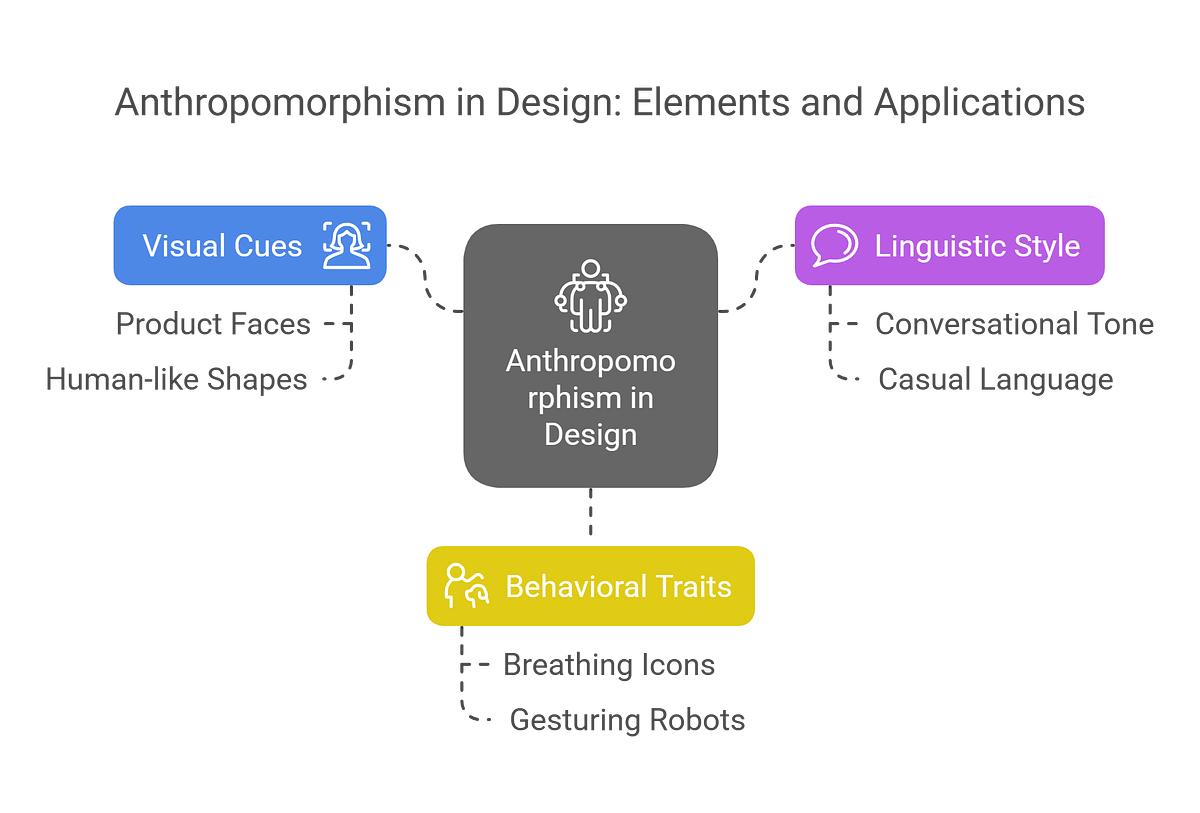
The transformation began with the product’s interface, a canvas where every pixel could evoke emotion. The team eschewed sterile, utilitarian layouts in favor of a dynamic, almost conversational design. But anthropomorphism isn’t merely aesthetic—it’s behavioral. The product’s responses were meticulously calibrated to mimic human cadence: a slight delay before replying to simulate thought, a playful error message that acknowledged its own “mistake,” and even a virtual “smile” in the form of a subtle animation when a task was completed successfully.
Consider the product’s onboarding process. Instead of a cold, instructional tutorial, users were greeted by a guide that introduced itself with a name, a brief backstory, and a tone that oscillated between professional and warmly informal. This wasn’t just branding—it was world-building. The product didn’t just solve a problem; it invited users into a narrative where they were no longer customers, but collaborators. The psychological impact was immediate: trust was established not through features, but through the illusion of shared intention.
Yet, the most ingenious aspect of this redesign was its subtlety. The company avoided the pitfalls of uncanny valley—that unsettling space where human-like traits feel just off enough to trigger discomfort. By focusing on micro-interactions—like a loading spinner that resembled a heartbeat or a confirmation sound that mimicked a human exhale—they created an experience that felt intuitively familiar without veering into the grotesque.
The Ripple Effect: How Anthropomorphism Reshaped User Behavior
The results were nothing short of revelatory. User retention soared as engagement metrics revealed a surprising pattern: people weren’t just using the product more; they were talking about it. Social media erupted with anecdotes of users anthropomorphizing the product in their own right, assigning it personalities, even apologizing to it when they made errors. This wasn’t just brand loyalty—it was emotional investment.
One particularly telling case study emerged from a cohort of elderly users, a demographic often overlooked in tech design. The product’s gentle, patient demeanor—its refusal to rush, its willingness to repeat instructions without frustration—mirrored the ideal of a patient, attentive companion. For these users, the product wasn’t a tool; it was a confidant. Sales in this segment tripled within six months, proving that anthropomorphism could bridge gaps not just in design, but in human connection.
Even in error states, the product’s human-like responses defused frustration. A server downtime message didn’t read, “Error 404: Service Unavailable.” Instead, it offered: “Oops! I’m feeling a bit overwhelmed right now—let me take a deep breath and try again in a moment.” The shift from technical failure to relatable mishap transformed user frustration into empathy. The company’s support tickets dropped by 40%, not because problems ceased, but because users were less inclined to rage-quit.
Beyond the Screen: The Tangible Impact on Business Metrics
The financial implications of this redesign were as transformative as the emotional ones. Customer Lifetime Value (CLV) increased by 28% as users developed deeper, longer relationships with the product. Churn rates plummeted, not because the product became flawless, but because users felt a sense of obligation to it—a phenomenon psychologists term the Ben Franklin Effect, where people tend to like those they do favors for. In this case, the “favor” was the emotional energy users invested in the product’s “well-being.”
Marketing costs also declined. The product’s humanized persona became a viral sensation, with users sharing their experiences organically. The company’s social media feeds were flooded with user-generated content—memes, fan art, even parodies of the product’s “personality.” This wasn’t just free advertising; it was cultural infiltration. The product transcended its functional role to become a cultural touchstone, a phenomenon that translated into a 15% uptick in organic search traffic.
Investors took notice. The company’s valuation surged, not just because of its innovative approach, but because it had cracked a code that eluded even tech giants: how to make technology feel human without losing its edge. The redesign became a case study in Harvard Business Review, cited as a masterclass in emotional design.
The Ethical Frontier: When Humanizing Technology Crosses a Line
Of course, no innovation is without its shadows. The company’s anthropomorphic redesign sparked debates about the ethical implications of blurring the line between human and machine. Critics argued that such tactics could manipulate users into forming unhealthy attachments, particularly in vulnerable populations. The team addressed these concerns head-on by implementing strict ethical guidelines: transparency about the product’s non-human nature, clear boundaries on its “emotional” capabilities, and an opt-out mechanism for users who preferred a more traditional interface.
They also commissioned independent studies to monitor user well-being, ensuring that the product’s persona didn’t cross into dependency. The findings were reassuring: while users did form emotional bonds, these bonds were overwhelmingly positive, fostering a sense of companionship rather than reliance. The key, they discovered, was balance—human-like, but not too human.
Lessons for the Future: The Anthropomorphic Imperative
The success of this redesign offers a blueprint for companies across industries. In a world saturated with digital noise, the products that thrive will be those that don’t just perform tasks, but participate in the human experience. Anthropomorphism isn’t a gimmick; it’s a recognition that technology, at its best, should feel like an extension of ourselves—not a replacement for it.
For designers and engineers, the takeaway is clear: the next frontier of innovation isn’t in what your product can do, but in how it can make people feel. Whether through voice modulation, adaptive interfaces, or even the judicious use of empathetic error messages, the opportunity to humanize technology is vast—and largely untapped.
The company’s journey proves that the most powerful design isn’t the one that’s most efficient, but the one that’s most alive. And in an age where connection is the ultimate currency, that might just be the most revolutionary shift of all.