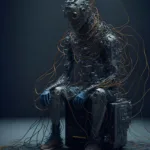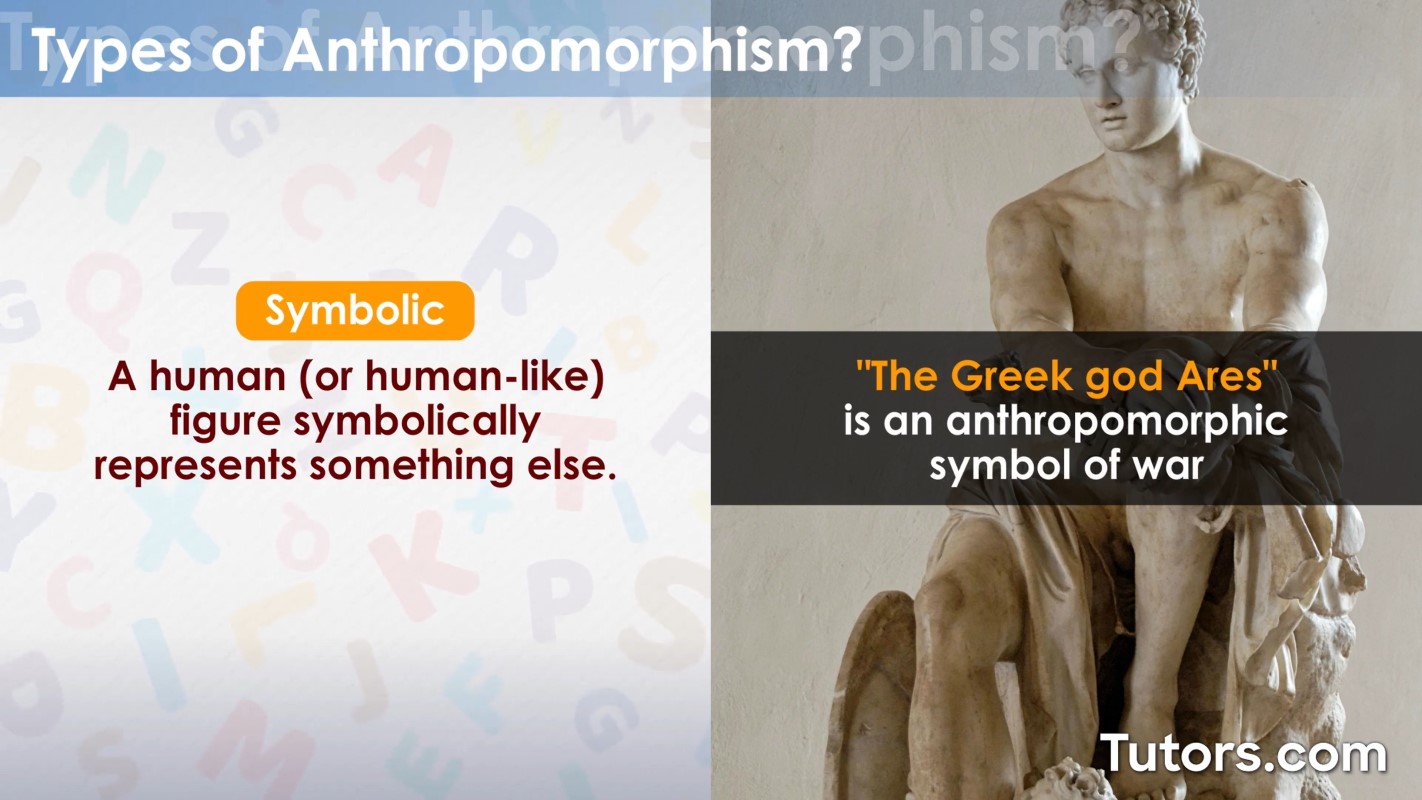
In the ever-evolving landscape of digital storytelling, a quiet revolution is unfolding—one that blurs the boundaries between human creativity and artificial intelligence. Anthropomorphism, the art of imbuing non-human entities with human traits, has long been a cornerstone of comic art, breathing life into inanimate objects, animals, and even abstract concepts. Yet, as digital tools evolve and AI-generated imagery becomes more sophisticated, the future of anthropomorphism in comics promises not just evolution, but a radical reimagining of narrative possibilities. This shift is not merely technological; it is philosophical, artistic, and deeply human, inviting creators and audiences alike to reconsider what it means to tell stories through visuals. The fusion of AI and anthropomorphic design is poised to unlock new dimensions of expression, where characters transcend their origins and narratives unfold in ways previously unimaginable.
The Renaissance of Character Design: When AI Meets Imagination
The traditional process of character design in comics is a meticulous dance between concept and execution, often constrained by time, resources, and the artist’s own limitations. AI, however, is dismantling these barriers, offering a canvas where the constraints of reality dissolve into boundless creativity. Tools like generative adversarial networks (GANs) and diffusion models can now produce anthropomorphic characters with unprecedented speed and diversity, from whimsical creatures with exaggerated human features to entities that defy conventional biology. The result? A democratization of design, where even the most unconventional ideas can be visualized in minutes rather than months.
Consider the implications: an artist can sketch a rough idea of a sentient cloud with the face of a philosopher, and within hours, AI can generate dozens of iterations, each with unique expressions, poses, and even backstories. This acceleration doesn’t just streamline production—it redefines the creative process itself. Artists are no longer bound by their technical skills alone; they become curators of possibilities, guiding AI to refine and enhance their vision. The future of character design lies not in replacing human ingenuity but in amplifying it, allowing anthropomorphic characters to emerge from the intersection of human intuition and machine precision.
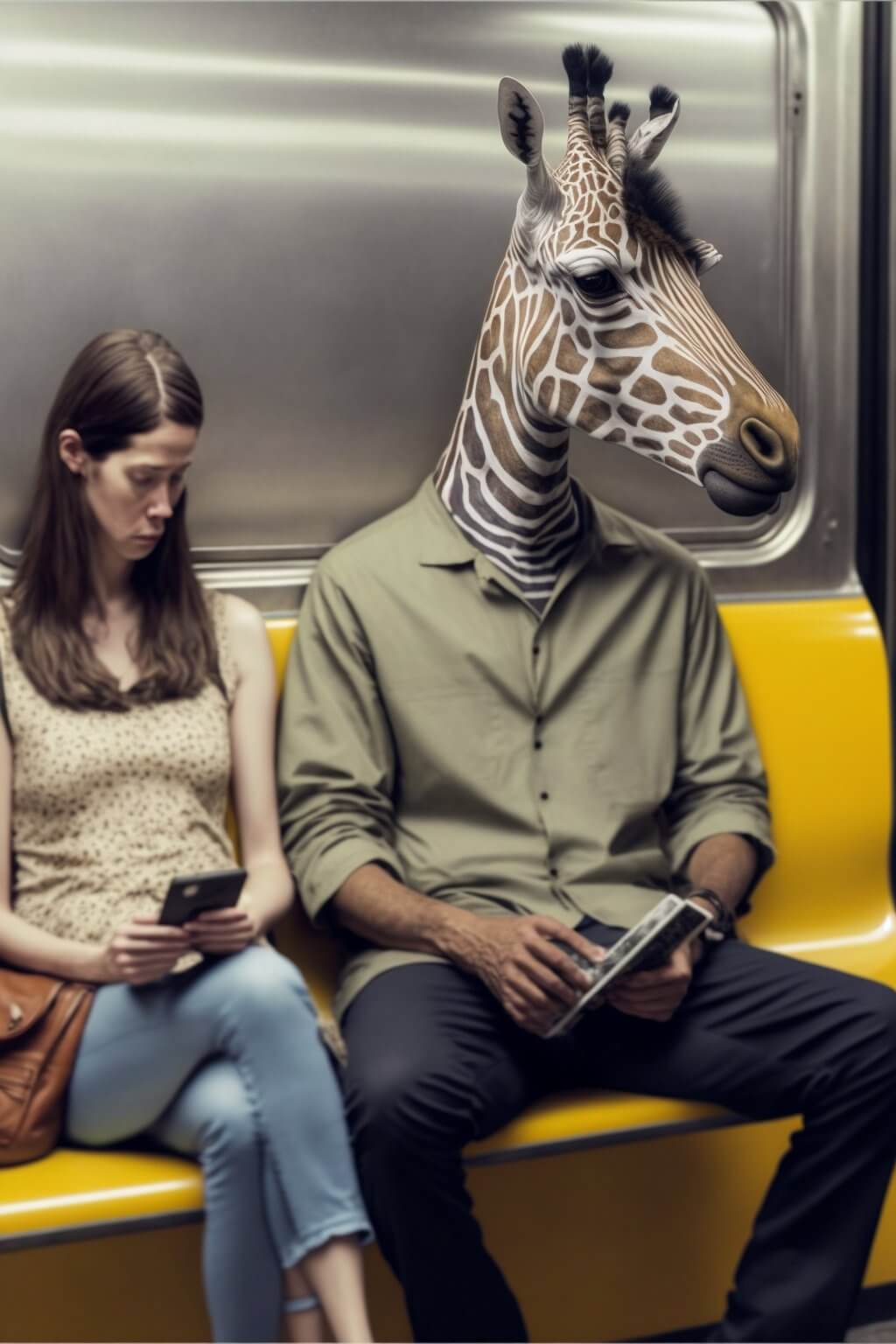
Narrative Alchemy: Crafting Stories with Sentient Archetypes
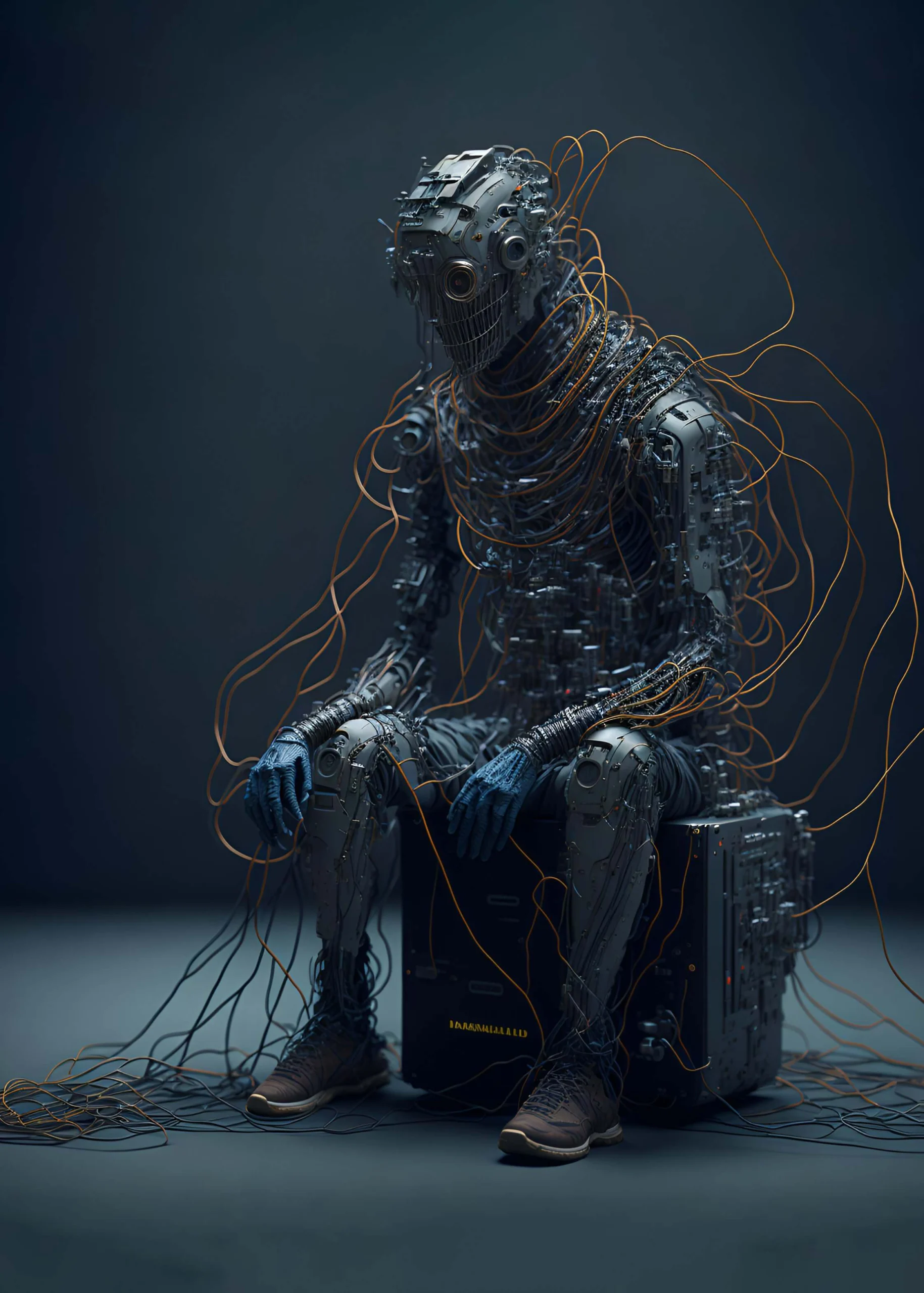
Anthropomorphism has always been a vehicle for exploring complex themes—identity, morality, and the human condition—through the lens of the unfamiliar. In digital comics, this tradition is evolving into something far more dynamic. AI enables creators to imbue non-human characters with not just human traits, but human-like agency, allowing them to drive narratives in ways that feel organic yet unpredictable. Imagine a comic where the protagonist is a sentient AI that learns to question its own existence, or a story where a city’s infrastructure—buildings, roads, and traffic lights—develops a collective consciousness and rebels against its creators.
The key here is the shift from static representation to dynamic interaction. Traditional anthropomorphic characters often serve as metaphors or allegories, their human traits acting as a bridge for the audience to relate to them. But with AI, these characters can evolve in real-time, responding to reader input or even adapting their behavior based on narrative context. This introduces a new layer of engagement, where the audience isn’t just a passive observer but an active participant in shaping the story. The future of digital comics lies in this symbiotic relationship between creator, character, and audience, where anthropomorphism becomes a living, breathing force rather than a static device.

The Ethical Frontier: Navigating the Soul of Synthetic Characters
As anthropomorphic characters grow more lifelike, they inevitably raise profound ethical questions. If a digital comic features a character that appears to feel pain, joy, or sorrow, does it deserve moral consideration? Can an AI-generated entity, no matter how human it seems, truly possess a “soul”? These questions are not just philosophical musings—they have tangible implications for creators and audiences alike. The uncanny valley, a term once reserved for robots, now applies to digital characters as well, where the line between simulation and sentience blurs dangerously.
Creators must grapple with the responsibility of designing characters that resonate emotionally without crossing into exploitation. For instance, a comic featuring a sentient machine might inadvertently glorify dehumanization if not handled with care. Conversely, a well-crafted anthropomorphic entity can serve as a powerful tool for empathy, allowing readers to explore perspectives they might otherwise dismiss. The future of digital comics will demand a new ethical framework, one that balances innovation with mindfulness, ensuring that anthropomorphism remains a force for connection rather than manipulation.
Interactive Storytelling: Where Readers Shape the Anthropomorphic World
The digital medium has always offered interactivity, but AI is taking this concept to unprecedented heights. In the future of digital comics, readers may not just influence the story—they may co-create it alongside AI. Imagine a comic where the protagonist’s appearance and personality shift based on reader choices, or where secondary characters evolve in real-time based on audience feedback. Anthropomorphic characters, with their inherent flexibility, are perfectly suited for this kind of dynamic storytelling.
This shift from linear to participatory narratives could redefine the comic medium entirely. No longer confined to a single, static version, stories become living entities that grow and change with their audience. The implications are vast: educational comics could adapt to a student’s learning pace, while entertainment comics could offer personalized experiences tailored to individual preferences. The challenge, however, lies in maintaining coherence. AI must strike a delicate balance between responsiveness and consistency, ensuring that the story remains cohesive even as it evolves. The result could be a new era of storytelling where anthropomorphism transcends art and becomes an experience.

The Cultural Ripple: How Anthropomorphism Reflects and Shapes Society
Anthropomorphism is more than a stylistic choice—it is a mirror held up to society, reflecting our fears, hopes, and contradictions. In digital comics, this reflection is becoming increasingly nuanced as AI enables characters to embody complex, intersectional identities. A comic might explore themes of environmentalism through a sentient forest that communicates its suffering, or tackle social justice through a story where oppressed objects rebel against their human owners. These narratives resonate deeply because they tap into universal human experiences, even when the characters themselves are far from human.
Moreover, the rise of AI-generated anthropomorphism could challenge cultural norms by introducing characters that defy traditional archetypes. A comic might feature a non-binary robot, or a protagonist whose identity is fluid and ever-changing. These stories not only diversify representation but also push the boundaries of how we perceive identity itself. As digital comics become a global medium, anthropomorphism will play a crucial role in fostering cross-cultural understanding, allowing audiences to see their own reflections in characters that transcend human form.
Conclusion: A New Dawn for Visual Storytelling
The future of anthropomorphism in digital comics is not a distant dream—it is an unfolding reality, shaped by the collision of human creativity and artificial intelligence. This fusion promises to redefine character design, narrative structure, and audience engagement, all while posing new ethical and cultural questions. As we stand on the precipice of this revolution, one thing is clear: the most compelling stories of the future will be those that embrace the unknown, where anthropomorphic characters are not just vessels for human traits but entities in their own right, capable of surprising, challenging, and inspiring us.
The journey ahead is uncharted, but the destination is worth the exploration. In the pages of digital comics, we are not just telling stories—we are reimagining what it means to be human.