What if the next great webcomic protagonist wasn’t human at all—but a sentient toaster with existential dread, or a grumpy cloud who just wants to nap? Anthropomorphism, the art of imbuing non-human entities with human traits, has surged as a defining feature of modern webcomics. It’s not merely a stylistic flourish; it’s a narrative catalyst that transforms the mundane into the extraordinary. By giving voice to the inanimate and personality to the abstract, creators unlock fresh avenues for storytelling that resonate deeply with audiences craving both whimsy and relatability. Yet, this creative freedom comes with its own set of challenges—how do you balance humor with heart when your main character is a sentient puddle of goo?
The Power of Personification: Breathing Life into the Inanimate
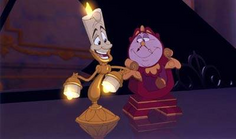
Anthropomorphism transcends mere visual mimicry. It’s a storytelling alchemy that turns a static object or abstract concept into a dynamic participant in a narrative. Consider a webcomic where a vintage radio becomes a wise old sage, dispensing advice between crackling tunes. Or a lonely streetlamp that develops a crush on the moon. These aren’t just characters—they’re emotional anchors. They allow creators to explore complex themes like loneliness, ambition, or love through the lens of the unfamiliar. The key lies in consistency: once a teapot starts speaking in iambic pentameter, it must never waver from its poetic cadence unless the story demands a deliberate shift. This consistency builds trust with the audience, turning the absurd into the believable.
Moreover, anthropomorphism fosters empathy in unexpected ways. When a reader laughs at a grumpy sock’s refusal to be paired, they’re also engaging with the universal frustration of mismatched laundry. The humor becomes a Trojan horse for deeper connection. Webcomics thrive on this duality—the ability to make us chuckle at a talking banana one moment and ponder the fragility of existence the next. It’s a delicate dance between levity and introspection, and anthropomorphism is the choreographer.

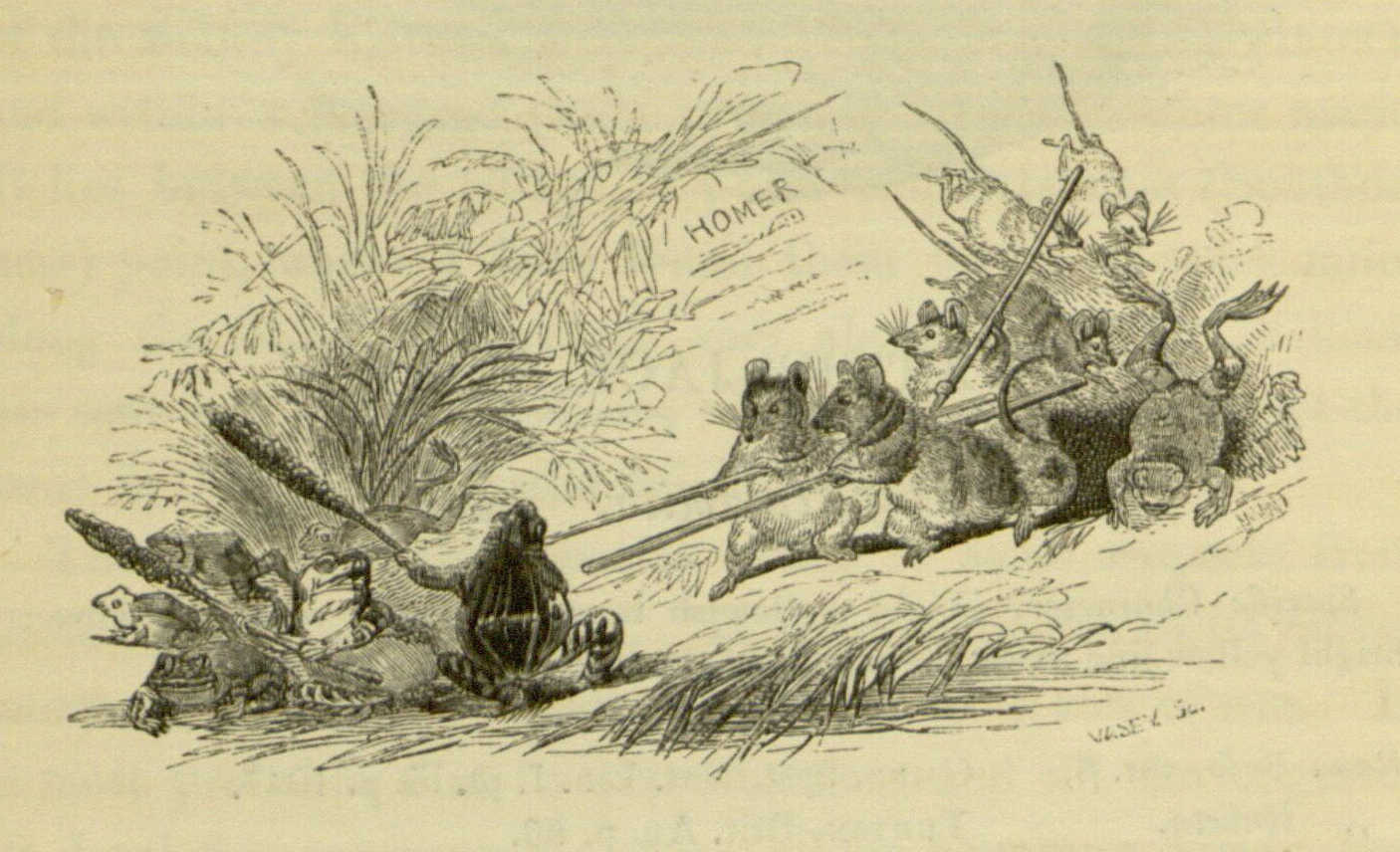
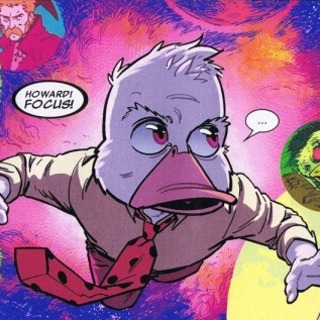
Anthropomorphic characters often blend human traits with their original forms, creating instantly recognizable yet imaginative designs.
Visual Storytelling: When Art Meets Anthropomorphic Identity
The visual design of anthropomorphic characters is where webcomics truly shine—or stumble. A poorly executed design can veer into uncanny valley territory, where the fusion of human and non-human elements feels jarring rather than charming. Successful webcomics strike a balance by exaggerating certain features to emphasize their non-human origins while grounding them in human-like proportions. Think of a fox with a bushy tail that doubles as a scarf, or a robot whose joints creak with the rhythm of a human spine. These details aren’t just aesthetic; they’re narrative shorthand. They tell the audience, “This character is like you, but not quite,” inviting curiosity without alienating the reader.
Color palettes and lighting also play a crucial role. A pastel-colored teacup might evoke warmth and comfort, while a jagged, metallic crow could symbolize isolation. The contrast between the character’s original form and their anthropomorphic traits can be used to foreshadow their arc. A once-proud sword, now rusted and slumped, might foretell a story of decline or redemption. Webcomic artists leverage these visual cues to guide the reader’s emotional journey, often without a single word being spoken.
The Narrative Advantage: Exploring Themes Through Unconventional Lenses
Anthropomorphism isn’t just about making things cute or funny—it’s a narrative scalpel that dissects complex themes with precision. A webcomic about a sentient black hole, for instance, could explore themes of consumption, identity, and the fear of the unknown. By personifying abstract concepts, creators can make intangible ideas tangible. A webcomic about a grieving cloud might personify rain as tears, offering a poetic metaphor for loss that resonates on a primal level. This approach democratizes heavy themes, making them accessible to a broader audience without diluting their depth.
It also allows for creative world-building. In a webcomic where animals run a bustling city, the hierarchy of species can reflect real-world power dynamics, or subvert them entirely. A webcomic about a library where books come to life might critique censorship or celebrate the power of knowledge, all while keeping the tone lighthearted. The flexibility of anthropomorphism means the only limit is the creator’s imagination—and perhaps their ability to resist over-explaining. Sometimes, the magic lies in the ambiguity: Is the talking umbrella a metaphor for shelter, or is it just a really chatty umbrella? The audience gets to decide.
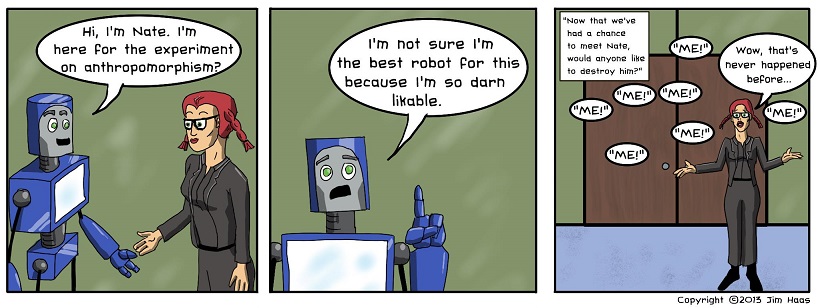
Robotic characters often use anthropomorphic traits to bridge the gap between machine and human, fostering relatability.
The Challenge of Consistency: Avoiding the Pitfalls of Over-Anthropomorphism
Yet, for all its strengths, anthropomorphism is a double-edged sword. The greatest challenge lies in maintaining consistency without falling into the trap of over-explaining. A character who starts as a grumpy toaster might lose their charm if they suddenly develop the emotional depth of a Shakespearean actor without narrative justification. The key is to establish rules early and adhere to them. If a character’s non-human traits influence their behavior—say, a snail’s slow movement dictates their patience—then the audience will accept these quirks as part of their identity.
Another pitfall is the risk of tonal whiplash. A webcomic that balances humor and pathos can be a masterpiece, but one that oscillates wildly between slapstick and tragedy without warning risks alienating its audience. The solution? A strong thematic core. Whether it’s the absurdity of existence or the search for belonging, a unifying thread helps anchor the story’s emotional beats. Think of it as the gravitational pull that keeps the narrative from spiraling into chaos.
Creators must also grapple with the ethical implications of anthropomorphism. When a character is based on a marginalized group—whether intentionally or not—it’s crucial to approach the subject with sensitivity. A webcomic about a “magical minority” species might inadvertently perpetuate stereotypes if not handled thoughtfully. The best anthropomorphic stories use their unique perspective to challenge norms rather than reinforce them.
Community and Collaboration: How Fans Shape Anthropomorphic Narratives
Anthropomorphism in webcomics isn’t a solo endeavor—it’s a dialogue between creator and audience. Fans often become co-creators, interpreting characters in ways the artist never intended. A webcomic about a sentient storm might inspire a fan to write a spin-off where the storm is a misunderstood artist. These interactions enrich the original work, turning static characters into living, breathing entities that evolve beyond the page. Platforms like Patreon and Discord have amplified this phenomenon, allowing creators to engage directly with their audience and refine their characters based on real-time feedback.
This collaboration also extends to fan art and cosplay, which further cements the characters’ place in popular culture. A well-designed anthropomorphic character can inspire a thousand interpretations, from cosplay to memes to fan fiction. The best webcomics embrace this organic growth, seeing their characters as shared cultural touchstones rather than proprietary assets. It’s a testament to the power of anthropomorphism: it doesn’t just tell a story—it invites the audience to live inside it.
The Future of Anthropomorphism in Webcomics: Where Do We Go From Here?
The future of anthropomorphism in webcomics is as boundless as the imagination. With advancements in AI and interactive storytelling, we might soon see webcomics where characters evolve based on reader choices, their anthropomorphic traits shifting in real-time. Imagine a webcomic where a character’s form changes depending on the reader’s emotional state, detected via biometric feedback. Or a series where the protagonist is a sentient AI, blurring the line between creator and creation. These innovations could redefine what it means to tell a story in the digital age.
Yet, amidst all this technological possibility, the core appeal of anthropomorphism remains unchanged: it’s about connection. Whether through a talking teapot or a grieving cloud, these characters remind us that humanity isn’t confined to skin and bone. It’s in the laughter of a robot, the tears of a storm, the stubbornness of a sock. As webcomics continue to push boundaries, anthropomorphism will remain a vital tool—one that turns the ordinary into the extraordinary and the familiar into the fantastical.